
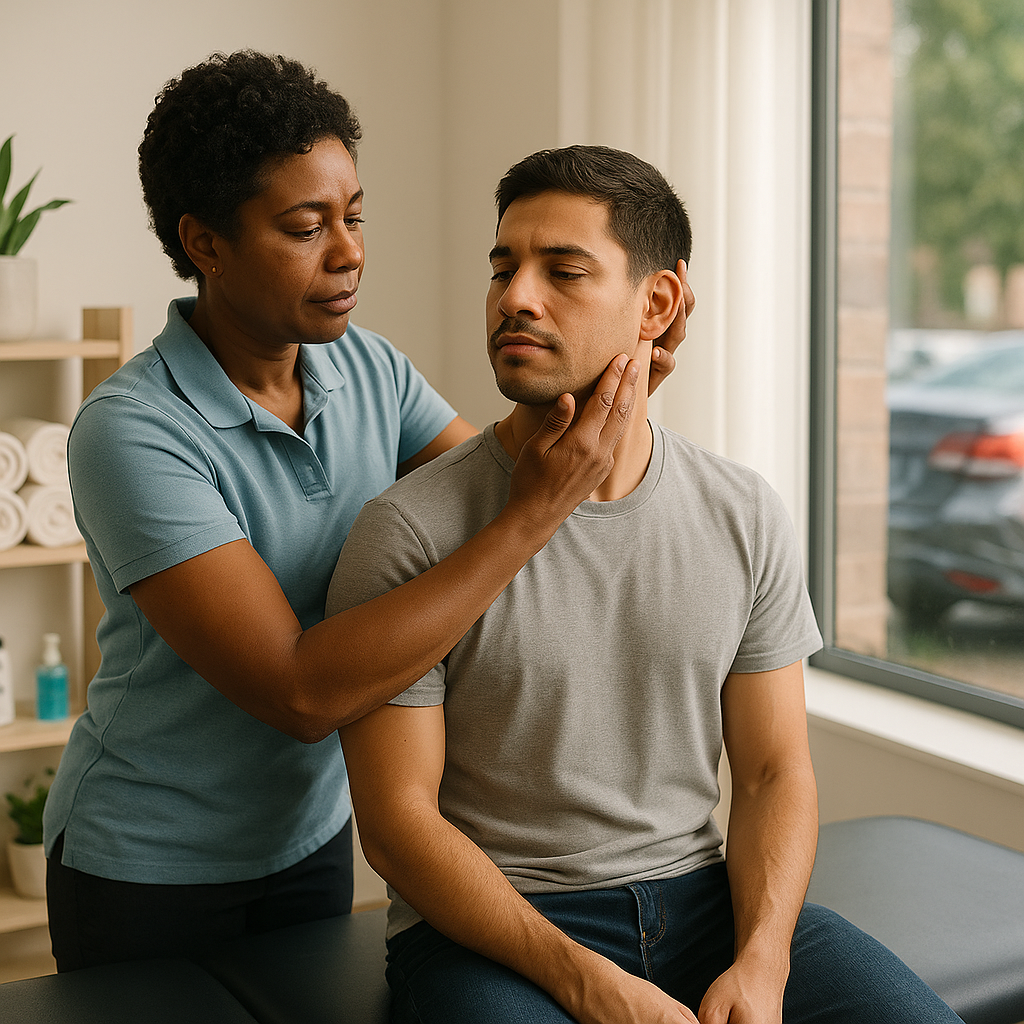
Understanding Chiropractic Care After a Car Accident
Being involved in a car accident can be one of the most physically and emotionally overwhelming experiences a person can face. Even when a collision appears minor, the forces exerted on the human body during impact can cause significant musculoskeletal damage that may not become immediately apparent. This is where a qualified car accident chiropractor plays an essential role in recovery. Chiropractic care offers a non-invasive, drug-free approach to treating the injuries that commonly result from vehicular collisions, helping patients restore function, reduce pain, and return to their daily lives.
Why Chiropractic Care Is Recommended After a Car Accident
Many accident victims make the mistake of assuming they are uninjured simply because they do not feel pain immediately after the event. However, adrenaline and inflammation can mask symptoms for hours or even days. Conditions such as whiplash, herniated discs, and soft tissue injuries often surface gradually, making early evaluation by a chiropractic professional critically important.
Auto accident chiropractic treatment is widely recommended by healthcare providers because it addresses the root cause of pain rather than simply masking symptoms with medication. Chiropractors are specifically trained to identify misalignments in the spine and musculoskeletal system that result from trauma, and they develop individualized treatment plans to restore proper alignment and function.
Common Injuries Treated by Car Accident Chiropractors
Understanding the types of injuries that chiropractic care effectively addresses can help accident victims make informed decisions about their healthcare. Some of the most frequently treated conditions through collision injury treatment include:
- Whiplash: A rapid back-and-forth motion of the neck that strains muscles, ligaments, and tendons. It is the most common injury sustained in rear-end collisions.
- Herniated or Bulging Discs: The force of a collision can cause spinal discs to shift out of position, compressing nearby nerves and causing pain, numbness, or tingling sensations.
- Spinal Misalignments (Subluxations): Trauma can knock vertebrae out of proper alignment, disrupting nervous system function and causing widespread pain.
- Soft Tissue Injuries: Muscles, tendons, and ligaments throughout the back, neck, and shoulders are particularly vulnerable during a collision.
- Facet Joint Injuries: The small joints that connect vertebrae can become inflamed or damaged, resulting in significant pain and restricted movement.
- Headaches and Migraines: Often secondary to neck and upper spine injuries, post-accident headaches are a common complaint among car accident victims.
What to Expect During Your First Chiropractic Visit After an Accident
If you are visiting a chiropractor for the first time following a vehicular collision, it is natural to wonder what the process involves. A thorough and professional chiropractic evaluation typically includes the following steps:
- Comprehensive Medical History Review: The chiropractor will gather detailed information about the accident, your current symptoms, pre-existing conditions, and overall health history.
- Physical and Neurological Examination: A hands-on assessment evaluates your range of motion, muscle strength, reflexes, and posture to identify areas of dysfunction.
- Diagnostic Imaging: In many cases, X-rays or MRI scans are ordered to gain a clearer picture of the injuries to your spine and surrounding structures.
- Individualized Treatment Plan: Based on the findings, the chiropractor will create a customized care plan that outlines the recommended therapies, frequency of visits, and expected recovery timeline.
Core Chiropractic Treatments Used After a Car Accident
Chiropractic medicine encompasses a wide range of techniques and therapies tailored to each patient’s unique condition. The most commonly employed methods in post-accident spine care include:
Spinal Manipulation and Adjustment
The cornerstone of chiropractic treatment, spinal manipulation involves the application of controlled, precise force to specific joints of the spine. This technique restores proper alignment, reduces nerve irritation, and improves mobility. It is particularly effective for whiplash-related cervical misalignments and lumbar injuries caused by collision trauma.
Flexion-Distraction Therapy
This gentle, non-thrusting technique is especially beneficial for patients suffering from herniated discs or spinal stenosis following an accident. The chiropractor uses a specialized table to gently stretch the spine, relieving disc pressure and improving flexibility without placing excessive strain on injured structures.
Soft Tissue Therapy
Techniques such as myofascial release, trigger point therapy, and massage therapy are incorporated to address muscle tightness, spasms, and scar tissue formation in the affected areas. These methods improve blood circulation, reduce inflammation, and promote faster healing of damaged soft tissues.
Therapeutic Ultrasound
Using sound wave technology, therapeutic ultrasound penetrates deep into muscle and connective tissue to generate gentle heat, which reduces inflammation, decreases muscle spasms, and accelerates tissue repair. It is a valuable adjunct to manual chiropractic adjustments.
Electrical Muscle Stimulation (EMS)
EMS therapy involves the application of low-level electrical currents to injured muscles and nerves. This treatment effectively reduces acute pain, decreases swelling, and helps rehabilitate weakened muscles that have been compromised by accident-related trauma.
Rehabilitative Exercise Programs
A comprehensive auto accident chiropractic treatment plan typically includes personalized exercise rehabilitation programs.
Additional Resources
- NIH overview of spinal manipulation
- MedlinePlus back pain resources
- NINDS low back pain information
- What is the timeline for chiropractic treatment after an injury?
- What are the auto insurance benefits for chiropractic after a car accident?
- The Importance of Seeking Legal Representation After a Collision














