
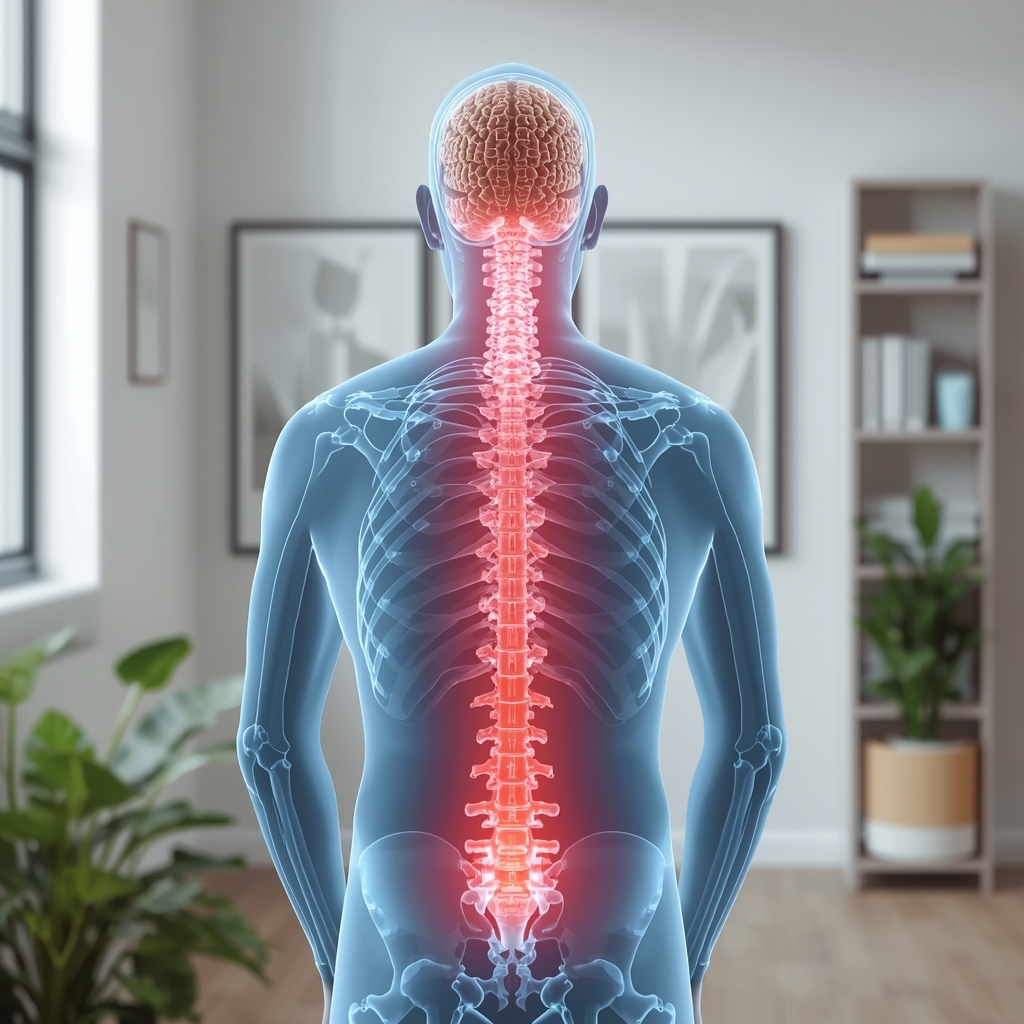
Understanding the Gut-Brain-Spine Connection
The gut, brain, and spine are interconnected through complex neural and biochemical pathways, influencing overall health and pain perception. Chronic pain patients often experience dysfunctions in these systems, such as gut inflammation, altered neurotransmitter levels, or spinal misalignments. Functional medicine emphasizes addressing these root causes rather than isolated symptoms. Chiropractors can leverage this approach by considering how digestive health, neurological function, and spinal integrity collectively impact pain. For example, gut dysbiosis may trigger systemic inflammation, while spinal adjustments might improve nerve communication. This holistic perspective allows for more comprehensive care, aligning with the growing trend of integrative wellness strategies.
The Role of the Gut-Brain Axis in Chronic Pain
The gut-brain axis is a bidirectional communication network linking the gastrointestinal tract and central nervous system. Research suggests that gut health influences mood, cognition, and pain sensitivity. Chronic pain conditions like fibromyalgia or IBS often coexist with gut imbalances, such as leaky gut syndrome or microbial dysbiosis. Chiropractors trained in functional principles may assess patients for these connections, recommending dietary changes, probiotics, or stress management to support gut health. By addressing this axis, practitioners can potentially reduce inflammatory markers and improve pain outcomes. However, these steps should always be discussed with a qualified provider to ensure safety and appropriateness for individual cases.
Spinal Adjustments and Neurological Function
Chiropractic adjustments aim to correct spinal misalignments, which can disrupt nerve function and contribute to chronic pain. Functional medicine principles highlight the spine's role in facilitating communication between the brain and body. By restoring proper alignment, adjustments may alleviate pressure on nerves, reducing pain signals and improving overall function. This approach complements functional medicine's focus on optimizing the body's innate healing abilities. For instance, a patient with lower back pain might benefit from both targeted spinal care and dietary interventions to reduce inflammation. Chiropractors integrating these methods often emphasize personalized plans that consider each patient's unique health profile and goals.
Lifestyle and Dietary Interventions
Functional medicine underscores the importance of lifestyle factors in managing chronic pain. Chiropractors may collaborate with patients to identify dietary triggers, such as processed foods or allergens, that exacerbate inflammation. Recommendations might include anti-inflammatory diets, hydration strategies, or supplements like omega-3s. Stress management techniques, such as mindfulness or exercise, also play a role in modulating the gut-brain axis. While these approaches are widely supported, their implementation should be guided by a healthcare professional to avoid adverse effects. Chiropractors can serve as coordinators, connecting patients with specialists or resources to address multiple facets of their health holistically.
Integrating Functional Medicine with Chiropractic Care
Combining functional medicine with chiropractic care involves a patient-centered approach that addresses multiple systems. Practitioners might use tools like food sensitivity testing, gut microbiome analysis, or comprehensive blood work to identify underlying issues. Chiropractors can then design treatment plans that merge spinal adjustments with targeted interventions, such as nutritional counseling or detoxification protocols. This synergy allows for a more thorough evaluation of chronic pain causes, moving beyond symptom management. However, it's crucial to maintain clear communication with other healthcare providers to ensure safe, coordinated care. Patients should always consult their chiropractor before starting new therapies to align with their individual needs.
Conclusion: A Holistic Path Forward
By embracing functional medicine principles, chiropractors can enhance their ability to address chronic pain through the gut-brain-spine connection. This approach prioritizes understanding the body as an interconnected system, offering patients more comprehensive solutions. While specific strategies should be tailored by professionals, the integration of dietary, lifestyle, and spinal care elements represents a promising direction. As research continues to uncover these links, chiropractors are well-positioned to lead in holistic pain management. Patients seeking relief may benefit from exploring these integrated options, always under the guidance of qualified practitioners committed to their well-being.













