
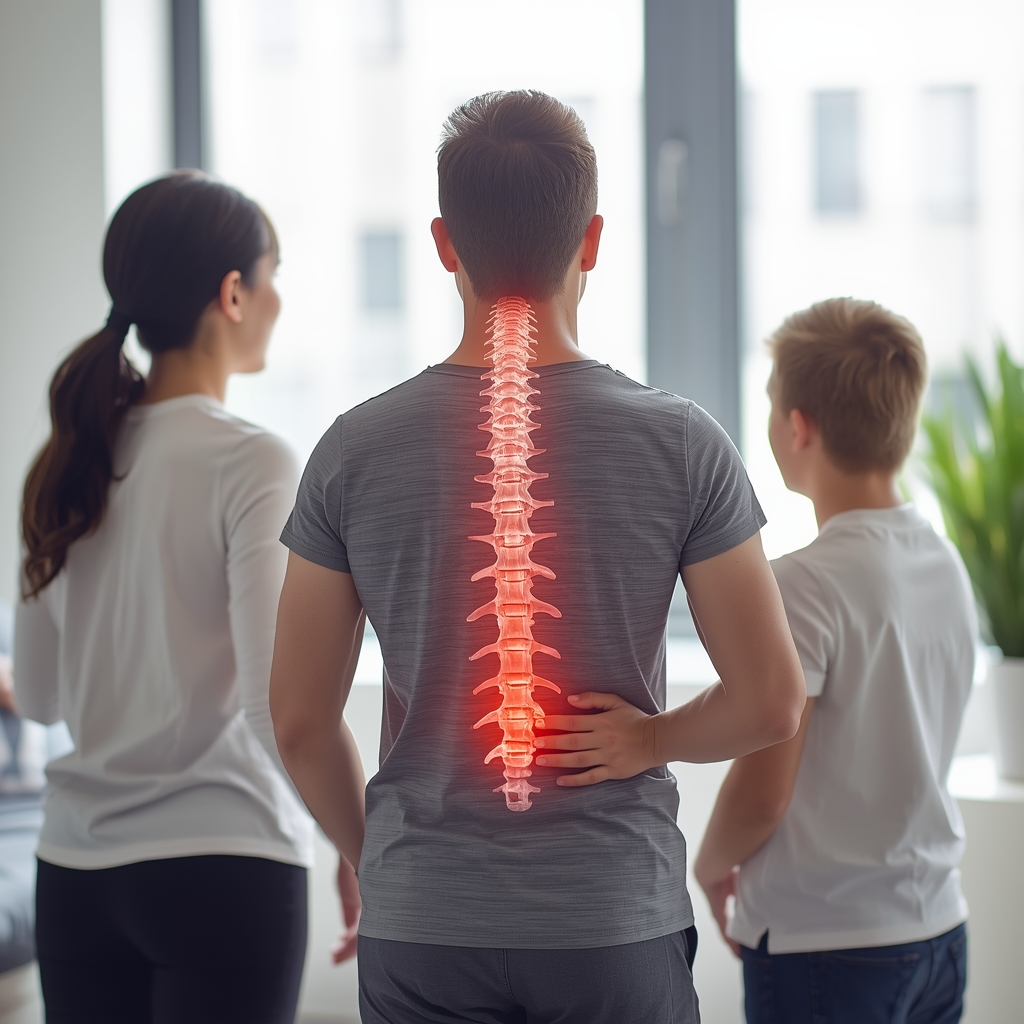
1. Understanding Family-Centered Chiropractic Care
Family-centered chiropractic care emphasizes holistic approaches that address the unique spinal health needs of each generation within a household. Unlike one-size-fits-all treatments, this model prioritizes collaboration between chiropractors and families to create personalized plans. For instance, a child’s developing spine requires different attention than an aging parent’s degenerative conditions. By fostering open dialogue, chiropractors can identify shared risk factors, such as sedentary lifestyles or repetitive strain, and address them collectively. This strategy not only improves individual outcomes but also strengthens family bonds through shared wellness goals. Regular check-ups and education about posture, movement, and ergonomic habits become foundational elements. The focus remains on long-term health rather than reactive care, ensuring that each family member’s spinal health is a priority across their lifespan.
2. Fostering Open Communication Within the Family
Effective family-centered chiropractic care relies on transparent communication among all members. Parents, children, and elders should feel comfortable discussing pain, mobility issues, or concerns about treatment. For example, a teenager experiencing tech neck from screen use might benefit from adjustments and ergonomic advice, while a grandparent with arthritis could require gentle mobilization techniques. Chiropractors often act as mediators, translating medical insights into actionable steps for each age group. Regular family meetings to review progress and adjust care plans help maintain consistency. Open communication also reduces anxiety around treatments, especially for younger patients or those hesitant about manual therapies. By creating a supportive environment, families can collectively embrace chiropractic care as a shared responsibility, reinforcing its role in daily wellness routines.
3. Tailoring Strategies for Different Generations
Spinal health needs vary significantly across generations, requiring customized chiropractic approaches. For children, focus areas include posture correction, sports injury prevention, and addressing congenital conditions like scoliosis. Adolescents may benefit from adjustments to alleviate back pain from heavy backpacks or poor sitting habits. Adults often seek relief from work-related strain, while seniors require gentle care to manage degenerative disc disease or osteoarthritis. Chiropractors might use techniques like spinal manipulation for younger patients and low-force adjustments for older adults. Additionally, incorporating lifestyle advice—such as age-appropriate exercise or sleep position adjustments—enhances outcomes. By recognizing these differences, families can ensure each member receives care aligned with their physical development and lifestyle, promoting lifelong spinal resilience.
4. Integrating Spinal Health Into Family Routines
Incorporating chiropractic care into daily family routines strengthens its impact on multi-generational spine health. Simple habits, like scheduled stretching sessions or ergonomic workspace setups, can benefit all members. For example, a family might adopt a morning mobility routine featuring gentle stretches to improve flexibility and reduce stiffness. Parents can model healthy posture for children, while elders might share techniques for safe movement during household tasks. Chiropractors often recommend family-friendly exercises, such as yoga or walking, to encourage collective physical activity. Nutrition and hydration also play a role, as proper nutrition supports tissue repair and overall spinal function. By making these practices habitual, families create an environment where spinal health is a shared priority, reducing the risk of chronic issues over time.
5. Emphasizing Preventive Care for Long-Term Benefits
Preventive chiropractic strategies are critical for maintaining spinal health across generations. Regular adjustments help detect early signs of misalignment or wear, preventing more severe issues later. Families can adopt proactive measures like maintaining proper sleep posture, using supportive footwear, or avoiding prolonged sitting. Chiropractors often educate patients on recognizing red flags, such as persistent pain or reduced mobility, to seek timely intervention. For children, preventive care includes monitoring growth patterns and addressing postural imbalances early. Seniors may benefit from balance exercises to reduce fall risks. By prioritizing prevention, families minimize the need for intensive treatments and foster a culture of self-awareness. This approach not only saves time and resources but also empowers each member to take charge of their spinal health proactively.
6. Building a Supportive Environment for All Ages
A supportive environment is essential for sustaining multi-generational chiropractic care. Families can create spaces that encourage movement, such as home gyms or outdoor activity areas, where all members feel motivated to stay active. Chiropractors often collaborate with other healthcare providers to ensure comprehensive care, especially for complex conditions. Emotional support is equally important—celebrating small victories, like reduced pain or improved mobility, reinforces commitment to wellness. Schools and workplaces can also play a role by promoting ergonomic practices and flexibility. By fostering a culture of health that transcends individual needs, families ensure that chiropractic care remains a valued, ongoing practice. This collective effort not only enhances spinal health but also strengthens familial bonds through shared goals and mutual support.












