
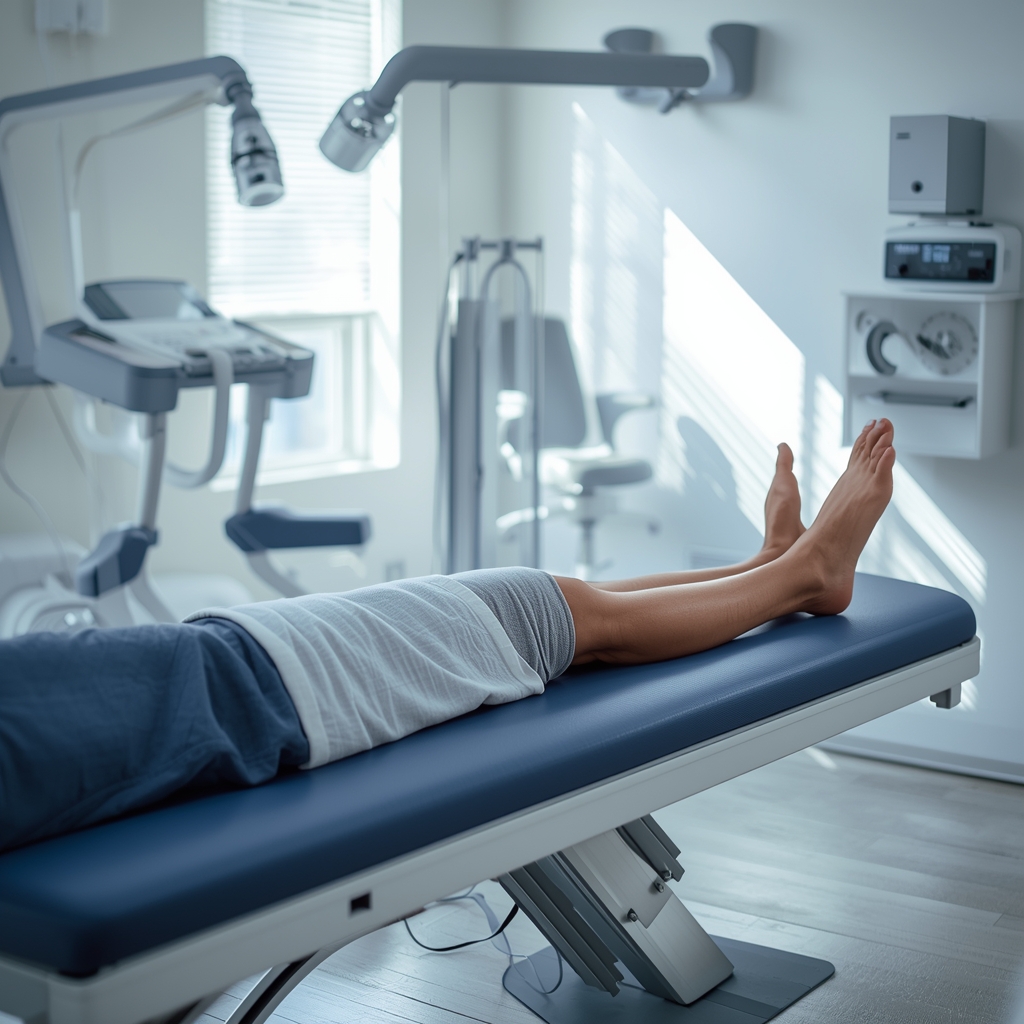
Understanding Ultrasound Therapy for Achilles Tendinopathy
Ultrasound therapy uses high-frequency sound waves to target deep tissues, promoting healing and reducing inflammation. It is commonly used in musculoskeletal care for conditions like chronic Achilles tendinopathy, a persistent overuse injury affecting the tendon connecting the calf muscles to the heel. Athletes often experience this due to repetitive stress, leading to pain and reduced mobility. While not a standalone solution, ultrasound therapy is frequently integrated into broader treatment plans. Its non-invasive nature makes it appealing for those seeking alternatives to medication or surgery. However, its effectiveness varies, and results depend on factors like injury severity and individual response. Understanding its role requires examining the evidence supporting its use in this specific context.
How Ultrasound Therapy May Aid Tendon Healing
Theoretical mechanisms suggest ultrasound therapy enhances blood flow, reduces inflammation, and stimulates collagen production, which is critical for tendon repair. Thermal effects from the sound waves may increase tissue elasticity, while non-thermal effects, such as cavitation, could break down scar tissue. These processes might help alleviate pain and improve function in chronic Achilles tendinopathy. However, the exact biological pathways remain incompletely understood. Some studies indicate that ultrasound therapy can complement other interventions, such as physical therapy or eccentric exercises, but it is not a substitute for addressing underlying biomechanical issues. Athletes often seek it as part of a multidisciplinary approach to manage long-term tendon health.
Evidence Supporting Ultrasound Therapy in Clinical Practice
Clinical research on ultrasound therapy for Achilles tendinopathy is mixed. While some studies report modest improvements in pain and function, others find limited or inconsistent benefits. A 2020 review highlighted that high-quality trials are scarce, making it difficult to draw definitive conclusions. Factors like treatment parameters (e.g., frequency, duration) and patient adherence may influence outcomes. Despite this, many practitioners continue to use ultrasound therapy based on anecdotal success and its low risk profile. For athletes, the therapy’s ability to support recovery without significant side effects makes it a viable option when combined with other evidence-based strategies. However, individual results may vary, and patients should discuss its suitability with a qualified provider.
Ultrasound Therapy in the Context of Athletic Recovery
Athletes with chronic Achilles tendinopathy often face unique challenges, including the need for rapid recovery and return to activity. Ultrasound therapy is sometimes used to manage symptoms and support rehabilitation, particularly when paired with targeted exercises. Its ability to penetrate deep tissues makes it potentially valuable for addressing tendon-specific issues. However, the therapy’s role in athletic populations remains debated, as results can depend on factors like training intensity and injury duration. Some athletes report reduced pain and improved flexibility, while others see minimal benefits. It is crucial for athletes to work with healthcare professionals to tailor treatment plans, ensuring ultrasound therapy aligns with broader recovery goals and avoids overreliance on a single intervention.
Safety and Considerations for Using Ultrasound Therapy
Ultrasound therapy is generally considered safe when administered by trained professionals. It carries minimal risks, such as mild skin irritation or overheating if not properly applied. However, it is not suitable for all patients, particularly those with certain medical conditions or implanted devices. For athletes, improper use could delay healing or exacerbate existing issues. The therapy should always be part of a comprehensive care plan, not a standalone treatment. Patients should consult a chiropractor or physical therapist to determine if ultrasound therapy is appropriate for their specific condition. Open communication with healthcare providers ensures safe and effective use, especially when managing chronic injuries that require long-term management.
Conclusion: Weighing the Evidence and Next Steps
While ultrasound therapy shows promise as a supportive treatment for chronic Achilles tendinopathy, the evidence remains inconclusive. Its potential benefits—such as reducing pain and improving tissue healing—must be weighed against the lack of robust, large-scale studies. Athletes and patients should approach it as one tool among many, discussing options with qualified providers to create personalized care plans. Ongoing research may clarify its role, but for now, it is best used alongside other evidence-based interventions. By staying informed and working closely with healthcare professionals, individuals can make informed decisions about incorporating ultrasound therapy into their recovery journey.














