
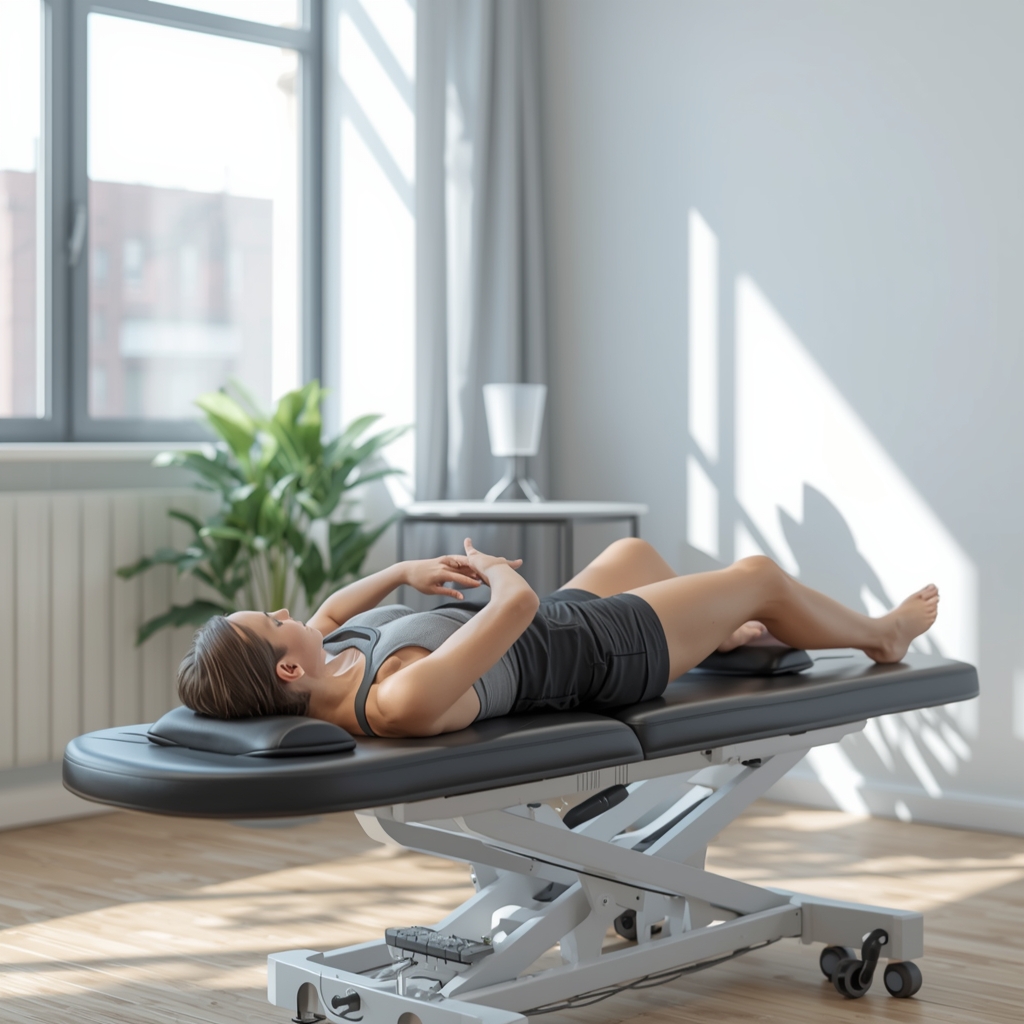
Understanding Ultrasound Therapy and Its Applications
Ultrasound therapy uses high-frequency sound waves to penetrate deep into tissues, generating heat and promoting healing. This non-invasive technique is commonly used in physical rehabilitation to reduce inflammation, improve circulation, and break down scar tissue. While widely applied for various musculoskeletal conditions, its role in treating chronic Achilles tendinopathy—especially in non-athletic populations—requires careful examination. Unlike acute injuries, chronic tendinopathy involves long-term degeneration of tendon fibers, often linked to repetitive strain or aging. Ultrasound therapy’s potential to stimulate cellular activity and enhance tissue repair makes it a topic of interest for managing such conditions. However, its effectiveness depends on factors like treatment duration, frequency, and the patient’s overall health. Clinicians often combine it with other interventions, such as exercise or manual therapy, to optimize outcomes. Understanding its mechanisms and evidence base is critical for informed decision-making.
Chronic Achilles Tendinopathy in Non-Athletic Populations
Chronic Achilles tendinopathy refers to persistent pain and degeneration of the Achilles tendon, typically caused by overuse or repetitive stress. While often associated with athletes, non-athletic individuals—such as those with sedentary lifestyles or occupations involving prolonged standing—can also develop this condition. Factors like poor footwear, biomechanical imbalances, or age-related tissue changes contribute to its progression. Unlike acute injuries, chronic tendinopathy may not respond well to traditional rest or anti-inflammatory treatments, necessitating alternative approaches. For non-athletic populations, managing this condition is essential to maintaining mobility and quality of life. Ultrasound therapy is sometimes considered due to its potential to reduce pain and improve tendon function. However, its application in this group requires tailored strategies, as their activity levels and healing capacities differ from athletes. Exploring evidence supporting its use helps determine its viability as a treatment option.
How Ultrasound Therapy May Benefit Tendon Health
The therapeutic effects of ultrasound on tendons are thought to involve several biological mechanisms. The sound waves may increase blood flow to the affected area, delivering oxygen and nutrients that support tissue repair. They can also reduce inflammation by modulating cellular activity and promoting the release of anti-inflammatory substances. Additionally, ultrasound may help break down calcified deposits or scar tissue that contribute to tendon stiffness and pain. For chronic Achilles tendinopathy, these effects could theoretically improve flexibility and reduce discomfort. However, the extent of these benefits remains a subject of debate. Some studies suggest that ultrasound can enhance recovery when combined with other therapies, while others find limited standalone efficacy. The lack of standardized protocols—such as optimal frequency, duration, or intensity—further complicates its application. Despite these uncertainties, many practitioners continue to use ultrasound as part of a multidisciplinary approach to tendon care.
Evidence Supporting Ultrasound Therapy for Chronic Tendinopathy
Research on ultrasound therapy for chronic Achilles tendinopathy is mixed, with studies yielding varied results. Some clinical trials indicate that ultrasound may provide modest pain relief and functional improvements when used alongside exercise programs. These findings align with broader evidence that combining modalities often enhances outcomes. However, other studies fail to demonstrate significant benefits, suggesting that ultrasound alone may not be sufficient for long-term management. The inconsistency in results could stem from differences in study design, patient populations, or treatment parameters. For non-athletic individuals, who may have comorbidities or slower healing rates, the evidence is even less clear. While some guidelines acknowledge ultrasound as a potential adjunct, they emphasize the need for further research to establish its role. Patients considering this therapy should discuss its potential benefits and limitations with a qualified healthcare provider to determine if it fits their specific needs.
Considerations for Non-Athletic Patients
Non-athletic populations often have unique factors that influence the effectiveness of ultrasound therapy. For example, individuals with sedentary lifestyles may experience reduced blood flow to the Achilles tendon, potentially affecting healing. Additionally, age-related changes in tissue elasticity and metabolic function could alter how the body responds to ultrasound. Comorbid conditions like diabetes or vascular issues may further complicate treatment outcomes. Practitioners must tailor ultrasound protocols to these factors, adjusting parameters such as intensity and duration. Patient adherence to complementary therapies—like stretching or strength training—also plays a critical role. Since non-athletic individuals may not engage in regular physical activity, incorporating low-impact exercises alongside ultrasound could enhance its benefits. Close monitoring and regular reassessment are essential to ensure the therapy remains safe and effective. Open communication between patients and providers helps address concerns and optimize treatment plans.
Conclusion and Next Steps
While ultrasound therapy shows promise as a tool for managing chronic Achilles tendinopathy, its effectiveness in non-athletic populations remains an area of ongoing research. Current evidence suggests it may offer some benefits when integrated with other treatments, but standalone efficacy is less clear. Patients considering this approach should consult with a chiropractor or healthcare provider to evaluate their individual circumstances. A personalized plan that addresses biomechanical, lifestyle, and health factors is crucial for optimal outcomes. As research advances, clearer guidelines may emerge to refine ultrasound’s role in tendon care. For now, staying informed and working closely with a qualified professional remains the best strategy for those seeking relief from chronic Achilles tendinopathy.











