
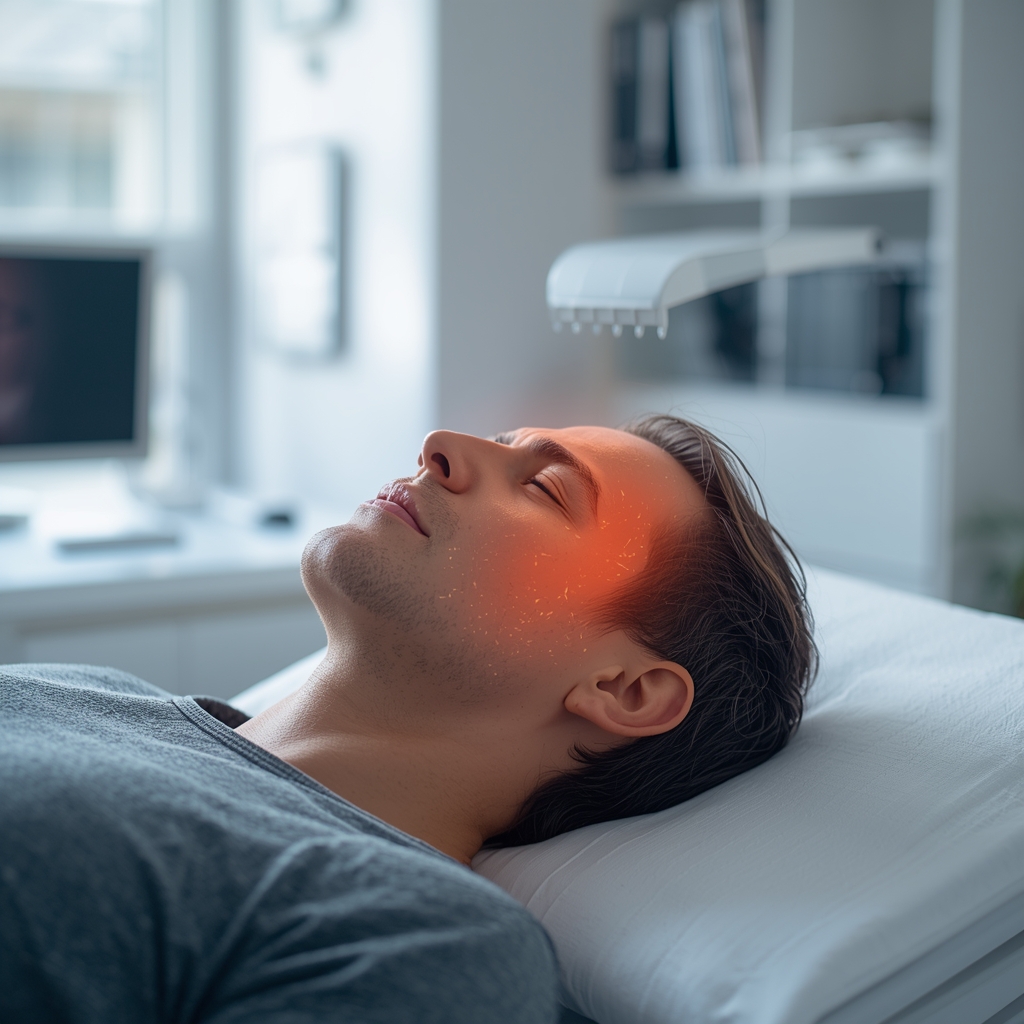
Understanding Cold Laser Therapy
Cold laser therapy, also known as low-level laser therapy (LLLT), uses specific wavelengths of light to stimulate cellular function and promote healing. While traditionally associated with musculoskeletal conditions, its applications extend to neurological and inflammatory disorders. For chronic migraines, this therapy is explored as a non-invasive option to alleviate symptoms and reduce frequency. The treatment works by targeting affected areas with light energy, potentially modulating pain signals and reducing inflammation. Although research is ongoing, its growing use in diverse conditions highlights its versatility. Patients seeking alternatives to medication or traditional therapies often consider cold laser therapy, making it a topic of increasing interest in pain management.
How Cold Laser Therapy May Help Migraines
The exact mechanisms by which cold laser therapy affects migraines are not fully understood, but researchers suggest it may influence cellular metabolism and reduce inflammation. By targeting nerve pathways, it could potentially interrupt pain signals or regulate neurotransmitter activity. Some studies indicate that laser therapy might improve blood flow and reduce oxidative stress, factors linked to migraine development. While these theories are promising, they remain under investigation. The therapy’s ability to address both pain and underlying physiological contributors makes it a compelling area of study. However, more rigorous research is needed to establish definitive evidence of its efficacy for chronic migraines.
Evidence From Clinical Research
Clinical studies on cold laser therapy for migraines are limited but show mixed results. Some trials report reduced headache frequency and intensity in participants, while others find no significant benefits. Researchers often cite the need for larger, controlled studies to validate these findings. The variability in treatment protocols—such as laser wavelength, duration, and frequency—complicates comparisons between studies. Despite this, the therapy’s non-invasive nature and low risk of side effects make it an attractive option for some patients. While evidence is not yet conclusive, ongoing research continues to explore its potential as a complementary approach to traditional migraine treatments.
Comparing Cold Laser Therapy With Other Treatments
Compared to conventional migraine treatments like medications or nerve blocks, cold laser therapy offers a non-pharmacological alternative with fewer side effects. It is often used alongside other therapies, such as chiropractic adjustments or physical therapy, to address multiple factors contributing to migraines. However, its effectiveness may vary depending on individual conditions and treatment plans. Some patients report symptom relief, while others see no change. It is important to note that cold laser therapy is not a substitute for standard medical care. A healthcare provider can help determine if it aligns with a patient’s overall treatment strategy, ensuring a balanced approach to managing chronic migraines.
Patient Experiences and Anecdotal Reports
Many individuals with chronic migraines turn to cold laser therapy after experiencing limited success with traditional treatments. Anecdotal reports often highlight reduced pain intensity or fewer migraine episodes following sessions. These personal accounts, while not scientific proof, contribute to the growing interest in the therapy. Patients frequently describe a sense of relief or improved quality of life, though results vary. It is crucial to approach these stories with caution, as individual responses can differ widely. While some find value in cold laser therapy, others may not experience the same benefits. Consulting a qualified provider remains essential to evaluate its suitability for each case.
Consulting a Healthcare Professional
Before pursuing cold laser therapy for chronic migraines, individuals should consult a licensed healthcare provider, such as a chiropractor or neurologist. A professional can assess the underlying causes of migraines and determine if this therapy is a viable option. They may also recommend combining it with other evidence-based treatments for optimal results. It is important to recognize that cold laser therapy is not a universal solution and may not work for everyone. Patients should maintain open communication with their care team to monitor progress and adjust strategies as needed. By working with experts, individuals can make informed decisions about their migraine management plan.












