
What Evidence Suggests a Connection Between Spinal Alignment and Immune System Function, and How Can Chiropractors Leverage This?
### The Link Between Spinal Alignment and Immune System Function
Emerging research suggests a potential connection between spinal alignment and immune system health, though the mechanisms remain under investigation. Proponents of chiropractic care argue that proper spinal alignment supports optimal nervous system function, which in turn may influence immune responses. The nervous system regulates many bodily processes, including immune activity, so disruptions in spinal structure could theoretically impact this balance. While direct causation is not yet proven, some studies indicate that spinal adjustments may reduce stress on nerves, potentially enhancing communication between the brain and immune system. This area of research is still evolving, with calls for more rigorous studies to clarify the relationship.
### Evidence from Scientific Studies
A growing body of research explores how spinal health might intersect with immune function. Some studies have observed that chiropractic adjustments can influence markers of immune activity, such as cytokine levels, which play a role in inflammation and immune response. For example, a 2016 study published in *Chiropractic & Manual Therapies* found that spinal manipulative therapy was associated with changes in immune-related biomarkers. However, these findings are preliminary, and larger, controlled trials are needed to confirm these effects. Researchers emphasize that while the evidence is promising, it does not yet establish a definitive causal link between spinal alignment and immune system performance.
### How Spinal Misalignments May Impact Immune Health
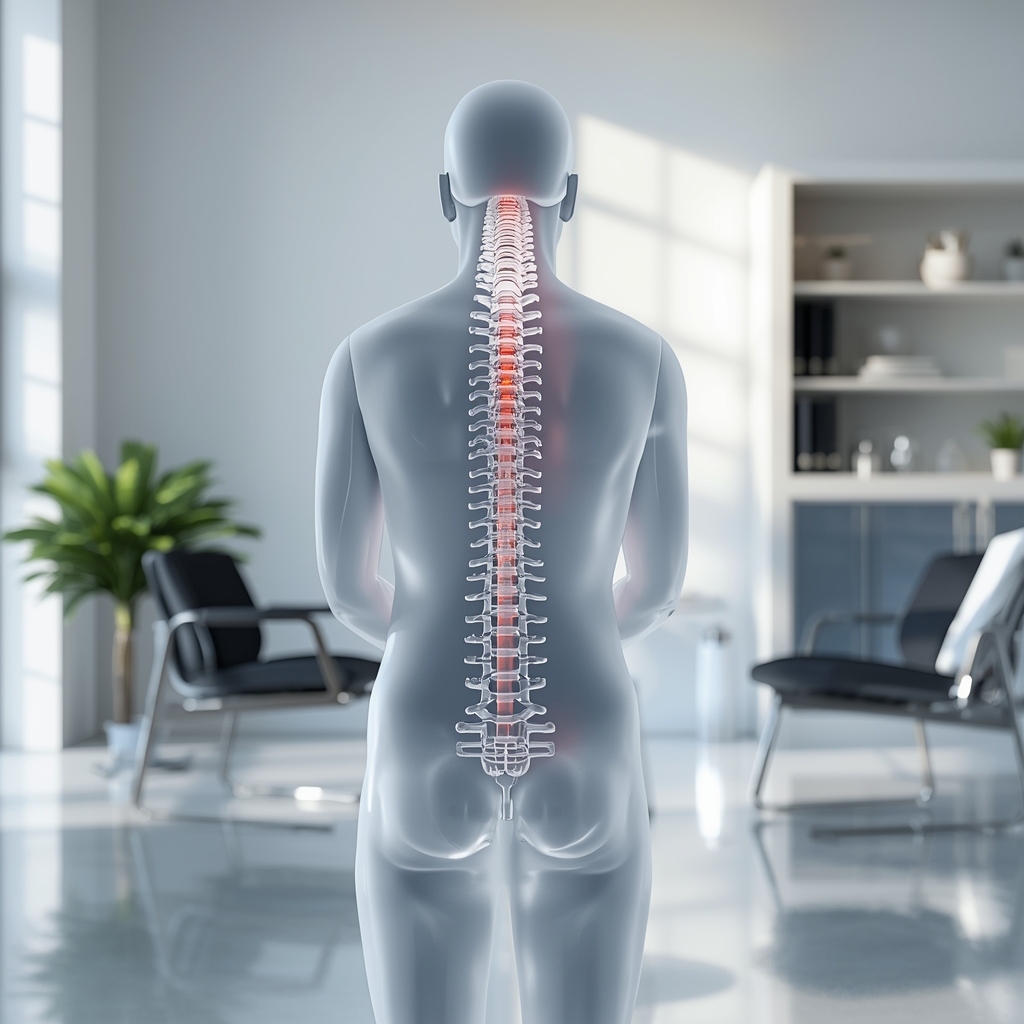
Spinal misalignments, or subluxations, are believed to interfere with nerve function, potentially disrupting the body’s ability to regulate immune responses. The spine houses and protects the spinal cord, a critical component of the central nervous system. When misalignments occur, they may impede the flow of neural signals, which could affect organs and systems involved in immunity. Chiropractors aim to correct these misalignments through adjustments, which may help restore proper nervous system function. While the exact pathways remain unclear, the theoretical framework suggests that maintaining spinal integrity could support overall health, including immune resilience.
### Chiropractors' Role in Supporting Immune Function
Chiropractors can play a supportive role in addressing factors that may influence immune health. By evaluating and correcting spinal misalignments, they aim to optimize nervous system function, which is integral to the body’s self-regulating mechanisms. This approach aligns with holistic health principles, focusing on the body’s innate ability to heal. Chiropractors may also recommend lifestyle strategies, such as exercise and stress management, that complement spinal care. However, they emphasize that chiropractic care is not a substitute for conventional medical treatments. Patients are encouraged to work with their healthcare providers to develop a comprehensive approach to immune health.
### Practical Applications for Patients
For individuals seeking to support their immune system, chiropractic care may be one component of a broader wellness strategy. Regular spinal checkups can help identify and address misalignments that might affect nervous system function. Patients should discuss their goals with a licensed chiropractor to determine if spinal adjustments align with their needs. It is important to note that while some people report improved well-being after chiropractic care, results can vary. Patients should not delay or avoid proven medical treatments in favor of alternative approaches. A collaborative, patient-centered approach ensures that all aspects of health are addressed effectively.
### Conclusion and Future Directions
The relationship between spinal alignment and immune function remains an area of active research. While some studies suggest a possible connection, more evidence is needed to fully understand the mechanisms involved. Chiropractors can contribute to this dialogue by staying informed about emerging research and integrating evidence-based practices into their care. Patients interested in exploring this link should consult with qualified healthcare professionals to make informed decisions. As the field advances, interdisciplinary collaboration will be key to uncovering how spinal health may influence overall wellness, including immune system function.














