
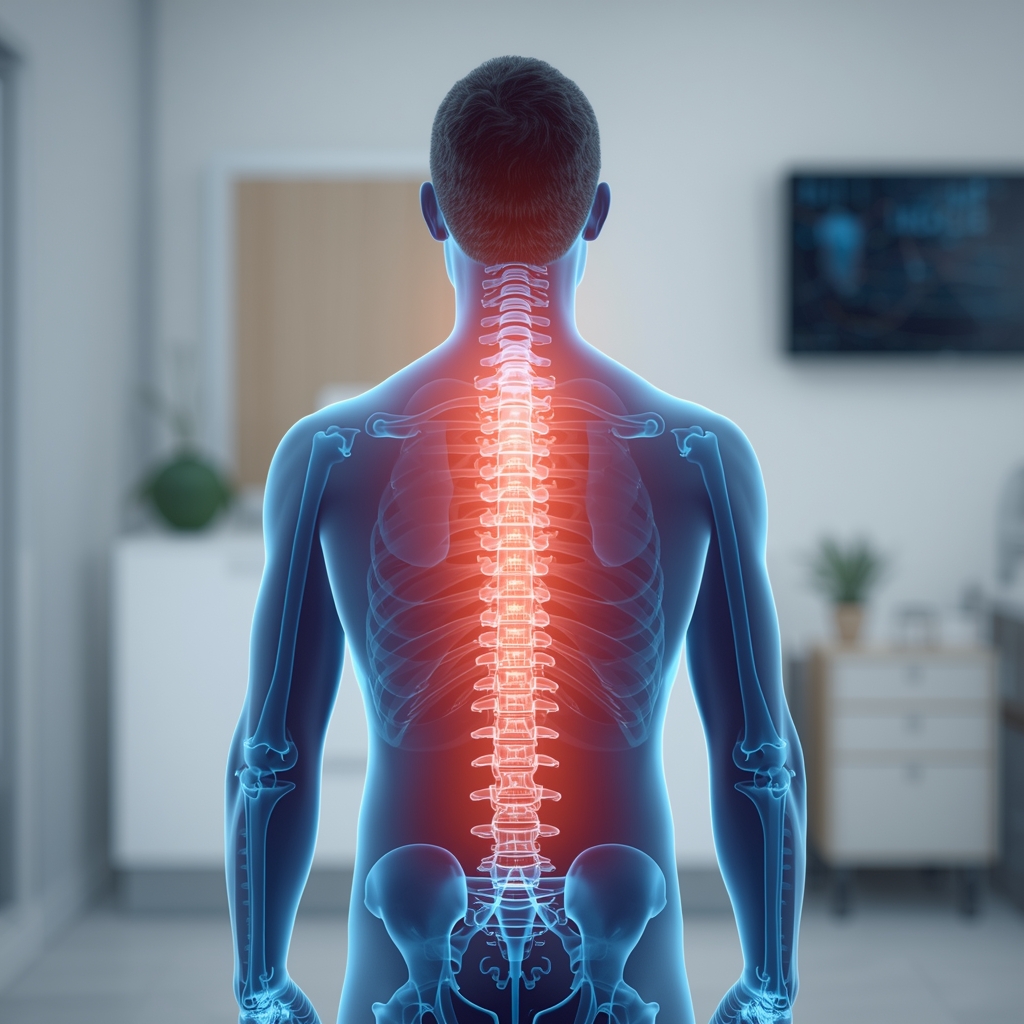
The Nervous System's Role in Immune Function
The nervous system and immune system are deeply interconnected, with the spine serving as a critical pathway for communication between them. The spinal column houses and protects the spinal cord, which is a central component of the nervous system. When spinal misalignments occur—known as subluxations—they can interfere with nerve signals traveling to and from the brain. This disruption may impair the body's ability to regulate immune responses effectively. By restoring proper spinal alignment through chiropractic adjustments, practitioners aim to remove these interferences, allowing the nervous system to function optimally. This, in turn, supports the body's natural ability to maintain balance and respond to threats, including infections and inflammation. While the exact mechanisms are still under study, the holistic approach of chiropractic care emphasizes the importance of a well-aligned spine in fostering systemic wellness.
Spinal Alignment and Immune System Optimization
Proper spinal alignment is believed to play a key role in supporting immune function by ensuring the nervous system operates without obstruction. The spine's structure directly influences the flow of nerve impulses, which regulate vital bodily functions, including immune responses. When vertebrae are out of alignment, it can create pressure on nerves, potentially leading to disrupted communication between the brain and immune system components. Chiropractic adjustments aim to correct these misalignments, reducing nerve interference and promoting a more efficient immune response. This approach aligns with the principles of holistic health, which view the body as an interconnected system where physical and physiological well-being are interdependent. While scientific research on this specific connection is evolving, many chiropractors and patients report improved resilience and faster recovery times following regular spinal care. The focus remains on supporting the body's innate ability to heal and maintain balance.
How Chiropractic Care Supports Systemic Wellness
Chiropractic care extends beyond addressing pain or musculoskeletal issues, offering a broader perspective on systemic wellness. By prioritizing spinal health, chiropractors help maintain the integrity of the nervous system, which is essential for regulating bodily functions. A well-aligned spine is thought to enhance the body's ability to adapt to stressors, both physical and environmental, which can impact immune resilience. This holistic approach often includes lifestyle recommendations, such as exercise, nutrition, and posture, to further support overall health. Patients may find that regular chiropractic adjustments contribute to a more balanced immune response, reducing the frequency of illnesses and improving recovery rates. While individual results can vary, the emphasis on natural, non-invasive methods aligns with the growing interest in integrative health practices. Chiropractic care is often seen as a complementary strategy to support the body's innate healing mechanisms, rather than a standalone solution.
The Holistic Connection Between Spine and Immunity
The relationship between spinal health and immune function reflects a broader understanding of the body's interconnected systems. The spine is not just a structural support but a conduit for nerve signals that influence every organ and system, including the immune response. When the spine is misaligned, it can create a cascade of effects that may weaken the body's defenses. Chiropractic care addresses this by focusing on the root causes of dysfunction rather than just symptoms. This approach resonates with the principles of holistic medicine, which prioritize the body's natural ability to heal itself. By fostering a balanced nervous system, chiropractic adjustments may help the immune system function more efficiently. However, it's important to note that chiropractic care is part of a comprehensive wellness strategy. Individuals seeking to enhance their immune health should consider a multifaceted approach that includes proper nutrition, stress management, and regular physical activity alongside spinal care.
Evidence-Based Approaches to Spinal and Immune Health
While the direct link between chiropractic care and immune function remains an area of ongoing research, there is growing interest in the role of the nervous system in immune regulation. Some studies suggest that spinal manipulation may influence immune markers, though more rigorous investigations are needed to establish clear connections. Chiropractors often draw on clinical observations and patient feedback to support the value of spinal alignment in promoting overall wellness. This evidence-based perspective emphasizes the importance of individualized care, where practitioners assess each patient's unique needs and health history. By combining traditional chiropractic techniques with modern scientific insights, providers aim to offer safe and effective solutions for those seeking to optimize their health. Patients are encouraged to engage in open discussions with their chiropractor to explore how spinal care might complement their broader health goals.
Consulting a Chiropractor for Personalized Care
Each individual's health journey is unique, and the impact of chiropractic care on immune function can vary based on personal factors such as lifestyle, existing health conditions, and genetic predispositions. A qualified chiropractor can provide a comprehensive evaluation to determine how spinal alignment and nervous system health may influence overall wellness. This personalized approach allows for tailored recommendations that address specific needs and goals. Patients are advised to seek care from licensed professionals who prioritize evidence-based practices and patient education. While chiropractic adjustments may contribute to improved immune resilience, they are most effective when integrated into a broader health strategy. By working closely with a chiropractor, individuals can explore how spinal care might support their long-term wellness, ensuring a safe and informed path to optimal health.














