
Understanding the Importance of Evidence-Based Guidelines
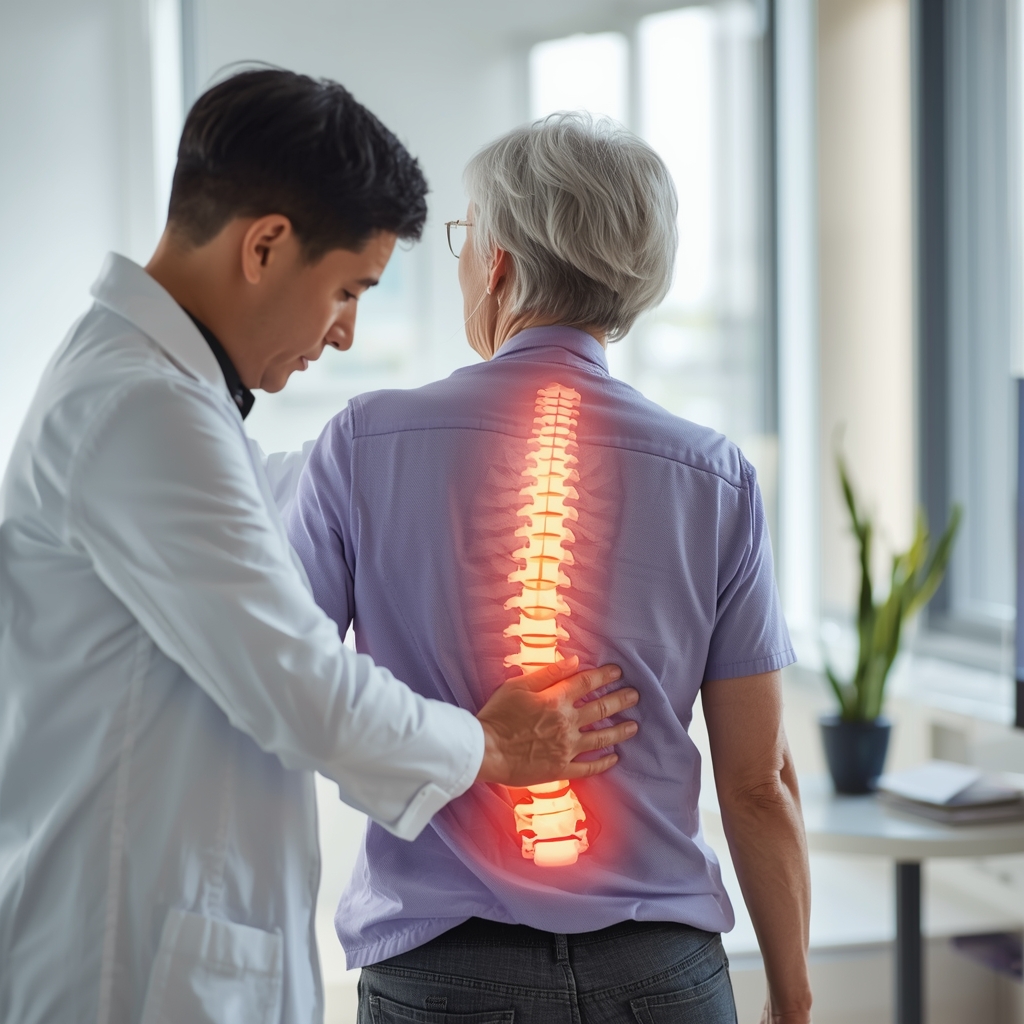
Chiropractors treating elderly patients with osteoporosis rely on evidence-based guidelines to prioritize safety and effectiveness. Osteoporosis weakens bones, increasing fracture risk, so adjustments must be tailored to minimize strain. These guidelines help practitioners balance therapeutic goals with patient safety, ensuring care aligns with broader medical standards. By following established protocols, chiropractors reduce the likelihood of complications while addressing musculoskeletal concerns. This approach supports informed decision-making, allowing patients to understand risks and benefits. It also fosters collaboration with other healthcare providers, creating a cohesive care plan. Evidence-based practices are critical for maintaining trust and ensuring elderly patients receive appropriate, non-invasive support. Ultimately, these guidelines reflect a commitment to patient-centered care, emphasizing both safety and quality outcomes.
Comprehensive Patient Assessment Before Adjustments
Before any adjustment, chiropractors conduct thorough assessments to evaluate bone density, mobility, and overall health. This includes reviewing medical history, imaging results, and current medications that may affect bone integrity. A physical examination helps identify areas of weakness or instability, guiding the development of a personalized care plan. By understanding the patient’s unique condition, chiropractors can avoid techniques that might cause harm. This step is crucial for elderly individuals, as even minor errors could lead to fractures. Assessments also consider the patient’s lifestyle, activity level, and pain patterns to tailor interventions. Regular re-evaluations ensure adjustments remain safe as the patient’s condition evolves. This meticulous approach underscores the importance of individualized care, ensuring that each treatment aligns with the patient’s needs and medical context.
Gentle Adjustment Techniques for Osteoporosis Patients
Chiropractors use modified techniques to accommodate the fragility of bones in osteoporosis patients. Instead of traditional high-velocity adjustments, they often employ low-force methods, such as activator instruments or drop table adjustments, which reduce pressure on weakened bones. These approaches minimize the risk of injury while still addressing spinal misalignments. Practitioners also focus on specific areas of concern, avoiding excessive manipulation of the vertebrae. By prioritizing precision over force, chiropractors can provide relief without compromising safety. Education on proper posture and movement further supports these efforts, helping patients protect their bones. Each technique is chosen based on the patient’s condition and response to care. This adaptability ensures that elderly individuals receive effective, safe treatment that aligns with their health status and goals.
Collaboration With Medical Professionals for Holistic Care
Chiropractors often work alongside medical professionals to ensure a holistic approach for elderly osteoporosis patients. This collaboration includes consulting with primary care physicians, orthopedic specialists, and physical therapists to coordinate care. By sharing patient information and treatment plans, healthcare providers can address both spinal health and overall bone strength. This teamwork helps identify contraindications for certain adjustments and ensures that chiropractic care complements other treatments. For example, a patient on bisphosphonate therapy may require modified techniques to avoid complications. Such partnerships also enable referrals for additional interventions, like bone density scans or medications, when needed. This integrated model emphasizes patient safety and comprehensive management, reflecting the importance of multidisciplinary care in complex cases.
Empowering Patients Through Education and Communication
Clear communication and patient education are vital when treating elderly individuals with osteoporosis. Chiropractors explain the risks, benefits, and alternatives of each intervention, helping patients make informed choices. They also provide guidance on daily activities, such as lifting techniques and fall prevention, to protect bone health. By fostering open dialogue, practitioners can address concerns and adjust care plans as needed. Education on nutrition, exercise, and medication adherence further supports overall well-being. Patients who understand their condition and treatment are more likely to follow recommendations and report changes in symptoms. This proactive approach strengthens the patient-provider relationship, ensuring care remains safe, effective, and aligned with individual needs.
Ongoing Monitoring and Adaptation of Care Plans
Regular monitoring is essential to ensure the safety and effectiveness of chiropractic care for elderly osteoporosis patients. Chiropractors track progress through follow-up visits, assessing pain levels, mobility, and any new symptoms. This ongoing evaluation allows adjustments to be made as the patient’s condition changes, ensuring treatments remain appropriate. If new health issues arise, care plans can be modified or referrals initiated. Monitoring also helps identify early signs of complications, enabling timely interventions. By maintaining a dynamic approach, chiropractors ensure care evolves alongside the patient’s needs. This commitment to continuous assessment highlights the importance of personalized, responsive care. It reinforces the value of regular check-ins, ensuring that elderly patients receive the safest and most effective support possible.















