
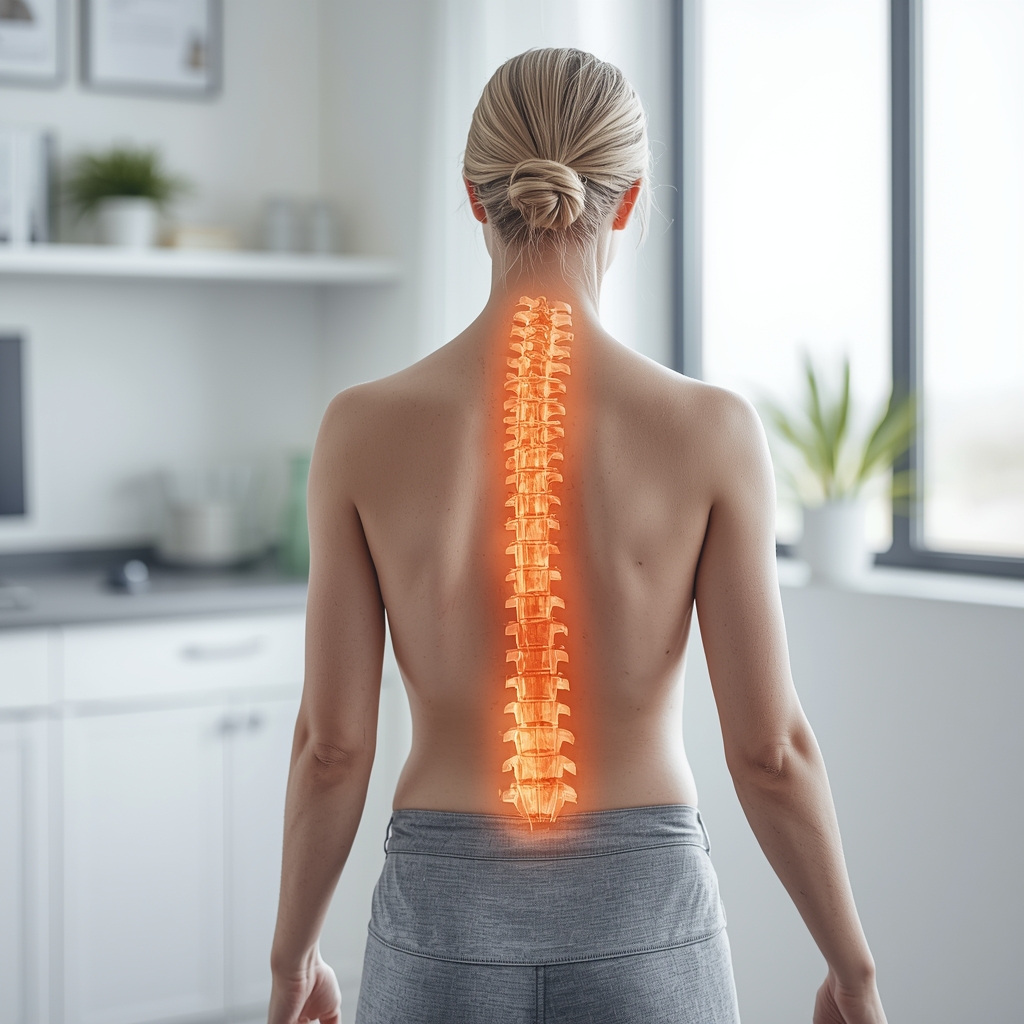
Understanding the Unique Challenges of Scoliosis and Osteoporosis
Patients with scoliosis and comorbid osteoporosis face distinct challenges due to the interplay between spinal curvature and bone density loss. Scoliosis involves abnormal lateral spinal curvature, while osteoporosis weakens bones, increasing fracture risk. Together, these conditions demand careful, individualized care. Chiropractors must balance addressing spinal misalignments with protecting fragile bone structures. This dual diagnosis requires a nuanced approach, as traditional adjustments may pose risks. Understanding the biomechanical and physiological complexities of these conditions is critical for developing safe treatment plans. The goal is to improve mobility and reduce pain without compromising bone integrity. Chiropractors must prioritize patient safety by avoiding high-velocity techniques and focusing on gentle, supportive interventions. This foundational awareness sets the stage for the precautions and strategies outlined below.
Comprehensive Patient Assessment and Medical History Review
A thorough assessment is the cornerstone of safe care for patients with scoliosis and osteoporosis. Chiropractors should begin with a detailed medical history, including previous fractures, bone density test results, and medications that may affect bone health. Imaging studies, such as X-rays or MRIs, help visualize spinal curvature and bone density. Collaboration with primary care physicians or orthopedic specialists ensures a holistic understanding of the patient’s condition. This information guides treatment decisions, helping identify areas of the spine that require caution. For example, severe osteoporosis may necessitate avoiding certain adjustment techniques. Open communication with the patient about their symptoms, limitations, and goals is equally vital. This comprehensive approach allows chiropractors to tailor care while minimizing risks, ensuring interventions align with the patient’s overall health profile.
Adapting Adjustment Techniques for Bone Health
Chiropractors must modify adjustment techniques to accommodate the fragility of osteoporotic bones while addressing scoliosis-related misalignments. High-velocity, low-amplitude (HVLA) adjustments are generally avoided, as they may increase fracture risk. Instead, gentle, low-force methods like drop-table adjustments, mobilization, or instrument-assisted techniques are preferred. These approaches reduce pressure on compromised vertebrae while promoting spinal alignment. For scoliosis, focus on correcting rotational components and improving posture without forcing the spine into unnatural positions. Soft tissue therapies, such as myofascial release, can complement adjustments by easing muscle tension that exacerbates spinal strain. By prioritizing patient comfort and safety, chiropractors can achieve meaningful improvements without compromising bone health. Each technique should be carefully selected based on the patient’s specific condition and tolerance.
Monitoring and Gradual Progression of Care
Regular monitoring is essential to ensure the safety and effectiveness of chiropractic care for patients with scoliosis and osteoporosis. Chiropractors should schedule follow-up appointments to assess changes in spinal alignment, pain levels, and overall function. Adjustments should be introduced gradually, allowing the body to adapt while minimizing stress on weakened bones. Patients may need to report any new symptoms, such as increased pain or tenderness, which could indicate overexertion. Imaging reviews at intervals can help track progress and identify any unintended effects of treatment. This proactive approach enables chiropractors to refine care plans as needed, ensuring they remain aligned with the patient’s evolving condition. By emphasizing consistency and attentiveness, chiropractors can foster long-term stability and reduce the risk of complications.
Empowering Patients with Education and Self-Care Strategies
Education plays a critical role in managing scoliosis and osteoporosis. Chiropractors should inform patients about the importance of proper posture, safe movement patterns, and exercises that support spinal health without straining bones. Recommendations may include low-impact activities like swimming or walking, which enhance mobility without excessive joint stress. Patients should also learn to recognize warning signs, such as sudden pain or difficulty moving, and report them promptly. Encouraging open dialogue about concerns or preferences ensures care remains patient-centered. Additionally, discussing the role of nutrition, fall prevention, and bone-strengthening practices reinforces a holistic approach. Empowering patients with knowledge fosters active participation in their care, enhancing outcomes and promoting long-term well-being.
Collaborating with Multidisciplinary Healthcare Providers
Chiropractors should work closely with other healthcare professionals to provide comprehensive care for patients with scoliosis and osteoporosis. Coordination with orthopedic specialists, physical therapists, and primary care physicians ensures treatment aligns with broader medical goals. For instance, physical therapists can design strengthening programs to support spinal stability, while orthopedic teams may monitor for progression requiring medical intervention. Chiropractors should also stay informed about the latest guidelines for managing these conditions, as recommendations may evolve with new research. This collaborative approach allows for a more integrated treatment strategy, addressing both spinal alignment and bone health. By fostering strong professional relationships, chiropractors can offer patients the most effective, well-rounded care possible, enhancing safety and outcomes.














