
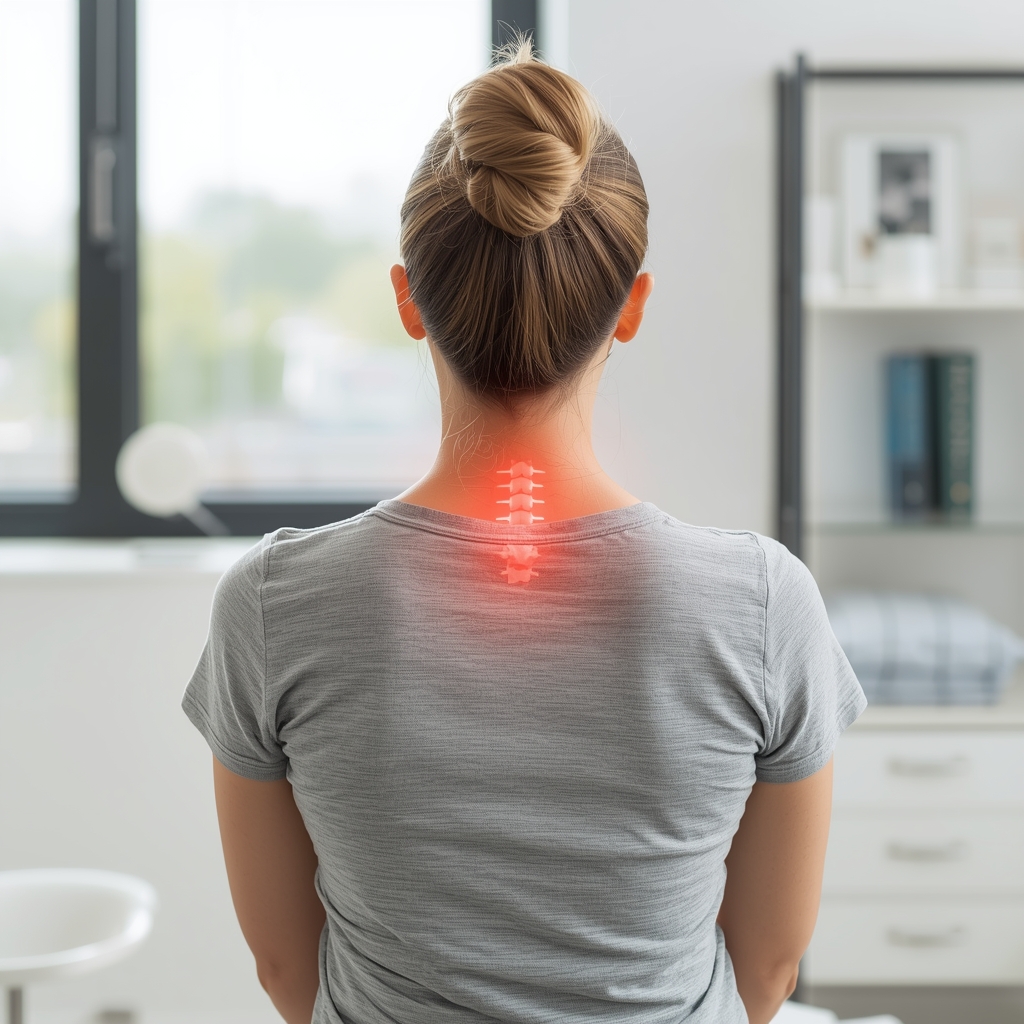
Initial Consultation and Medical History
During the first chiropractic visit, the process begins with a detailed discussion about the patient’s symptoms, medical history, and lifestyle. The chiropractor will ask about the nature, duration, and location of any pain or discomfort, as well as previous injuries, surgeries, or chronic conditions. This information helps identify patterns or underlying factors that may affect spinal alignment or nerve function. The patient’s occupation, activity level, and daily habits are also explored to understand how they might contribute to musculoskeletal issues. This initial conversation establishes a foundation for the physical examination and ensures the chiropractor can tailor the assessment to the individual’s needs.
Physical Examination and Posture Assessment
The chiropractor will conduct a thorough physical examination to evaluate posture, spinal curvature, and musculoskeletal function. They may observe the patient standing, sitting, and moving to assess alignment and range of motion. Palpation—gently pressing on the spine and surrounding muscles—helps detect areas of tenderness, swelling, or abnormal curvature. The chiropractor will also check for muscle strength, symmetry, and any signs of nerve compression. This hands-on evaluation provides critical insights into potential misalignments and guides further diagnostic steps without relying on advanced technology.
Neurological and Reflex Testing
To assess nerve function, the chiropractor may perform neurological tests that evaluate reflexes, sensation, and coordination. A reflex hammer is often used to check deep tendon reflexes, while the patient might be asked to identify sensations like touch, pressure, or temperature. The chiropractor may also observe the patient’s balance and gait to detect any neurological imbalances. These tests help determine if nerve pathways are functioning properly and if spinal misalignments are affecting nerve communication. The results are documented to inform the treatment plan and monitor progress over time.
Orthopedic and Functional Movement Tests
Orthopedic tests involve specific movements or maneuvers to identify issues with joints, muscles, or ligaments. The chiropractor may ask the patient to perform actions like bending, twisting, or extending their limbs to assess flexibility and pain triggers. These tests can reveal conditions such as herniated discs, joint instability, or muscle imbalances. Functional movement assessments evaluate how the body moves as a whole, highlighting compensatory patterns that may contribute to spinal strain. This step helps the chiropractor pinpoint the root cause of symptoms and determine if further imaging or specialized care is needed.
Imaging and Diagnostic Technology (If Required)
In some cases, the chiropractor may recommend imaging studies like X-rays, MRI, or CT scans to visualize the spine and surrounding structures. These tools can detect fractures, degenerative changes, or soft tissue abnormalities that may not be apparent during a physical exam. However, imaging is typically used selectively and only when necessary to avoid unnecessary radiation exposure or costs. The chiropractor will explain the rationale for any recommended tests and ensure the patient understands the benefits and risks. Results are reviewed to refine the diagnosis and develop a targeted care plan.
Discussion of Findings and Next Steps
After completing the evaluation, the chiropractor will review the findings with the patient, explaining any detected issues and their potential impact on health. They may discuss possible treatment options, such as spinal adjustments, therapeutic exercises, or lifestyle modifications. The patient is encouraged to ask questions and voice concerns about the diagnosis or proposed care plan. The chiropractor will outline the next steps, including follow-up appointments or referrals if needed. This collaborative approach ensures the patient feels informed and involved in their care journey, fostering trust and adherence to the recommended treatment strategy.














