
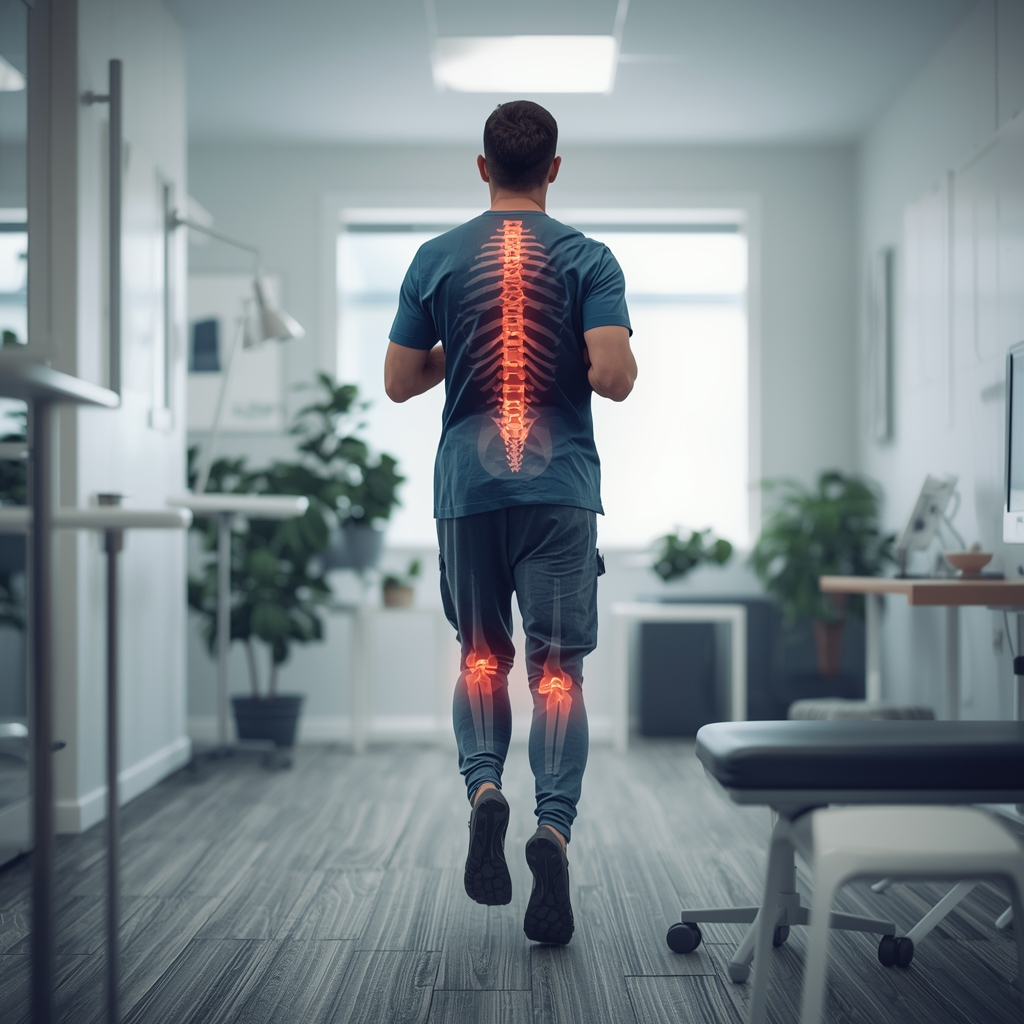
Understanding Post-Surgical Rehabilitation Needs
After total knee replacement surgery, patients often experience reduced mobility, pain, and muscle weakness. Chiropractic care can complement traditional rehabilitation by addressing musculoskeletal imbalances and promoting natural healing. The goal is to restore function, reduce discomfort, and support the body’s recovery processes. Techniques focus on improving joint mobility, strengthening surrounding muscles, and enhancing overall biomechanics. It’s essential to work with a qualified chiropractor who understands post-surgical protocols to ensure safe and effective interventions. Patients should communicate their surgical history and rehabilitation goals to tailor care appropriately. Chiropractic approaches are typically part of a multidisciplinary plan, integrating with physical therapy and medical guidance for optimal outcomes.
Spinal Adjustments and Postural Alignment
Spinal adjustments can play a role in post-knee surgery recovery by correcting misalignments that may affect gait and posture. A misaligned spine can create compensatory patterns, placing undue stress on the newly replaced knee. Chiropractors use gentle, targeted adjustments to restore proper spinal mechanics, which may alleviate referred pain and improve movement efficiency. This technique also supports the nervous system, potentially enhancing the body’s ability to heal. However, adjustments are tailored to the patient’s condition, avoiding areas near the surgical site. Patients should expect a thorough evaluation before any spinal work begins, ensuring the approach aligns with their recovery stage and medical recommendations.
Soft Tissue Therapy and Myofascial Release
Soft tissue techniques, such as myofascial release and trigger point therapy, help address muscle tightness and scar tissue formation around the knee. These methods improve circulation, reduce inflammation, and enhance flexibility, which are critical for restoring range of motion. By releasing tension in the quadriceps, hamstrings, and surrounding areas, chiropractors can alleviate discomfort and support the knee’s functional recovery. Techniques may include deep tissue massage, instrument-assisted soft tissue mobilization, or stretching protocols. Patients often report reduced stiffness and improved comfort after these sessions. However, care is taken to avoid direct pressure on the surgical site, focusing instead on adjacent musculature to promote overall healing without compromising the implant.
Mobilization and Joint Movement Techniques
Chiropractors may employ joint mobilization techniques to improve the mobility of the knee and adjacent joints, such as the hip and ankle. These controlled movements help reduce stiffness, enhance synovial fluid distribution, and restore natural joint function. By addressing restrictions in surrounding areas, chiropractors can indirectly support the knee’s recovery and prevent compensatory issues. Techniques may include passive range-of-motion exercises, muscle energy techniques, or manual manipulation of the lower extremity joints. Patients are often guided through specific movements to reinforce these adjustments. It’s crucial that these methods are applied cautiously, considering the surgical site’s sensitivity and the patient’s rehabilitation timeline.
Neuromuscular Re-education and Gait Training
Neuromuscular re-education focuses on retraining the body’s movement patterns to improve coordination and stability after knee surgery. Chiropractors use balance exercises, proprioceptive training, and gait analysis to address muscle imbalances and faulty movement habits. This approach helps patients regain confidence in their mobility while reducing the risk of future injuries. Techniques may involve specialized equipment, such as balance boards or resistance bands, to strengthen stabilizing muscles. Patients are often given home exercises to reinforce progress. While these methods are beneficial, they are typically part of a broader rehabilitation strategy, requiring collaboration with physical therapists and medical professionals to ensure safety and effectiveness.
Integrating Chiropractic Care with Other Therapies
Chiropractic techniques are most effective when integrated with other rehabilitation strategies, such as physical therapy, exercise programs, and medical supervision. A multidisciplinary approach ensures comprehensive care, addressing both structural and functional aspects of recovery. Chiropractors may collaborate with physical therapists to design a tailored plan that includes strength training, flexibility exercises, and pain management strategies. Patients should discuss all therapies with their healthcare team to avoid conflicts or overexertion. While chiropractic care offers valuable support, it is not a substitute for prescribed medical treatments. Open communication with providers is essential to navigate the recovery process safely and effectively.













