
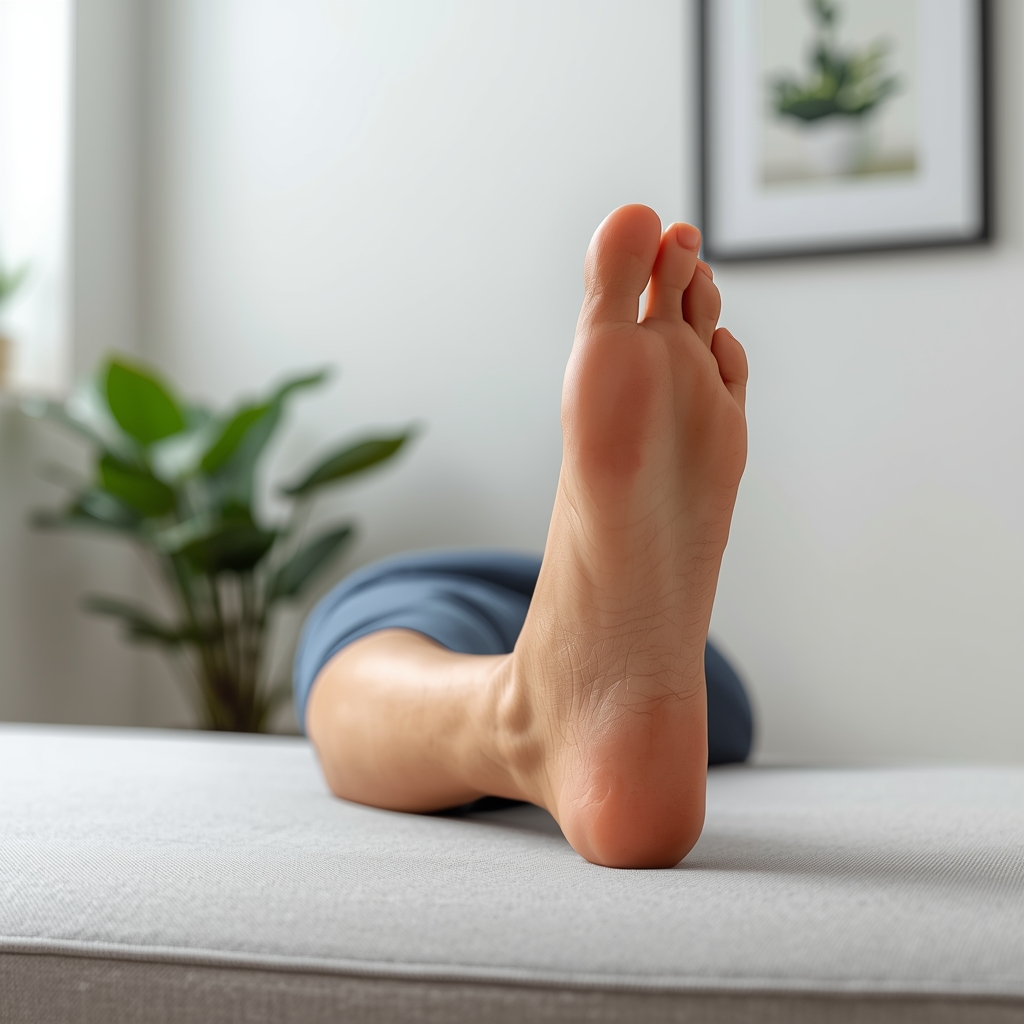
Common Stretching Routines for Plantar Fasciitis
Plantar fasciitis often benefits from targeted stretching to alleviate heel and arch pain. Common routines include calf stretches, toe stretches, and the plantar fascia-specific stretch. Calf stretches involve leaning against a wall with one leg back, while toe stretches focus on curling and extending toes. Chiropractors may recommend these exercises to improve flexibility and reduce tension. However, consistency is key, and patients should avoid overstretching. These routines are typically part of a broader care plan, alongside adjustments and lifestyle changes. Always consult a chiropractor to tailor the approach to individual needs.
Orthotic Adjustments and Custom Support
Orthotic adjustments play a critical role in managing plantar fasciitis by redistributing pressure and supporting the foot’s arch. Custom orthotics, designed by a chiropractor or podiatrist, can address biomechanical imbalances, while over-the-counter options may offer temporary relief. Proper alignment of the feet reduces strain on the plantar fascia, complementing stretching efforts. Chiropractors may evaluate gait patterns and foot mechanics to recommend the right orthotic. Patients should ensure orthotics fit comfortably and are used consistently. Regular follow-ups help refine the support as symptoms improve, ensuring long-term effectiveness.
Combining Stretching with Chiropractic Adjustments
Chiropractic adjustments can enhance the effectiveness of stretching routines by improving spinal and lower limb alignment. Misalignments in the feet, ankles, or spine may contribute to plantar fasciitis, so adjustments aim to restore balance. When combined with stretching, these adjustments can reduce inflammation and promote healing. For example, a chiropractor might address sacroiliac joint dysfunction or ankle instability to support the foot’s recovery. Patients should communicate any discomfort during adjustments to ensure safety. This integrated approach addresses both structural and muscular factors, offering a holistic solution for chronic pain.
Gentle Mobility Exercises for Foot Health
In addition to stretching, gentle mobility exercises can strengthen foot muscles and improve flexibility. Toe curls, heel raises, and using a tennis ball to roll under the foot are commonly recommended. These exercises target the intrinsic muscles, which support the arch and reduce strain on the plantar fascia. Chiropractors may also suggest resistance band workouts to enhance stability. It’s important to perform these movements slowly and without pain. Over time, consistent practice can improve foot function and prevent recurrence. Always seek guidance from a chiropractor to ensure exercises align with the patient’s condition and progress.
Lifestyle Modifications to Support Recovery
Managing plantar fasciitis involves more than exercises and orthotics; lifestyle changes are essential. Avoiding prolonged standing on hard surfaces and opting for supportive footwear can ease pressure on the feet. Weight management also plays a role, as excess weight increases strain on the plantar fascia. Chiropractors may advise on ergonomic adjustments for workspaces or daily activities. Rest and ice therapy can reduce inflammation, while gradual return to activity prevents setbacks. Patients should track symptoms and communicate with their care team to refine strategies. A comprehensive approach addresses both immediate relief and long-term foot health.
Monitoring Progress and Adjusting Care Plans
Regular evaluation is crucial to ensure stretching routines and orthotics are effective. Chiropractors may schedule follow-ups to assess pain levels, mobility, and foot mechanics. Adjustments to exercises or orthotic support may be necessary as symptoms improve or change. Patients should report any new discomfort or lack of progress to their provider. Keeping a symptom journal can help identify patterns and guide modifications. Consistency and communication with a chiropractor ensure the care plan evolves with the patient’s needs. This proactive approach maximizes outcomes and reduces the risk of chronic issues.













