
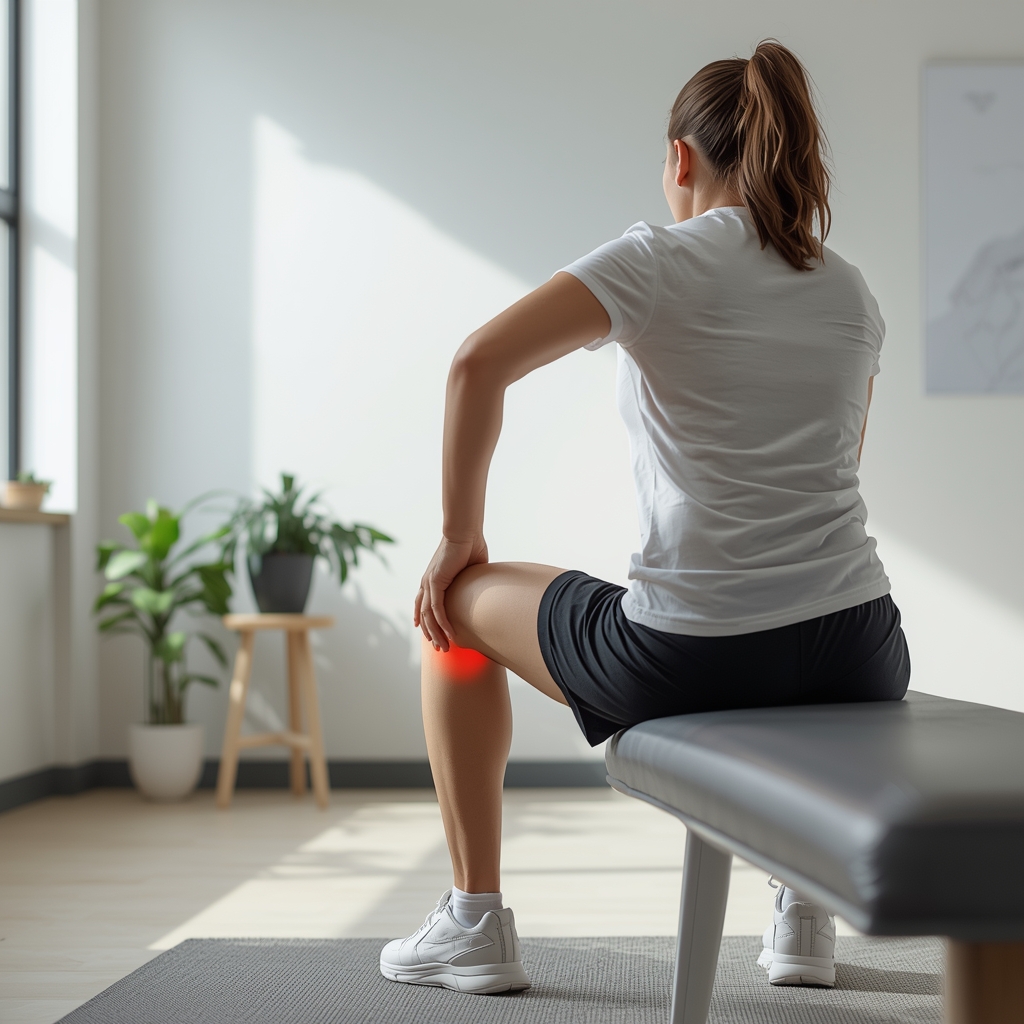
Understanding Patellofemoral Pain Syndrome in Runners
Patellofemoral pain syndrome (PFPS), often called runner’s knee, is a common condition causing pain around the kneecap. It typically results from overuse, biomechanical imbalances, or muscle weakness. Runners are particularly susceptible due to repetitive stress on the knee joint. Manual therapies aim to alleviate pain, improve joint function, and address underlying causes. While various treatments exist, evidence-based approaches focus on techniques that target musculoskeletal imbalances and promote natural healing. This article explores manual therapies supported by research, emphasizing their role in managing PFPS effectively.
Chiropractic Adjustments and Joint Mobilization
Chiropractic adjustments and joint mobilization techniques are frequently used to address PFPS. These manual therapies aim to restore proper alignment and movement in the knee, hip, and lower back, which can influence patellar tracking. Research suggests that spinal and extremity adjustments may reduce pain and improve functional outcomes by alleviating nerve irritation and enhancing joint mechanics. However, evidence remains mixed, with some studies showing modest benefits. A chiropractor can assess individual needs and determine if adjustments are appropriate, often as part of a broader treatment plan.
Soft Tissue Therapies for Muscle Imbalances
Soft tissue therapies, such as Active Release Technique (ART) and myofascial release, target tight or injured muscles and connective tissues around the knee. These methods can relieve tension in the quadriceps, hamstrings, and iliotibial band, which often contribute to PFPS. By improving flexibility and reducing muscle imbalances, soft tissue therapies may enhance knee stability and reduce pain. While anecdotal evidence supports their use, more rigorous studies are needed to confirm long-term efficacy. A qualified provider can tailor these techniques to individual conditions.
Manual Therapy for Biomechanical Correction
Manual therapies often address biomechanical factors like foot pronation, hip weakness, or gait abnormalities that contribute to PFPS. Techniques such as joint mobilization, muscle energy, and proprioceptive training can improve alignment and movement patterns. For example, addressing hip or ankle dysfunction may reduce compensatory stresses on the knee. Research highlights the importance of a holistic approach, combining manual therapy with exercise and lifestyle modifications. A chiropractor can identify biomechanical issues and recommend targeted interventions to support recovery.
Evidence-Based Considerations and Limitations
While manual therapies show promise for PFPS, their effectiveness varies based on individual factors and technique application. Evidence-based practices emphasize patient-specific assessments and integration with other treatments, such as strengthening exercises or physical therapy. Some studies suggest that manual therapies alone may not resolve PFPS, underscoring the need for comprehensive care. Patients should consult a licensed chiropractor to discuss their options, as self-treatment risks may outweigh benefits. Ongoing research continues to refine best practices for manual interventions in knee conditions.
Integrating Manual Therapies with Holistic Care
Manual therapies are most effective when combined with other evidence-based strategies, such as exercise, orthotics, or activity modification. For runners, addressing training habits and footwear is critical. A chiropractor may recommend corrective exercises to strengthen weak muscles or suggest gait analysis to identify inefficiencies. This integrative approach ensures that manual therapies address both symptoms and root causes. By working with a qualified provider, patients can develop a personalized plan that supports long-term knee health and prevents recurrence of PFPS.














