
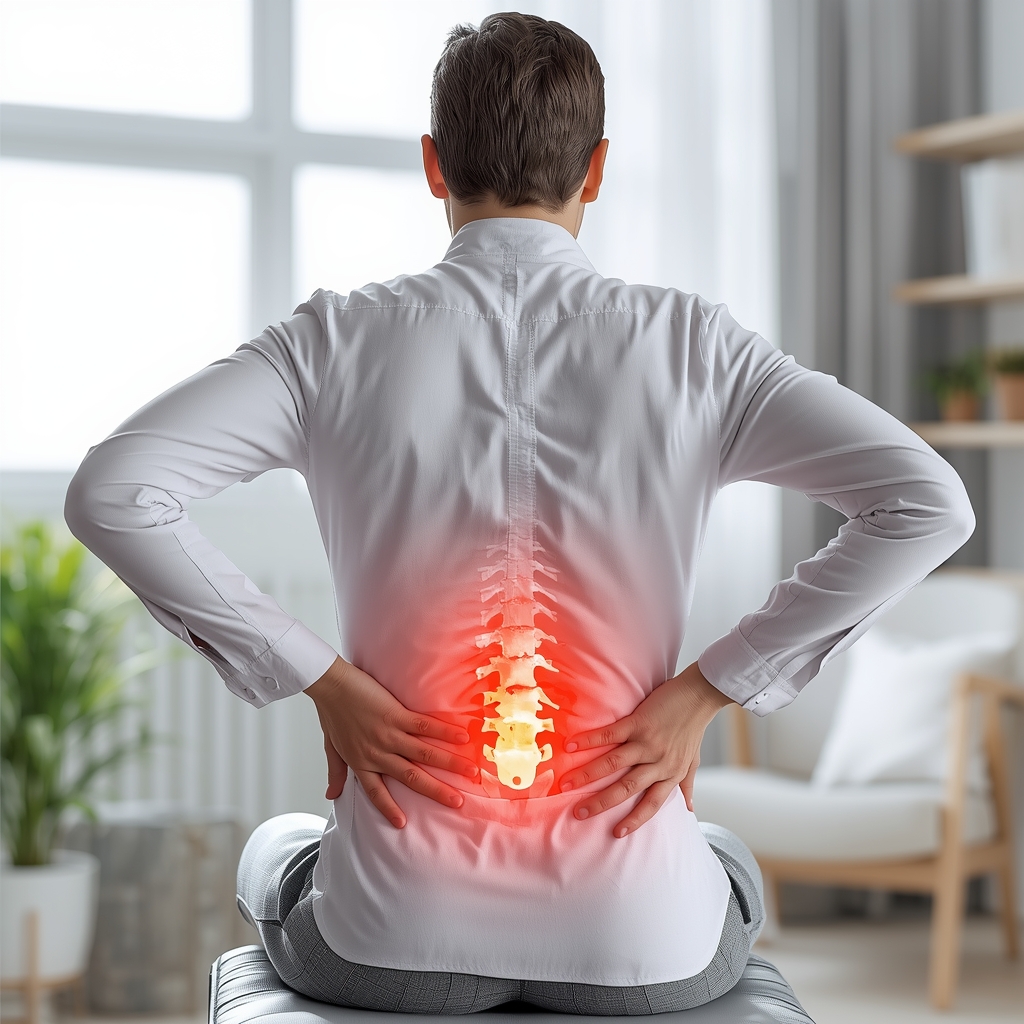
Non-Surgical Chiropractic Approaches for Lumbar Disc Herniations
Managing lumbar disc herniations with sciatica often involves non-surgical strategies that prioritize reducing nerve compression and alleviating pain. Chiropractic care focuses on spinal alignment, soft tissue health, and functional restoration. These protocols are typically tailored to individual needs and may include a combination of techniques. While results vary, many patients find relief through conservative methods. Always consult a licensed chiropractor to determine the most appropriate plan for your condition.
Spinal Manipulation and Adjustments
Spinal adjustments are a cornerstone of chiropractic care for disc herniations. By gently realigning the spine, chiropractors aim to reduce pressure on affected nerves and improve mobility. This technique may help alleviate sciatic pain by addressing misalignments that contribute to nerve irritation. Adjustments are often part of a broader treatment plan, combined with other therapies. Patients should expect a gradual improvement, with sessions typically spaced over several weeks. The goal is to restore balance to the musculoskeletal system while avoiding invasive procedures.
Decompression Therapy for Disc Relief
Spinal decompression therapy is a non-surgical option that uses mechanical traction to relieve pressure on herniated discs. This method gently stretches the spine, creating negative pressure that may help reposition bulging discs and reduce nerve compression. It is often used for conditions like sciatica, where nerve irritation causes radiating pain. Sessions are usually performed on a specialized table, and the process is non-invasive. While not a standalone solution, decompression therapy can complement other chiropractic techniques to enhance recovery and minimize discomfort.
Soft Tissue Therapies for Muscle Relief
Soft tissue therapies address muscle tension and adhesions that may exacerbate sciatic pain. Techniques like Active Release Technique (ART) or Graston Therapy target tight muscles and connective tissues surrounding the spine. By improving flexibility and reducing inflammation, these methods can alleviate pressure on nerves and enhance mobility. Chiropractors often integrate soft tissue work with spinal adjustments for a holistic approach. Patients may experience immediate relief, though multiple sessions are typically needed for lasting results. This therapy is particularly useful for addressing secondary pain sources linked to disc herniations.
Corrective Exercises and Rehabilitation
Customized exercise programs are essential for long-term management of lumbar disc herniations. Chiropractors may recommend corrective exercises to strengthen core muscles, improve posture, and stabilize the spine. These exercises are designed to reduce strain on discs and prevent future episodes. Activities like yoga, Pilates, or low-impact aerobics may be suggested, depending on the patient’s condition. Consistency is key, as strengthening the supporting musculature helps maintain spinal health. Always follow a chiropractor’s guidance to ensure exercises are safe and effective for your specific situation.
Integrative Care for Comprehensive Relief
Combining multiple non-surgical approaches often yields the best outcomes for sciatica and disc herniations. A chiropractor may integrate spinal adjustments, decompression therapy, soft tissue work, and exercise recommendations into a cohesive plan. Lifestyle modifications, such as ergonomic adjustments or weight management, may also play a role. This multidisciplinary strategy addresses both structural and functional aspects of the condition. Regular follow-ups allow for adjustments to the treatment plan as progress is made. The focus remains on minimizing pain, restoring function, and avoiding the need for surgery.












