
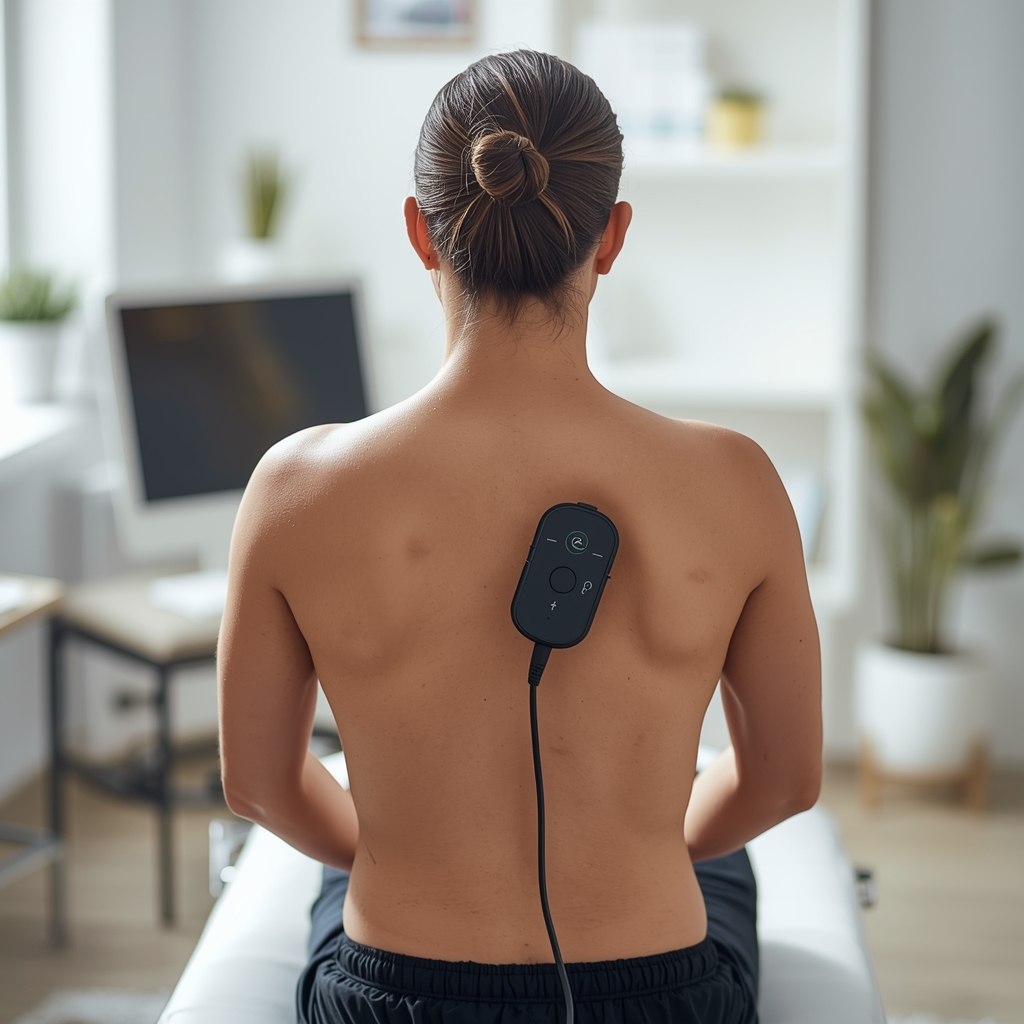
Understanding Handheld Muscle Stimulators in Chiropractic Care
Handheld muscle stimulators are portable devices that deliver electrical impulses to target muscles, promoting relaxation, reducing tension, and improving blood flow. These tools are increasingly used in outpatient chiropractic settings to complement spinal adjustments. By stimulating muscle fibers, they help address muscular imbalances that may contribute to spinal misalignments. While not a substitute for manual adjustments, they support the body’s natural healing processes. Chiropractors often use them to prepare muscles for adjustment, ease post-treatment soreness, or address chronic pain patterns. Their non-invasive nature makes them a valuable addition to integrative care plans, offering patients a way to manage discomfort between visits.
Enhancing Spinal Adjustments Through Muscle Activation
Spinal adjustments aim to restore proper alignment and function to the vertebral column. However, tight or weakened muscles can hinder the effectiveness of these adjustments. Handheld stimulators target specific muscle groups, helping to relax overactive muscles or strengthen underactive ones. This pre-adjustment preparation can make adjustments more comfortable and effective. For example, stimulating the paraspinal muscles before an adjustment may reduce resistance, allowing for smoother realignment. Post-adjustment use can also help stabilize the spine by reinforcing neuromuscular control. When used strategically, these devices create a synergistic effect, enhancing the overall benefits of chiropractic care without replacing hands-on techniques.
Accelerating Recovery from Musculoskeletal Injuries
Patients recovering from injuries like sprains, strains, or post-surgical conditions often benefit from muscle stimulators. These devices can reduce inflammation, alleviate pain, and promote tissue repair by increasing circulation and oxygen delivery to affected areas. When combined with spinal adjustments, they address both structural and soft-tissue components of recovery. For instance, a patient with a herniated disc might receive adjustments to realign the spine while using a stimulator to ease surrounding muscle spasms. This dual approach can shorten healing time and improve functional outcomes. Chiropractors may recommend home use of these tools to maintain progress between visits, ensuring continuous support for the body’s recovery mechanisms.
Managing Chronic Pain and Muscle Tension
Chronic pain conditions, such as fibromyalgia or myofascial pain syndrome, often involve persistent muscle tension and hypersensitivity. Handheld stimulators provide a targeted way to manage these issues by modulating nerve signals and releasing endorphins. When paired with spinal adjustments, they help break the cycle of pain and compensatory movement patterns. For example, a patient with chronic lower back pain might receive adjustments to correct spinal misalignments while using a stimulator to relax tight lumbar muscles. This combined strategy can reduce reliance on medications and offer long-term relief. Chiropractors tailor stimulator settings to individual needs, ensuring a safe and effective approach to pain management.
Improving Patient Engagement and Home Care
Handheld muscle stimulators empower patients to take an active role in their recovery. Their ease of use makes them ideal for home care, allowing individuals to apply treatments between chiropractic visits. This consistency can reinforce the benefits of in-office adjustments and promote faster progress. Patients often appreciate the convenience and control these devices offer, which can improve adherence to treatment plans. Chiropractors may provide guidance on proper technique and frequency of use, ensuring safety and effectiveness. By integrating stimulators into home routines, patients gain a sense of agency in their healing journey, which can positively impact overall outcomes and satisfaction with care.
Considerations for Safe and Effective Use
While handheld muscle stimulators are generally safe, proper use is essential to avoid adverse effects. Patients should consult their chiropractor before starting any new therapy to ensure it aligns with their specific condition. Certain contraindications, such as pregnancy, pacemaker use, or open wounds, may limit their application. Chiropractors can recommend appropriate devices and settings based on individual needs, emphasizing the importance of following professional guidelines. When used correctly, these tools enhance recovery without posing risks. They remain a supportive adjunct to spinal adjustments, not a replacement for hands-on care. Open communication between patients and providers ensures the best results while maintaining safety and efficacy.














