
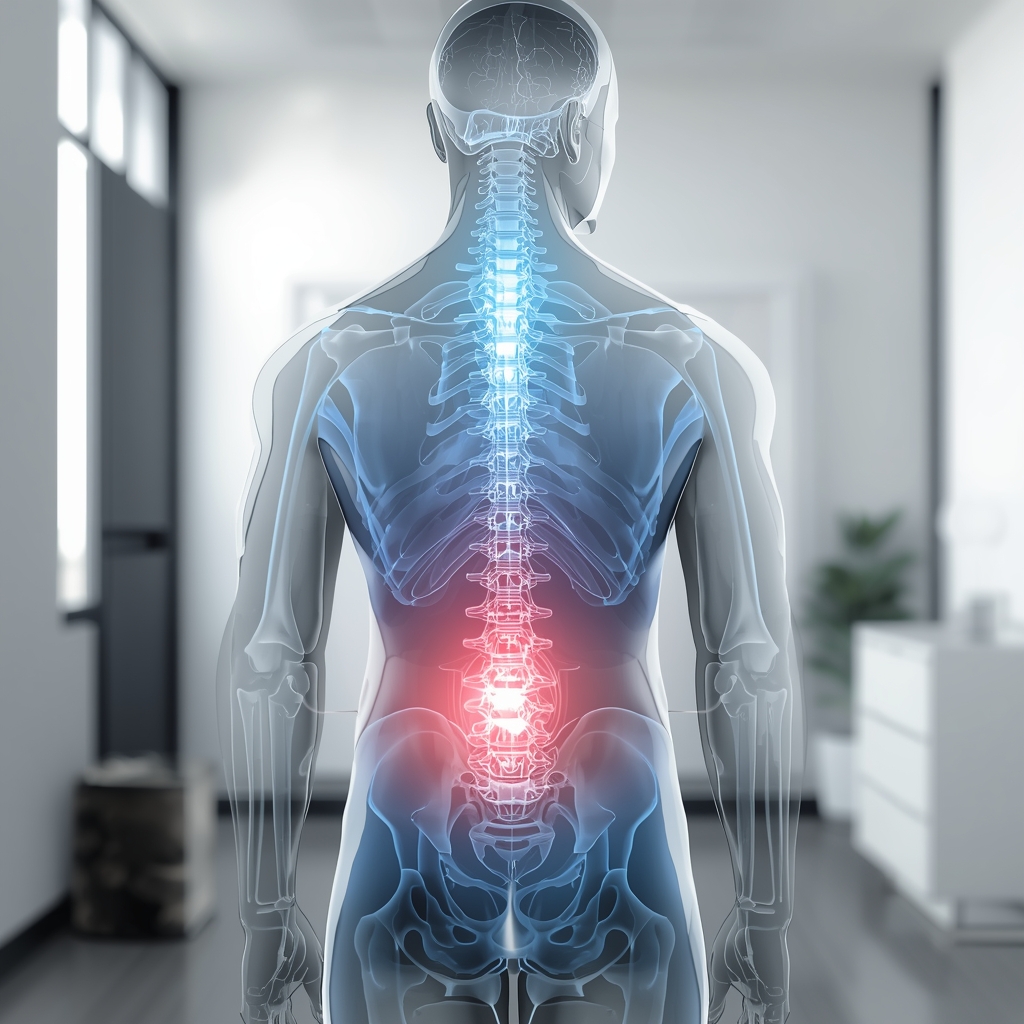
Understanding Acute Musculoskeletal Injuries
Acute musculoskeletal injuries, such as sprains, strains, and minor fractures, often result from sudden trauma or overuse. These conditions typically involve soft tissues, bones, or joints and can cause pain, limited mobility, and inflammation. While both chiropractic care and physical therapy aim to restore function and reduce discomfort, their approaches differ. Chiropractic care focuses on spinal alignment and musculoskeletal adjustments, whereas physical therapy emphasizes strengthening, flexibility, and movement retraining. Understanding the nuances of each modality helps determine which may be more suitable for specific injuries.
Chiropractic Care Approaches
Chiropractic care for acute injuries often involves spinal adjustments, manual therapies, and soft tissue techniques to alleviate pain and restore mobility. Chiropractors may use high-velocity, low-amplitude adjustments to realign the spine or joints, which can reduce nerve irritation and improve function. For injuries involving the spine, such as whiplash or lower back strains, these interventions may provide rapid relief. Chiropractors also address musculoskeletal imbalances that could contribute to prolonged recovery. However, their scope is typically limited to the musculoskeletal system, excluding deeper tissue repair or progressive rehabilitation strategies.
Physical Therapy Interventions
Physical therapy focuses on restoring movement, strength, and function through targeted exercises, manual therapy, and modalities like heat or electrical stimulation. For acute injuries, PTs design personalized programs to prevent stiffness, enhance circulation, and rebuild muscle support. They may use techniques such as ultrasound, traction, or therapeutic exercises to address specific deficits. Physical therapy is particularly effective for injuries requiring long-term functional improvement, such as ligament tears or post-surgical recovery. Its holistic approach often includes patient education on ergonomics and injury prevention, making it a versatile option for diverse musculoskeletal conditions.
When Chiropractic Shines
Chiropractic care may be more beneficial for acute injuries involving spinal misalignments, joint dysfunction, or nerve-related pain. For example, patients with acute lower back pain, herniated discs, or post-traumatic joint restrictions often find relief through spinal adjustments. Chiropractors also excel in addressing biomechanical issues that contribute to pain, such as gait abnormalities or posture-related strain. In cases where immediate pain reduction and mobility restoration are priorities, chiropractic interventions can offer quicker results. However, this modality is less suited for injuries requiring progressive muscle strengthening or complex rehabilitation protocols.
When Physical Therapy is Preferred
Physical therapy is often the preferred choice for acute injuries requiring structured rehabilitation, such as muscle strains, ligament sprains, or post-operative recovery. PTs focus on restoring range of motion, building strength, and preventing re-injury through progressive exercise programs. For conditions like rotator cuff injuries or ankle sprains, physical therapy addresses both the affected area and surrounding musculature to ensure balanced recovery. It is also critical for patients needing long-term functional restoration, such as those recovering from fractures or surgeries. While chiropractic care may complement PT, it is not a substitute for the targeted, progressive strategies physical therapists provide.
Collaborative Care and Decision-Making
The choice between chiropractic care and physical therapy depends on the injury’s nature, location, and individual needs. In some cases, a collaborative approach combining both modalities may yield the best outcomes. For instance, chiropractic adjustments could address spinal misalignments, while physical therapy targets muscle strength and flexibility. Patients should consult qualified providers to evaluate their condition and determine the most appropriate plan. Open communication with healthcare professionals ensures that treatments align with recovery goals, avoiding unnecessary delays or complications. Ultimately, both disciplines play vital roles in musculoskeletal health, and their integration often enhances patient outcomes.














