
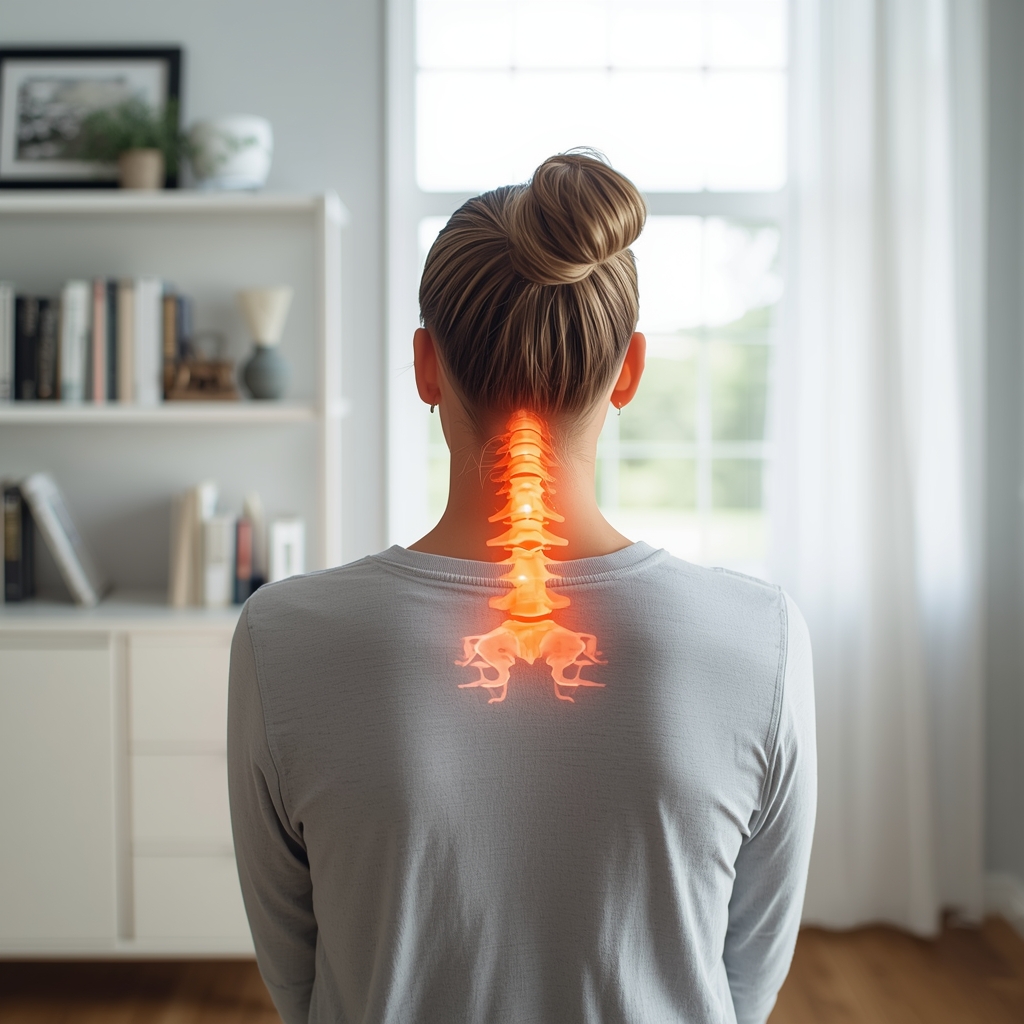
Understanding Whiplash-Associated Disorders
Whiplash-associated disorders (WAD) occur when the neck experiences rapid back-and-forth movement, often from auto accidents. This can strain muscles, ligaments, and nerves, leading to pain, stiffness, headaches, and reduced range of motion. While many recover within weeks, some develop chronic symptoms. Early intervention is key to preventing long-term complications. Chiropractic care, including cervical spine mobilization, is frequently explored as part of a comprehensive recovery plan. Understanding the role of targeted therapies helps patients make informed decisions about their care. Proper management focuses on restoring function, alleviating discomfort, and promoting natural healing processes.
What Is Cervical Spine Mobilization?
Cervical spine mobilization involves gentle, controlled movements of the neck joints to improve flexibility and reduce stiffness. Performed by trained professionals, this technique aims to restore normal motion patterns and alleviate pain. Unlike high-velocity adjustments, mobilization uses slower, rhythmic motions to address restrictions in the cervical spine. It is often used alongside other chiropractic methods, such as soft tissue therapy or exercise recommendations. By addressing mechanical dysfunctions, mobilization may help reduce inflammation and improve nerve function. Patients typically experience this as a non-invasive, low-risk option for managing WAD symptoms, though individual responses vary.
How Mobilization Aids Recovery
Cervical spine mobilization can play a supportive role in WAD recovery by addressing physical restrictions that hinder healing. By improving joint mobility, it may reduce pain and muscle tension, allowing for better movement and posture. Enhanced circulation to the affected area can also promote tissue repair. Many patients report improved range of motion and decreased discomfort after consistent sessions. However, mobilization is not a standalone solution—it works best as part of a broader treatment strategy. Combining it with exercises, ergonomic adjustments, and lifestyle modifications can optimize outcomes. Patients should discuss their specific needs with a chiropractor to determine if mobilization aligns with their recovery goals.
When Is Mobilization Recommended?
Cervical spine mobilization is typically considered after the acute phase of whiplash has passed, when initial inflammation and severe pain have subsided. It is often used to address lingering stiffness or limited mobility that affects daily activities. Chiropractors may recommend it as part of a phased approach, alongside other therapies like soft tissue work or rehabilitative exercises. The timing and frequency of sessions depend on the patient’s condition and response to treatment. While generally safe, mobilization is not suitable for all cases—such as those involving fractures or severe instability. A thorough evaluation by a qualified provider ensures it is used appropriately and effectively.
Safety and Considerations
When performed by a licensed chiropractor, cervical spine mobilization is considered a safe and effective treatment for many WAD patients. However, it is essential to avoid self-administering such techniques, as improper execution can worsen symptoms. Patients should disclose their full medical history, including any pre-existing conditions or medications, to ensure safety. While rare, potential side effects may include temporary soreness or increased discomfort. Regular communication with a chiropractor helps monitor progress and adjust the treatment plan as needed. Always consult a healthcare professional before starting any new therapy, especially after an injury like whiplash.
Integrating Mobilization with Other Treatments
Cervical spine mobilization is most effective when combined with other evidence-based approaches to WAD recovery. Physical therapy exercises, for example, can strengthen neck muscles and improve posture, complementing the mobility gains from mobilization. Pain management strategies, such as heat therapy or anti-inflammatory measures, may also enhance comfort during treatment. Chiropractors often tailor care plans to address individual needs, incorporating modalities like massage or ergonomic guidance. This integrative approach supports holistic healing, addressing both immediate symptoms and long-term functionality. Patients should work closely with their providers to create a cohesive plan that aligns with their goals and ensures safe, sustainable progress.













