
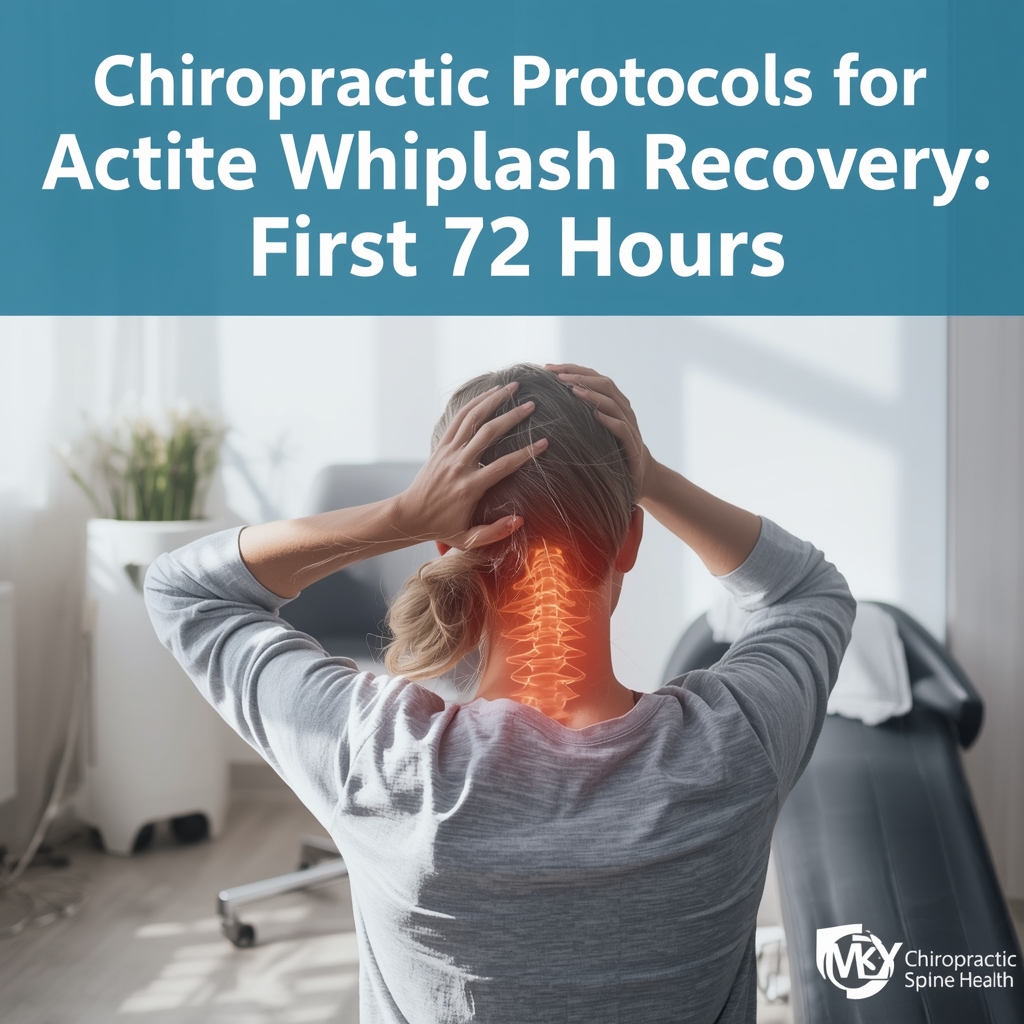
The Role of Early Intervention in Whiplash Recovery
Whiplash-associated disorders (WAD) often occur after sudden acceleration-deceleration forces, such as in car accidents. The first 72 hours are critical for minimizing long-term complications. Early chiropractic care may help reduce inflammation, restore mobility, and alleviate pain. A chiropractor typically begins with a thorough assessment to rule out severe injuries, then develops a plan focused on gentle interventions. This period is crucial for preventing chronic symptoms, as delayed treatment can lead to prolonged discomfort. Patients are advised to seek care promptly but should avoid aggressive manipulations that could worsen tissue damage. The goal is to stabilize the cervical spine while promoting natural healing processes.
Spinal Adjustments and Gentle Manipulation
Spinal adjustments are a cornerstone of chiropractic care for whiplash. However, in the acute phase, adjustments are typically performed with extreme caution to avoid further strain. Techniques like diversified or flexion-distraction may be used to realign the vertebrae and relieve pressure on nerves. These methods aim to restore normal joint function without forcing movement. Some practitioners may also employ mobilization techniques, which involve slow, controlled movements to improve range of motion. The focus is on reducing subluxations (misalignments) that contribute to pain and restricted mobility. Patients often report reduced stiffness and improved comfort after these interventions, though results vary based on injury severity and individual response.
Soft Tissue Therapies and Myofascial Release
Soft tissue injuries, such as strained muscles and ligaments, are common in whiplash. Chiropractors may use therapies like myofascial release, trigger point therapy, or Active Release Technique (ART) to address these issues. These methods target tight or damaged soft tissues to reduce pain and restore function. For example, myofascial release involves sustained pressure to release tension in the fascia, while ART focuses on breaking up adhesions. Such therapies can complement spinal adjustments by addressing secondary complications like muscle spasms. However, they are typically applied after initial swelling has subsided to avoid exacerbating inflammation. Patients often find these treatments helpful in regaining flexibility and reducing discomfort during recovery.
Modalities for Pain and Inflammation
Chiropractors may incorporate physical therapies to manage pain and inflammation in the acute phase. Cold laser therapy, for instance, uses low-level lasers to reduce swelling and stimulate cellular repair. Electrical stimulation, such as TENS units, can block pain signals and relax muscles. These modalities are often used alongside manual techniques to enhance outcomes. Heat therapy may also be introduced later to improve blood flow and ease stiffness. The choice of modality depends on the patient’s symptoms and the chiropractor’s clinical judgment. While these tools are not a substitute for manual care, they can provide immediate relief and support the body’s natural healing processes. Patients should discuss options with their provider to determine the most suitable approach.
Patient Education and Movement Guidance
Education plays a vital role in whiplash recovery. Chiropractors often teach patients proper posture, neck positioning, and gentle exercises to avoid further strain. For example, isometric exercises may help strengthen muscles without aggravating the injury. Patients are also advised to avoid activities that worsen symptoms, such as heavy lifting or prolonged screen time. Ergonomic adjustments, like using a supportive pillow, can aid in maintaining alignment during rest. Compliance with these recommendations is essential for optimal recovery. Additionally, patients may receive guidance on recognizing red flags, such as worsening pain or neurological symptoms, which require immediate medical attention. This proactive approach empowers individuals to take an active role in their healing.
Follow-Up and Progressive Care
Whiplash recovery is a dynamic process requiring ongoing evaluation. Chiropractors typically schedule follow-up visits to monitor progress and adjust the treatment plan as needed. In the first week, sessions may focus on symptom management and mobility improvement. As the acute phase subsides, care may shift toward strengthening and preventing recurrence. Patients might transition to home exercises or referrals for physical therapy. The duration of care varies, but many benefit from several weeks of structured treatment. It’s important to note that while chiropractic care can be highly effective, outcomes depend on factors like injury severity and adherence to recommendations. Open communication with the chiropractor ensures the care remains tailored to the patient’s evolving needs.














