
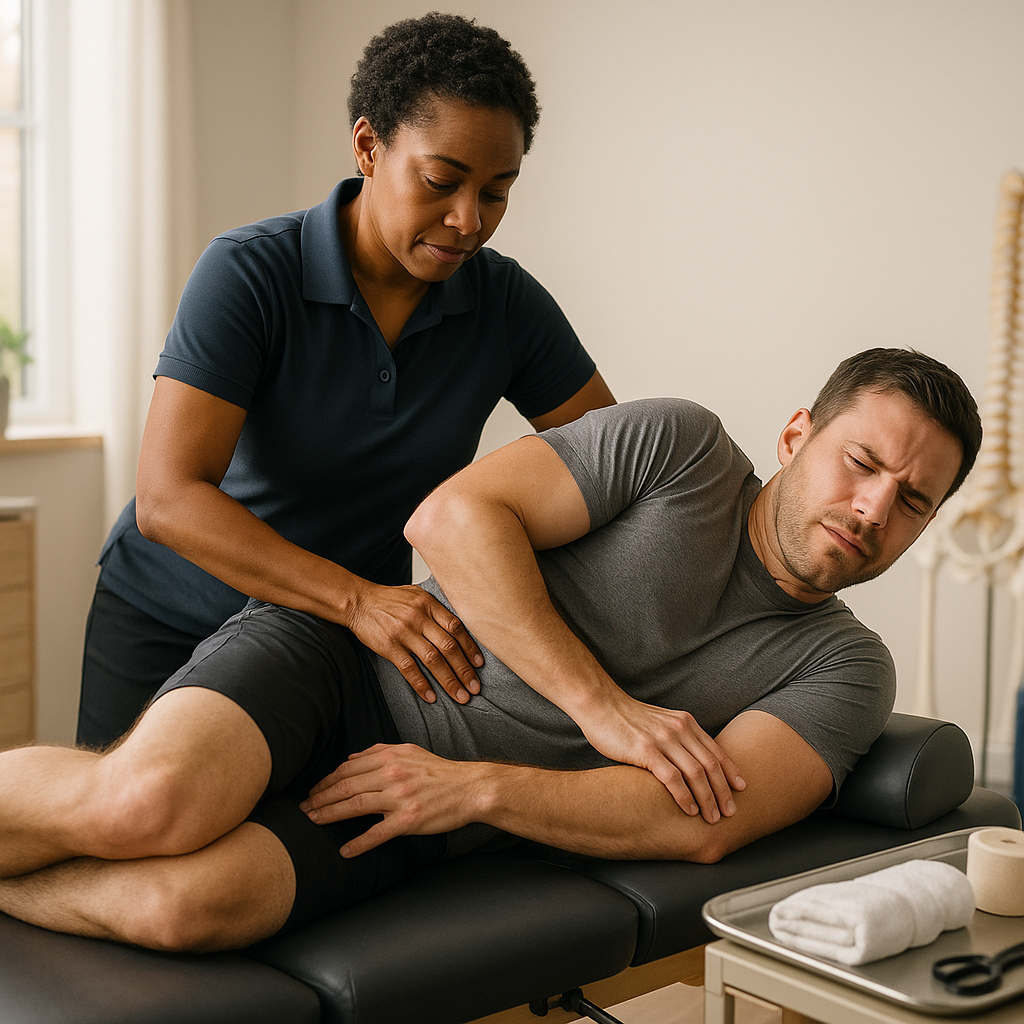
Understanding Chiropractic Protocols for Acute Injuries
When an injury occurs suddenly — whether from a sports collision, a workplace accident, or an unexpected fall — the body responds with inflammation, pain, and restricted movement. Seeking acute injury chiropractic care early in the recovery process can significantly influence how quickly and completely a patient heals. Chiropractors are trained to assess new injuries, reduce immediate discomfort, and establish structured care plans that address both symptoms and underlying structural concerns.
This article outlines the standard chiropractic protocols used for acute injuries, what patients can expect during their first visits, and why early intervention often leads to better long-term outcomes.
What Qualifies as an Acute Injury?
An acute injury is one that occurs suddenly and presents with immediate symptoms such as sharp pain, swelling, bruising, or significant loss of range of motion. These injuries typically arise from a specific incident and are generally less than 72 hours old at the time of first presentation. Common examples include:
- Whiplash from motor vehicle accidents
- Sports-related sprains and strains
- Workplace injuries involving lifting or repetitive motion
- Slip and fall accidents
- Direct trauma to the spine or extremities
Distinguishing an acute injury from a chronic condition is essential because the treatment approach differs considerably. New injury chiropractic protocols prioritize reducing inflammation, protecting injured tissues, and restoring controlled movement — not aggressive manipulation.
The Initial Assessment: What to Expect on Your First Visit
When a patient presents with a recent injury, the chiropractor’s first priority is a thorough clinical evaluation. This assessment forms the foundation of any effective acute pain chiropractic protocol. During the initial visit, the chiropractor will typically:
- Conduct a detailed intake of the injury history, including how, when, and where it occurred
- Perform a postural and orthopedic examination to identify areas of structural compromise
- Assess neurological function, including reflexes, sensation, and muscle strength
- Order or review diagnostic imaging such as X-rays or MRIs when necessary
- Evaluate the range of motion of affected joints and soft tissues
This comprehensive evaluation allows the chiropractor to determine the severity of the injury, rule out fractures or serious pathology, and design a treatment plan tailored specifically to the patient’s current condition.
Phase One: Immediate Injury Treatment and Symptom Management
The first phase of care focuses on immediate injury treatment — managing pain, controlling inflammation, and protecting the injured area from further damage. During this phase, which typically spans the first one to two weeks following injury, treatment is conservative and carefully applied.
Soft Tissue Therapy
Gentle soft tissue techniques are often employed in the acute stage to reduce muscle tension and promote circulation without stressing injured structures. These may include:
- Myofascial release to address fascial restrictions
- Trigger point therapy for localized muscle spasm
- Instrument-assisted soft tissue mobilization (IASTM) in appropriate cases
Therapeutic Modalities
Chiropractors frequently use evidence-based modalities during the acute phase to complement hands-on care. Common options include:
- Ice and cryotherapy to limit swelling and numb acute pain
- Electrical stimulation (such as TENS or interferential current) to reduce pain signals and muscle spasm
- Ultrasound therapy to promote tissue healing at a cellular level
- Kinesiology taping to provide support while allowing natural movement
Spinal Adjustments — Applied with Care
Many patients wonder whether spinal manipulation is appropriate immediately after an injury. The answer depends entirely on the nature and severity of the injury. In many acute cases, light mobilization techniques — rather than high-velocity adjustments — are used to gently restore joint movement without aggravating inflamed tissues. As swelling subsides and the tissue heals, more specific adjustments may be introduced progressively.
Phase Two: Restoring Function and Range of Motion
Once the acute inflammatory response begins to resolve — generally between the second and fourth week — the focus of care transitions toward restoring normal joint mechanics and tissue function. This phase of the acute injury chiropractic protocol includes more active interventions.
Chiropractic Adjustments
With reduced inflammation and improved tissue tolerance, the chiropractor may introduce spinal or extremity adjustments targeted at joints that are restricted or misaligned as a result of the injury. These adjustments aim to restore proper biomechanics, reduce nerve irritation, and improve the overall function of the musculoskeletal system.
Rehabilitative Exercises
Prescribed therapeutic exercises are a cornerstone of this phase. The chiropractor or an associated rehabilitation specialist may recommend:
- Gentle stretching routines to restore flexibility
- Stabilization exercises targeting the deep postural muscles
- Progressive strengthening protocols to rebuild tissue resilience
- Proprioceptive training to improve coordination and body awareness
These exercises are designed to be performed both in the clinic and at home, ensuring consistent progress between appointments.
Additional Resources
- NIH overview of spinal manipulation
- American Chiropractic Association patient resources
- CDC/NIOSH ergonomics resources
- What is the chiropractic approach to injury prevention in sports?
- What are the chiropractic treatments for sports injuries?
- What is the role of chiropractic in auto injury recovery?













