
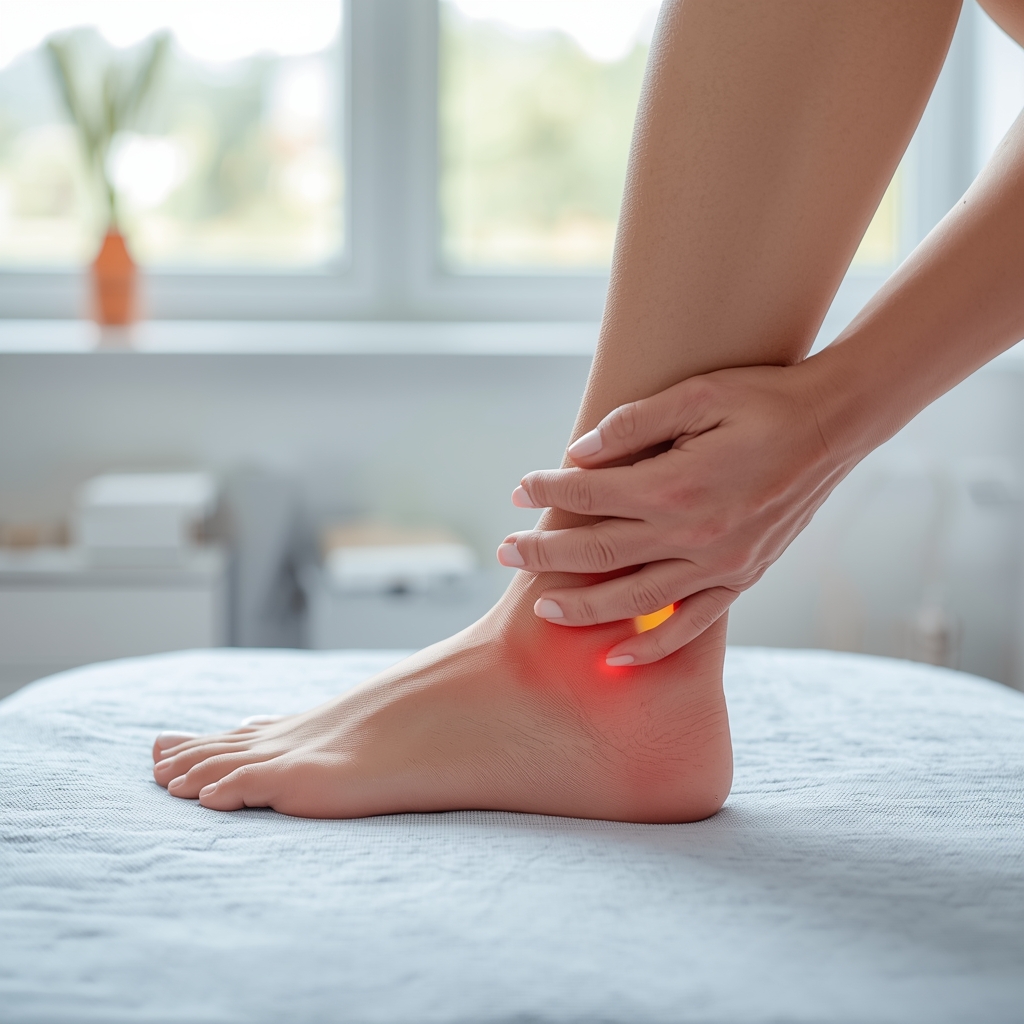
Introduction to Cold Laser Therapy and Acupuncture for Ankle Sprains
Cold laser therapy and traditional acupuncture are two distinct approaches used in managing acute ankle sprains. Cold laser therapy, also known as low-level laser therapy (LLLT), uses specific wavelengths of light to stimulate cellular function and reduce inflammation. Acupuncture, rooted in traditional Chinese medicine, involves inserting thin needles into specific points on the body to promote natural healing. Both methods aim to alleviate pain and accelerate recovery, but they operate through different mechanisms. While cold laser therapy focuses on photobiomodulation, acupuncture targets energy pathways (meridians) to restore balance. Understanding their differences helps patients and practitioners choose the most suitable option for injury recovery. Neither therapy replaces conventional medical care, but they may complement it when used under professional guidance.
How Cold Laser Therapy Works for Ankle Sprains
Cold laser therapy is thought to reduce inflammation and pain by stimulating mitochondrial activity in cells, which enhances ATP production and promotes tissue repair. This non-invasive treatment is applied directly to the affected area, with sessions typically lasting 5–15 minutes. For acute ankle sprains, it may help minimize swelling and improve blood flow, potentially speeding up recovery. Research suggests it could be beneficial for musculoskeletal injuries, though evidence remains inconclusive. Some studies note reduced pain scores in patients using LLLT, but larger, well-controlled trials are needed. Practitioners often recommend multiple sessions over several days. While generally safe, it should be administered by trained professionals to avoid misuse. Its appeal lies in being drug-free and non-invasive, making it a popular choice for those seeking alternative therapies.
Acupuncture’s Role in Treating Ankle Sprain Symptoms
Acupuncture addresses ankle sprains by stimulating specific points to reduce pain and inflammation. According to traditional theory, it balances the body’s energy (qi) and improves circulation. Modern research suggests it may trigger the release of endorphins and other pain-relieving chemicals. For acute sprains, acupuncture could help manage discomfort and support the body’s natural healing processes. However, its effectiveness for musculoskeletal injuries varies, with some studies showing mixed results. The procedure involves inserting thin needles, which may cause mild discomfort but is generally well-tolerated. Sessions usually last 20–40 minutes, and multiple treatments might be needed. While acupuncture is often used alongside other therapies, its role in acute injury recovery remains under investigation. Patients should seek licensed practitioners to ensure safety and efficacy.
Evidence and Research on Both Therapies
Research on cold laser therapy (LLLT) for acute ankle sprains is ongoing, with some studies indicating potential benefits in reducing pain and swelling. However, results are inconsistent, and more rigorous trials are needed to establish definitive guidelines. Acupuncture’s effectiveness for musculoskeletal injuries is similarly debated, with some evidence supporting its use for pain management. A 2021 review noted that acupuncture might help with short-term pain relief but highlighted the need for further research. Both therapies lack large-scale, double-blind studies, making it difficult to compare their efficacy directly. Factors like treatment duration, practitioner skill, and individual patient responses likely influence outcomes. While some patients report symptom improvement, these therapies should not replace standard care. Consulting a healthcare provider is essential to determine the best approach for each case.
Comparing Patient Experiences and Preferences
Patient experiences with cold laser therapy and acupuncture for ankle sprains vary widely. Cold laser therapy is often praised for its non-invasive nature and lack of pain during treatment, making it appealing to those wary of needles. Acupuncture, while effective for some, may cause temporary discomfort from needle insertion. Some individuals prefer acupuncture for its holistic approach, while others favor the technological aspect of laser therapy. Treatment frequency and duration also influence satisfaction—LLLT sessions are typically shorter, whereas acupuncture may require multiple visits. Cultural beliefs and previous experiences with alternative medicine shape preferences. However, both therapies are generally considered safe when administered by qualified professionals. Patient feedback underscores the importance of personalized care, as what works for one person may not suit another.
Integrating Both Therapies into a Comprehensive Recovery Plan
Combining cold laser therapy and acupuncture with conventional treatments like rest, ice, compression, and elevation (RICE) may enhance recovery for acute ankle sprains. Cold laser therapy’s anti-inflammatory effects could complement acupuncture’s pain-relieving properties, creating a multi-faceted approach. Physical therapy and mobility exercises might also be integrated to restore function. However, patients should consult a chiropractor or healthcare provider before combining therapies to avoid conflicts or overuse. Some practitioners recommend starting with one modality and assessing results before adding others. Safety is paramount, as improper use of lasers or needles could worsen injuries. While both therapies show promise, their role in recovery remains supplementary. A tailored plan, developed with professional guidance, ensures the safest and most effective path to healing.














