
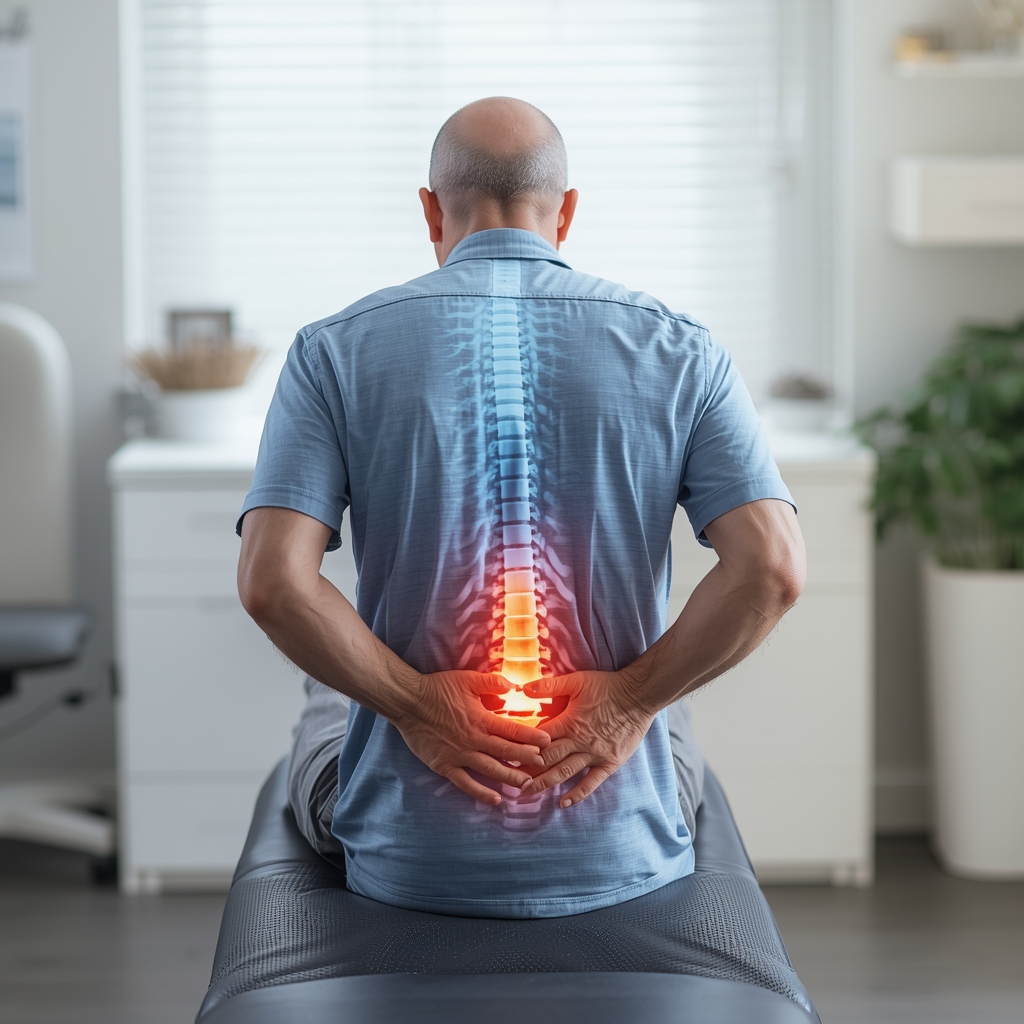
Understanding Lumbar Spinal Stenosis in Older Adults
Lumbar spinal stenosis occurs when the spinal canal in the lower back narrows, compressing nerves and causing pain, numbness, or weakness in the legs. This condition is common in older adults due to age-related changes like disc degeneration, bone spurs, or thickened ligaments. Symptoms often worsen with standing or walking and improve when sitting or bending forward. While surgery is an option for severe cases, many seek non-invasive approaches like chiropractic care to manage discomfort. Chiropractors focus on improving spinal alignment and function, which may alleviate pressure on nerves and enhance mobility. However, it’s crucial to consult a qualified provider to ensure techniques are safe and appropriate for individual needs.
Spinal Manipulation and Adjustments
Spinal manipulation, a cornerstone of chiropractic care, involves manual adjustments to restore proper alignment and mobility to the spine. For lumbar stenosis, these adjustments may help reduce nerve compression and improve range of motion. While research on its direct efficacy for stenosis is limited, many patients report reduced pain and better function after sessions. Chiropractors tailor techniques to the patient’s condition, avoiding excessive force in older adults with fragile bones or other health concerns. It’s important to note that adjustments alone may not resolve stenosis but could complement other therapies. Always seek a licensed chiropractor with experience in geriatric care to minimize risks and ensure personalized treatment.
Decompression Therapy for Nerve Relief
Spinal decompression therapy uses mechanical traction to gently stretch the spine, creating negative pressure that may relieve nerve compression. This non-surgical approach is often used for conditions like herniated discs or stenosis, aiming to reduce pain and inflammation. For older adults, decompression can be a gentler alternative to manual adjustments, targeting specific areas of the lumbar spine. While some studies suggest it may improve symptoms, results vary, and it’s typically part of a broader treatment plan. Chiropractors may combine decompression with other methods, such as soft tissue work or exercise, to maximize benefits. Patients should discuss potential risks, such as temporary discomfort, and ensure the therapy is administered by a trained professional.
Soft Tissue Therapy and Myofascial Release
Soft tissue therapy, including techniques like Active Release Technique (ART) or myofascial release, addresses muscle tension and scar tissue that may contribute to spinal stenosis symptoms. Tight muscles around the lower back can exacerbate nerve compression, so releasing these areas may improve mobility and reduce pain. Chiropractors often use manual pressure, stretching, or specialized tools to target affected tissues. This approach is particularly beneficial for older adults with chronic muscle stiffness or postural imbalances. While not a cure, soft tissue work can enhance the effectiveness of spinal adjustments and other therapies. As with all treatments, it should be performed by a licensed practitioner to avoid injury and ensure proper technique.
Integrating Chiropractic Care with Other Strategies
Chiropractic techniques are often most effective when combined with complementary approaches. For lumbar stenosis, this might include physical therapy exercises to strengthen core muscles, ergonomic adjustments for daily activities, or anti-inflammatory lifestyle changes. Chiropractors may also recommend low-impact exercises like swimming or walking to improve circulation and flexibility. A holistic plan could address both structural and functional aspects of the condition, such as posture, gait, and muscle balance. Patients should work closely with their chiropractor to coordinate care with other healthcare providers, ensuring a safe and cohesive strategy. Open communication about symptoms and progress helps tailor the approach to individual needs and goals.
Safety Considerations for Older Adults
Older adults with lumbar stenosis require careful consideration when exploring chiropractic care. Conditions like osteoporosis or cardiovascular issues may influence the safety of certain techniques. Chiropractors should conduct thorough assessments before recommending treatments, avoiding high-velocity adjustments if needed. Patients should disclose all medical history, medications, and current treatments to minimize risks. While chiropractic care is generally safe, it’s essential to choose a provider experienced in geriatric care and to monitor for any adverse reactions. Regular follow-ups allow for adjustments to the treatment plan as symptoms evolve. Ultimately, a collaborative approach between the patient, chiropractor, and other healthcare professionals ensures the best outcomes.













