
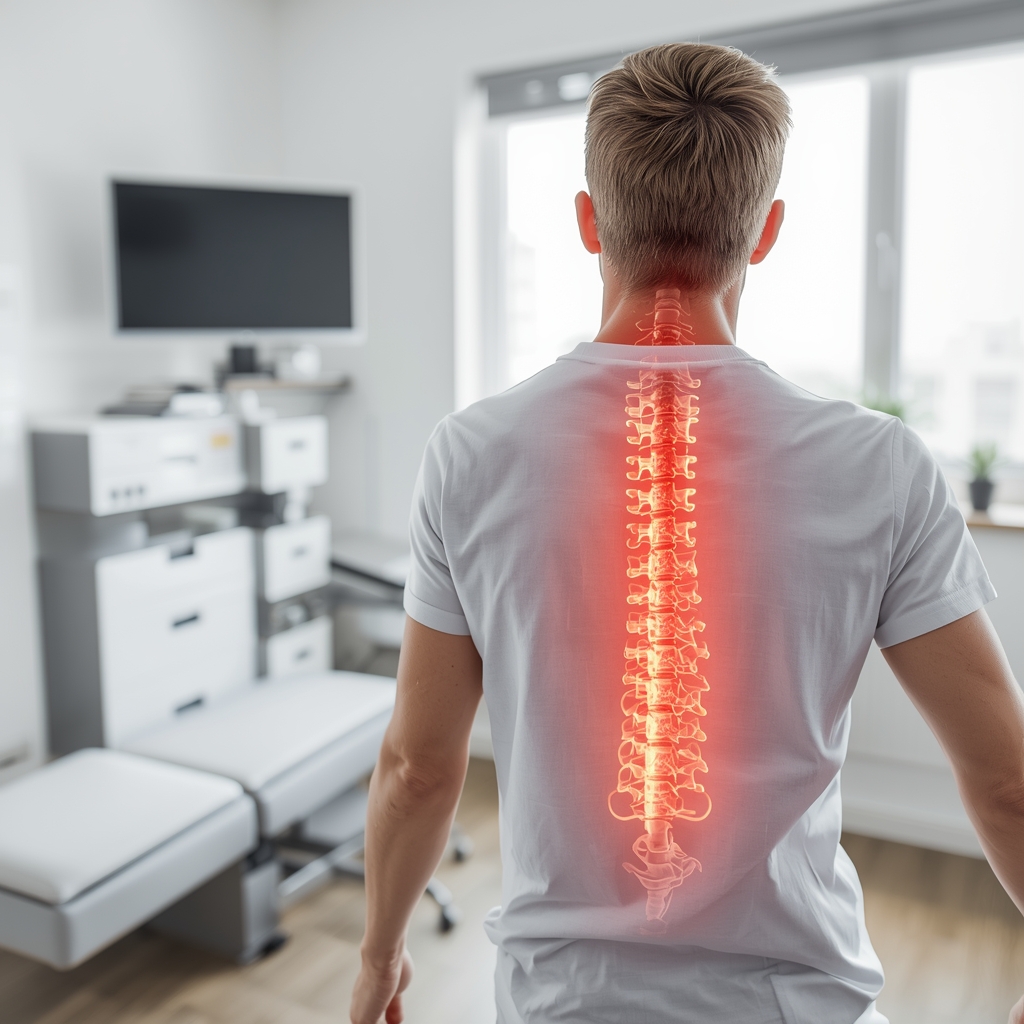
Current Research Trends in Spinal Decompression Therapy
Recent studies in chiropractic research have focused on refining spinal decompression techniques to address herniated discs more effectively. Researchers are exploring how controlled, non-surgical spinal traction can alleviate pressure on compressed nerves and promote disc rehydration. While traditional decompression methods have been used for decades, newer approaches emphasize personalized treatment protocols based on patient-specific imaging and biomechanical assessments. These advancements aim to improve outcomes by targeting the root causes of disc-related pain rather than just managing symptoms. The integration of real-time feedback systems during decompression sessions is also being investigated to ensure optimal force application and patient comfort.
Technological Innovations in Decompression Equipment
Modern chiropractic practices are adopting advanced decompression devices that offer greater precision and safety. These technologies often include computerized systems capable of adjusting traction forces dynamically during sessions. Some devices incorporate pressure sensors and motion analysis to tailor decompression to a patient’s unique spinal structure. This level of customization may enhance treatment efficacy while minimizing the risk of adverse effects. Additionally, portable decompression tools are being developed for at-home use under professional guidance, expanding access to care. However, practitioners caution that these tools should complement, not replace, in-office evaluations by licensed chiropractors.
Evidence-Based Outcomes and Patient Feedback
Emerging research highlights the potential benefits of spinal decompression for herniated discs, though results vary among individuals. Studies suggest that patients often experience reduced pain and improved mobility after a series of decompression sessions, particularly when combined with other conservative therapies. Long-term follow-up data indicates that some patients avoid surgical interventions by opting for decompression-based care. However, researchers emphasize the need for larger, randomized trials to establish definitive efficacy. Patient testimonials frequently cite enhanced quality of life and reduced reliance on pain medications, but these reports should be interpreted alongside clinical findings rather than as standalone evidence.
Integration With Adjacent Therapies and Modalities
Chiropractors are increasingly combining spinal decompression with complementary treatments to address herniated discs holistically. Techniques such as soft tissue therapy, corrective exercises, and postural retraining are often integrated to support decompression outcomes. For example, strengthening core muscles can stabilize the spine and reduce disc pressure over time. Additionally, modalities like cold laser therapy or electrical stimulation may be used to reduce inflammation and accelerate healing. This multidisciplinary approach reflects a growing emphasis on comprehensive care, though patients should consult their providers to determine the most appropriate combination of therapies for their condition.
Safety Considerations and Risk Mitigation
While spinal decompression is generally considered safe when performed by trained professionals, researchers continue to evaluate potential risks. Common side effects include temporary soreness or mild discomfort, but serious complications are rare. Studies stress the importance of thorough patient screening to identify contraindications, such as severe osteoporosis or spinal instability. Chiropractors are advised to monitor patients closely during treatment and adjust protocols as needed. Patients should always discuss their medical history with their provider before starting decompression therapy to ensure it aligns with their specific health needs and goals.
Future Directions in Herniated Disc Research
Future research is likely to focus on optimizing decompression techniques through advanced imaging and biometric data. Investigators are exploring how factors like disc hydration levels and nerve root mobility influence treatment responses. There is also growing interest in understanding the long-term structural changes associated with decompression therapy. As the field evolves, collaborations between chiropractors, orthopedic specialists, and researchers may lead to standardized guidelines for care. Patients seeking decompression for herniated discs are encouraged to stay informed about these developments and consult with qualified providers to explore the most up-to-date, evidence-based options available.














