
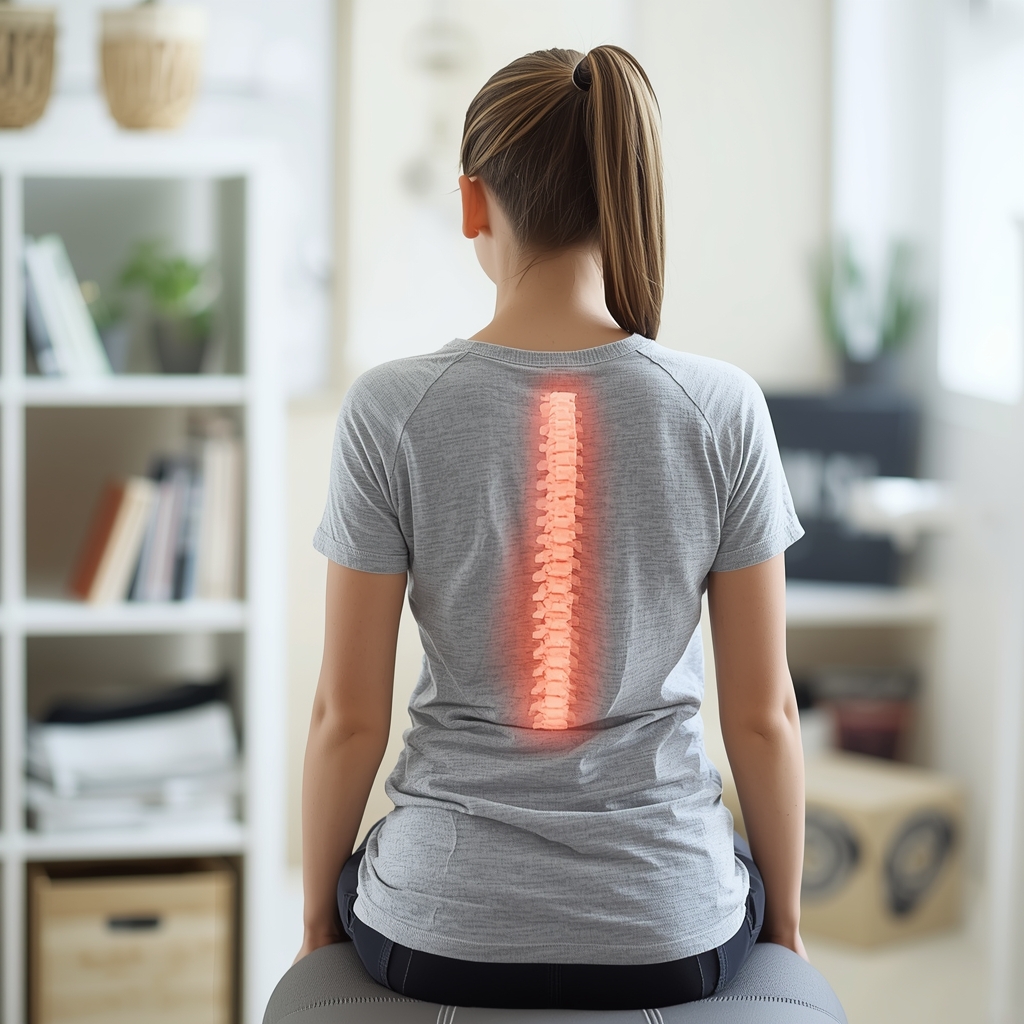
Understanding Scoliosis in Adolescents
Scoliosis is a spinal condition characterized by an abnormal sideways curvature, often detected during adolescence. While some cases are mild, others can progress, leading to discomfort, postural imbalances, or breathing difficulties. Early identification is critical, as timely intervention can prevent complications. Chiropractors play a key role in recognizing scoliosis through routine postural assessments, which may reveal uneven shoulders, a tilted pelvis, or an asymmetrical rib cage. These observations, combined with patient history, help determine if further evaluation by a specialist is needed. Awareness of scoliosis in children and teens empowers families to seek care before the condition worsens, highlighting the importance of proactive spinal health monitoring.
Postural Assessments: The First Step in Detection
Chiropractors begin scoliosis screening with visual and functional postural assessments. Patients are asked to stand straight, allowing the practitioner to observe for visible asymmetries, such as one shoulder blade protruding more than the other or an uneven waistline. A forward-bending test, where the patient bends at the waist, can reveal a rib hump—a common sign of spinal rotation. These assessments are non-invasive and often part of routine check-ups. While not diagnostic on their own, they provide valuable clues. If abnormalities are noted, the chiropractor may recommend imaging, like X-rays, to confirm the diagnosis. Regular screenings, especially during growth spurts, ensure early detection and better outcomes for adolescents at risk.
Early Intervention Strategies for Pediatric Scoliosis
Once scoliosis is identified, early intervention focuses on managing the condition before it progresses. Chiropractic care may include spinal adjustments to improve alignment and reduce pressure on nerves, though this is typically part of a broader treatment plan. Corrective exercises, such as those designed to strengthen core muscles and improve posture, are often recommended. In some cases, bracing may be advised to prevent further curvature. Chiropractors work closely with orthopedic specialists to monitor the spine’s development and adjust strategies as needed. The goal is to support the child’s growth while minimizing the need for more invasive treatments. Early action can significantly impact long-term spinal health, making regular check-ups essential for adolescents with scoliosis.
The Role of Chiropractic Care in Scoliosis Management
Chiropractic care for scoliosis emphasizes personalized, non-surgical approaches to support spinal health. Chiropractors may use gentle adjustments to address misalignments that could exacerbate curvature. They also focus on improving mobility and reducing pain through soft tissue therapies and rehabilitative exercises. However, chiropractic treatment is not a substitute for medical evaluation, especially for moderate to severe cases. Instead, it complements traditional care by addressing musculoskeletal imbalances. Regular follow-ups allow chiropractors to track progress and modify techniques as the adolescent grows. By fostering a holistic approach, chiropractors help patients maintain better posture, reduce discomfort, and enhance overall well-being. Collaboration with other healthcare providers ensures a comprehensive care plan tailored to the individual’s needs.
Monitoring and Follow-Up for Scoliosis Progression
Regular monitoring is essential for adolescents with scoliosis to track the condition’s progression. Chiropractors may recommend periodic assessments, including postural evaluations and imaging, to detect changes in spinal curvature. This ongoing care allows for timely adjustments to the treatment plan, ensuring it remains effective as the child grows. Families are encouraged to observe for signs like back pain, uneven clothing fit, or difficulty standing straight, which may indicate worsening curvature. Open communication between the chiropractor, patient, and family ensures everyone is informed about the condition and treatment goals. By staying proactive, adolescents can maintain better spinal health and avoid complications that may arise from untreated or undetected scoliosis.
Empowering Families Through Education and Awareness
Educating families about scoliosis is a cornerstone of effective management. Chiropractors provide information on the condition’s causes, progression, and available treatments, helping parents make informed decisions. They also teach practical strategies for supporting their child’s spinal health, such as encouraging proper posture, regular exercise, and avoiding activities that strain the back. Workshops or resources on scoliosis can further empower families to recognize warning signs and seek timely care. By fostering a supportive environment, chiropractors help adolescents feel confident about their treatment and recovery. This collaborative approach strengthens the patient-provider relationship, ensuring long-term success in managing scoliosis and promoting overall wellness.













