
Understanding Thoracic Outlet Syndrome and Posture
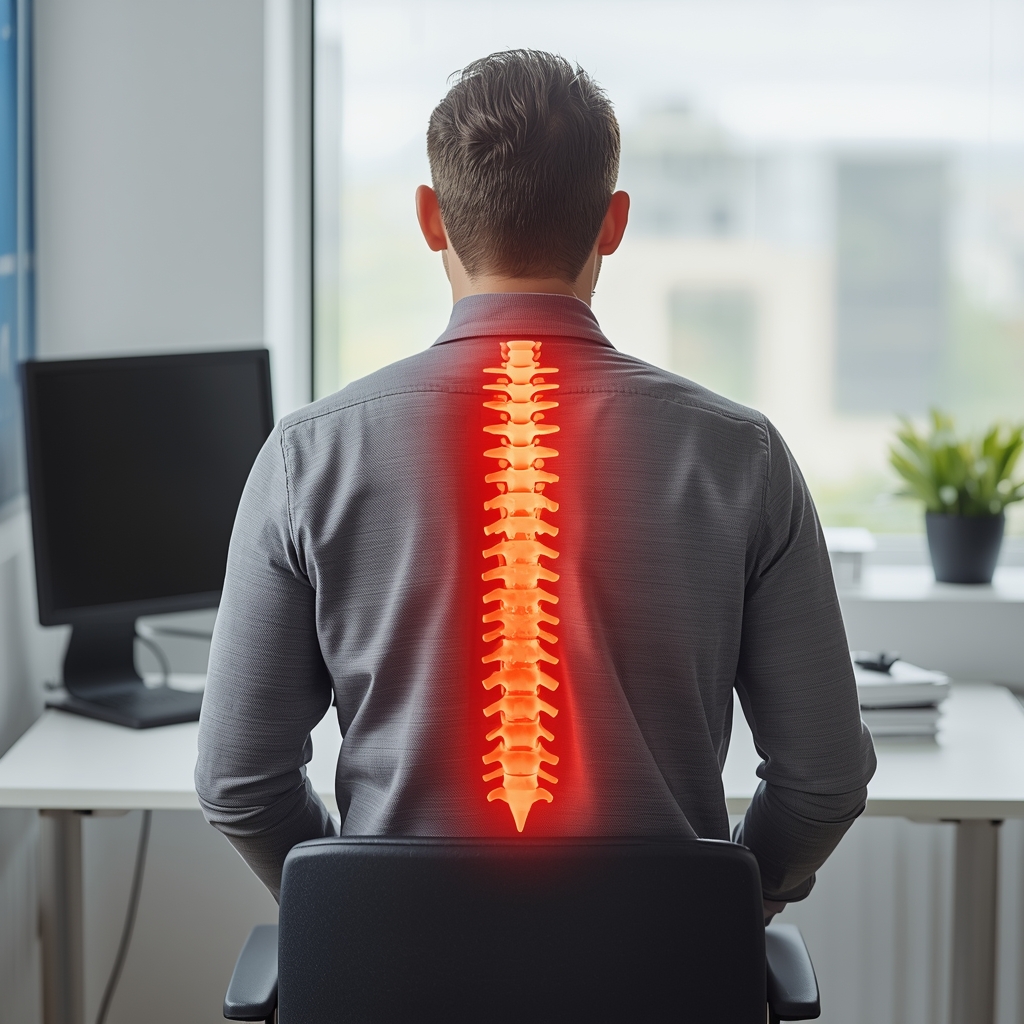
Thoracic Outlet Syndrome (TOS) occurs when nerves or blood vessels near the neck and shoulders become compressed, causing pain, numbness, or tingling in the arms and hands. Office workers with prolonged poor posture—such as slouching, forward head positioning, or rounded shoulders—are particularly vulnerable. These postural habits can narrow the thoracic outlet, the space between the collarbone and first rib, leading to symptoms. While TOS has multiple causes, musculoskeletal imbalances from repetitive desk work often play a key role. Chiropractic care focuses on identifying and addressing these imbalances to alleviate pressure and restore function.
How Chiropractic Adjustments Work for TOS
Chiropractic adjustments involve precise, controlled movements to realign the spine and joints, reducing pressure on nerves and blood vessels. For TOS, adjustments may target the cervical spine, thoracic spine, and ribs to improve structural balance. By correcting misalignments, chiropractors can widen the thoracic outlet, easing compression. These adjustments also promote better posture by releasing tight muscles and improving joint mobility. While not a cure, they often provide relief by addressing the root causes of TOS rather than just masking symptoms. Patients typically experience gradual improvement with consistent care, though individual results vary.
Posture Correction and Ergonomic Support
Chiropractors often combine adjustments with posture correction strategies to address TOS in office workers. Poor posture, like slouching or hunching over a keyboard, strains the muscles and joints around the thoracic outlet. Chiropractors may recommend ergonomic adjustments, such as proper chair height, monitor positioning, and keyboard placement, to reduce strain. They might also teach patients exercises to strengthen postural muscles and stretch tight areas. By integrating these changes, patients can maintain alignment and prevent TOS recurrence. This holistic approach ensures that adjustments are supported by long-term lifestyle modifications.
Targeting Nerve Compression and Muscle Tension
TOS frequently involves nerve compression, particularly the brachial plexus, which runs through the thoracic outlet. Chiropractic techniques like soft tissue therapy and spinal manipulation can relieve pressure on these nerves. Adjustments may also address muscle tension in the neck, shoulders, and upper back, which contributes to TOS symptoms. By restoring normal movement and reducing inflammation, chiropractors help the body heal naturally. Patients often report reduced pain and improved range of motion after treatment. However, it’s essential to consult a qualified provider to tailor care to individual needs.
Complementary Therapies for Enhanced Relief
In addition to adjustments, chiropractors may incorporate therapies like massage, traction, or cold laser treatment to enhance TOS relief. Massage therapy can ease muscle tightness, while traction gently stretches the thoracic outlet to reduce compression. Cold laser therapy may reduce inflammation and promote tissue healing. These methods work alongside adjustments to provide comprehensive care. Patients should discuss which options align with their condition and preferences. Combining therapies can address multiple aspects of TOS, from nerve pressure to muscular imbalances, for more effective outcomes.
Consulting a Chiropractor for Personalized Care
If you experience TOS symptoms, a chiropractor can evaluate your posture, spinal alignment, and lifestyle factors to create a tailored plan. They may use diagnostic tools to identify specific areas of compression and recommend adjustments, exercises, or ergonomic changes. While chiropractic care is not a guaranteed solution, many patients find significant relief through this approach. It’s important to seek care from a licensed professional who understands TOS and its connection to posture. Open communication with your chiropractor ensures your treatment addresses your unique needs and goals.













