
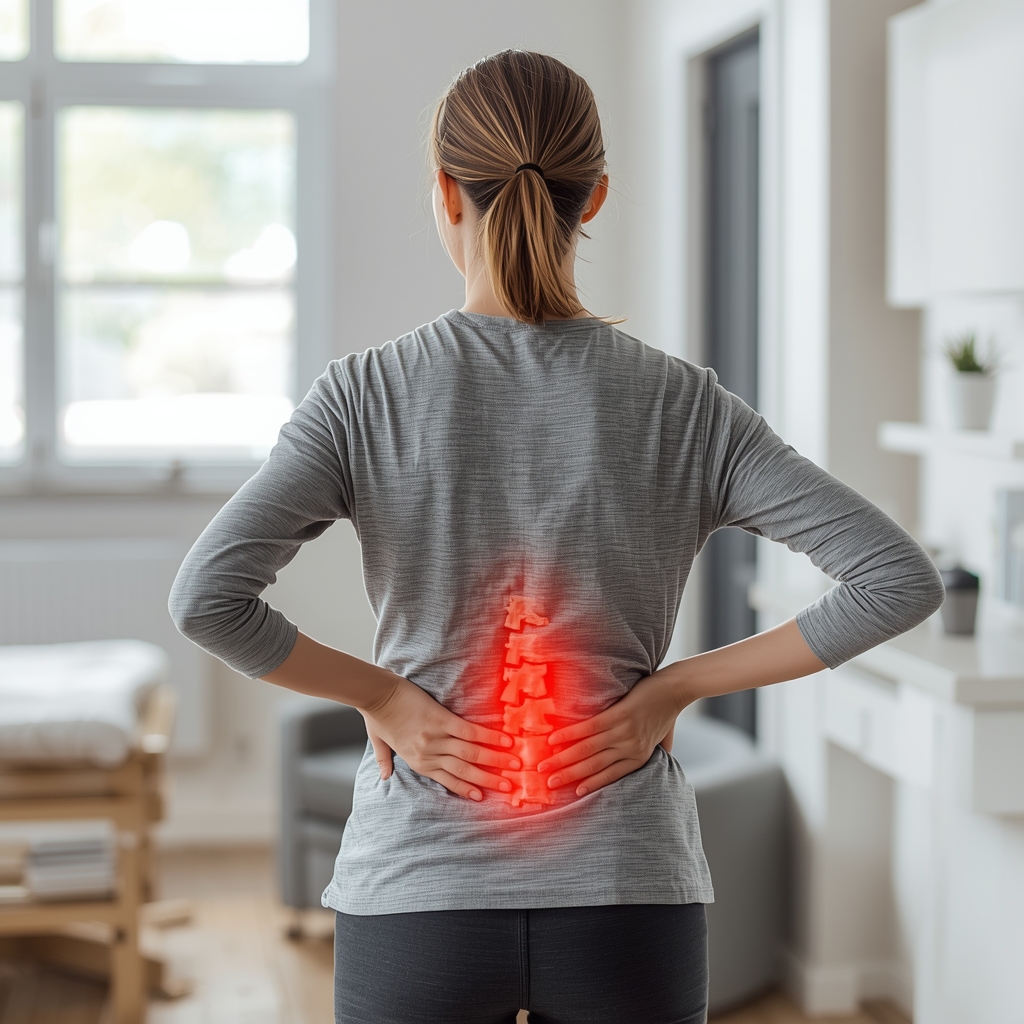
Understanding Sciatic Pain in the Second Trimester
Sciatic pain during pregnancy often emerges in the second trimester as the growing uterus shifts weight and pressure on the lower back and sciatic nerves. Hormonal changes relax ligaments, increasing spinal instability, while the expanding belly alters posture. This combination can compress the sciatic nerve, causing radiating pain down the legs. While common, it’s not inevitable. Chiropractic care offers proactive strategies to mitigate this discomfort by addressing spinal alignment, muscle tension, and posture. Understanding these mechanisms helps expectant mothers recognize early signs and seek timely intervention.
Spinal Adjustments for Alignment and Relief
Chiropractic adjustments during the second trimester focus on restoring proper spinal alignment to reduce pressure on the sciatic nerve. Techniques like the Webster Technique, often used in prenatal care, aim to balance the pelvis and relieve tension in the lower back. These adjustments are tailored to accommodate the changing body, ensuring safety for both mother and baby. By maintaining a stable spine, chiropractors help prevent nerve irritation and reduce the risk of sciatic pain. Regular visits can also address minor misalignments before they escalate into significant discomfort, supporting a more comfortable pregnancy journey.
Posture and Ergonomic Support
Improving posture is a key strategy for preventing sciatic pain during pregnancy. As the belly grows, the body’s center of gravity shifts, often leading to exaggerated lower back curvature (lordosis) and increased pressure on the sciatic nerve. Chiropractors may recommend ergonomic adjustments, such as using supportive chairs, avoiding prolonged sitting, and sleeping on the left side with a pregnancy pillow. These practices help maintain spinal neutrality and reduce strain. Additionally, gentle stretching and core-strengthening exercises, guided by a chiropractor, can enhance posture and stability, further lowering the risk of sciatic discomfort.
Strengthening Core and Pelvic Muscles
A strong core and pelvic floor support the spine and reduce the likelihood of sciatic pain. Chiropractors often incorporate corrective exercises into prenatal care, such as pelvic tilts, cat-cow stretches, and Kegels, to build stability without straining the body. These exercises improve muscle tone, which helps distribute weight more evenly and lessen pressure on the sciatic nerve. Tailored programs ensure safety and effectiveness, avoiding high-impact movements. By strengthening these areas, expectant mothers can better navigate the physical changes of pregnancy, minimizing the risk of nerve compression and associated pain.
Hydration and Nutritional Considerations
Proper hydration and nutrition play a role in preventing sciatic pain by maintaining muscle function and reducing inflammation. Dehydration can lead to muscle cramps and stiffness, exacerbating nerve pressure. Chiropractors may advise drinking adequate water and consuming anti-inflammatory foods like leafy greens and omega-3-rich fish. While not a direct treatment, these habits support overall musculoskeletal health. Additionally, avoiding excessive salt intake helps manage fluid retention, which can contribute to swelling and nerve compression. Integrating these practices with chiropractic care creates a holistic approach to comfort during pregnancy.
Regular Chiropractic Monitoring and Communication
Consistent chiropractic care throughout the second trimester allows for early detection of issues that could lead to sciatic pain. Regular check-ups enable adjustments to be made proactively, rather than reactively, preventing minor imbalances from worsening. Open communication with the chiropractor about any discomfort or changes in the body ensures personalized care. Expectant mothers should report symptoms like tingling, numbness, or sharp pains promptly. This collaborative approach empowers women to take an active role in their health, fostering a safer and more comfortable pregnancy experience.














