
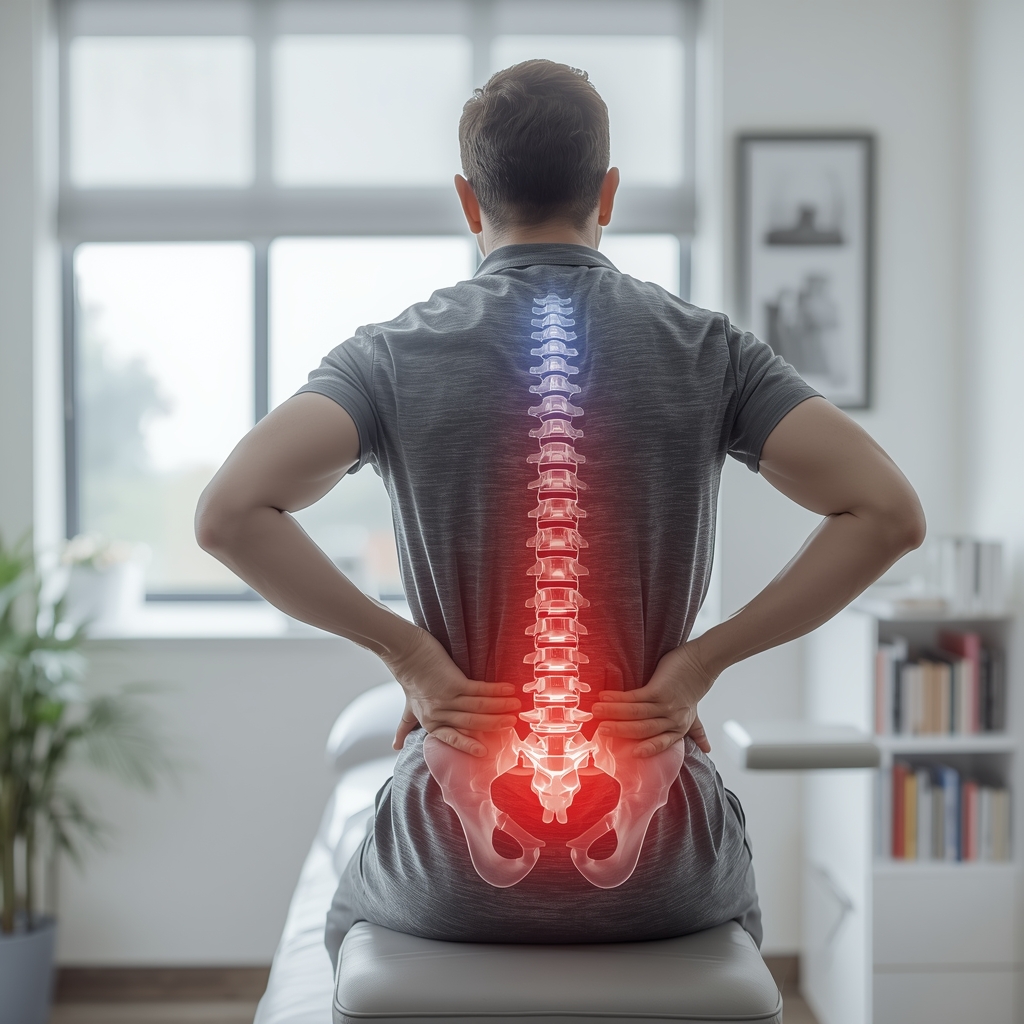
Introduction to the Case Study
Chronic hip bursitis can significantly impact daily life, causing persistent pain and limiting mobility. This case study highlights a patient who achieved long-term relief through a tailored chiropractic approach. The individual had struggled with hip pain for years, trying various treatments without lasting success. A chiropractor conducted a thorough assessment, identifying misalignments and soft tissue restrictions contributing to the condition. By combining multiple strategies, the patient experienced meaningful improvements. This example underscores the potential of chiropractic care in managing complex musculoskeletal issues. It also emphasizes the importance of personalized treatment plans in addressing chronic conditions.
Spinal Adjustments and Joint Realignment
Spinal adjustments played a key role in the patient’s recovery. The chiropractor focused on correcting pelvic and spinal misalignments that may have exacerbated hip bursitis. By restoring proper biomechanics, these adjustments reduced pressure on the affected area. Regular adjustments helped the body maintain better posture and movement patterns, which are critical for long-term relief. The patient reported decreased pain levels after several sessions, indicating the effectiveness of this approach. Over time, the adjustments contributed to improved joint function and reduced inflammation. This strategy highlights how addressing structural imbalances can support the body’s natural healing processes.
Soft Tissue Therapy and Myofascial Release
Soft tissue therapy was another essential component of the treatment plan. The chiropractor used techniques like myofascial release to target tight muscles and connective tissue around the hip. This helped alleviate tension that might have been contributing to bursitis symptoms. By improving blood flow and reducing muscle spasms, the therapy promoted faster recovery. The patient engaged in regular sessions, which gradually lessened discomfort and improved range of motion. Combining this with other methods ensured a holistic approach to care. Soft tissue work is often overlooked but can be vital in managing chronic pain conditions.
Corrective Exercises and Lifestyle Modifications
In addition to hands-on treatments, the patient was guided through corrective exercises to strengthen the hip and surrounding muscles. These exercises were designed to improve stability and prevent future flare-ups. The chiropractor also recommended lifestyle changes, such as ergonomic adjustments and activity modifications. By addressing daily habits, the patient reduced stress on the hip joint. Consistency with these practices was crucial for maintaining progress. Over time, the combination of exercise and lifestyle adjustments supported long-term pain relief. This approach empowers patients to take an active role in their recovery.
Long-Term Maintenance and Preventive Care
To sustain results, the patient followed a maintenance schedule with periodic chiropractic visits. This allowed for ongoing monitoring and adjustments as needed. The chiropractor also emphasized the importance of self-care practices, such as stretching and proper warm-up routines. By staying proactive, the patient minimized the risk of recurrence. Regular check-ins ensured that any emerging issues were addressed early. This long-term strategy highlights how chiropractic care can evolve with a patient’s needs. It also reinforces the value of consistent, preventive care in managing chronic conditions.
Conclusion and Key Takeaways
This case study demonstrates how a multifaceted chiropractic approach can lead to lasting relief for chronic hip bursitis. By combining adjustments, soft tissue work, and lifestyle changes, the patient achieved significant improvements. Every individual’s journey is unique, so consulting a qualified chiropractor is essential. Patients should remain open to exploring different strategies that align with their needs. While results may vary, this example shows the potential of chiropractic care in addressing complex musculoskeletal challenges. It encourages those struggling with chronic pain to consider comprehensive, personalized treatment options.













