
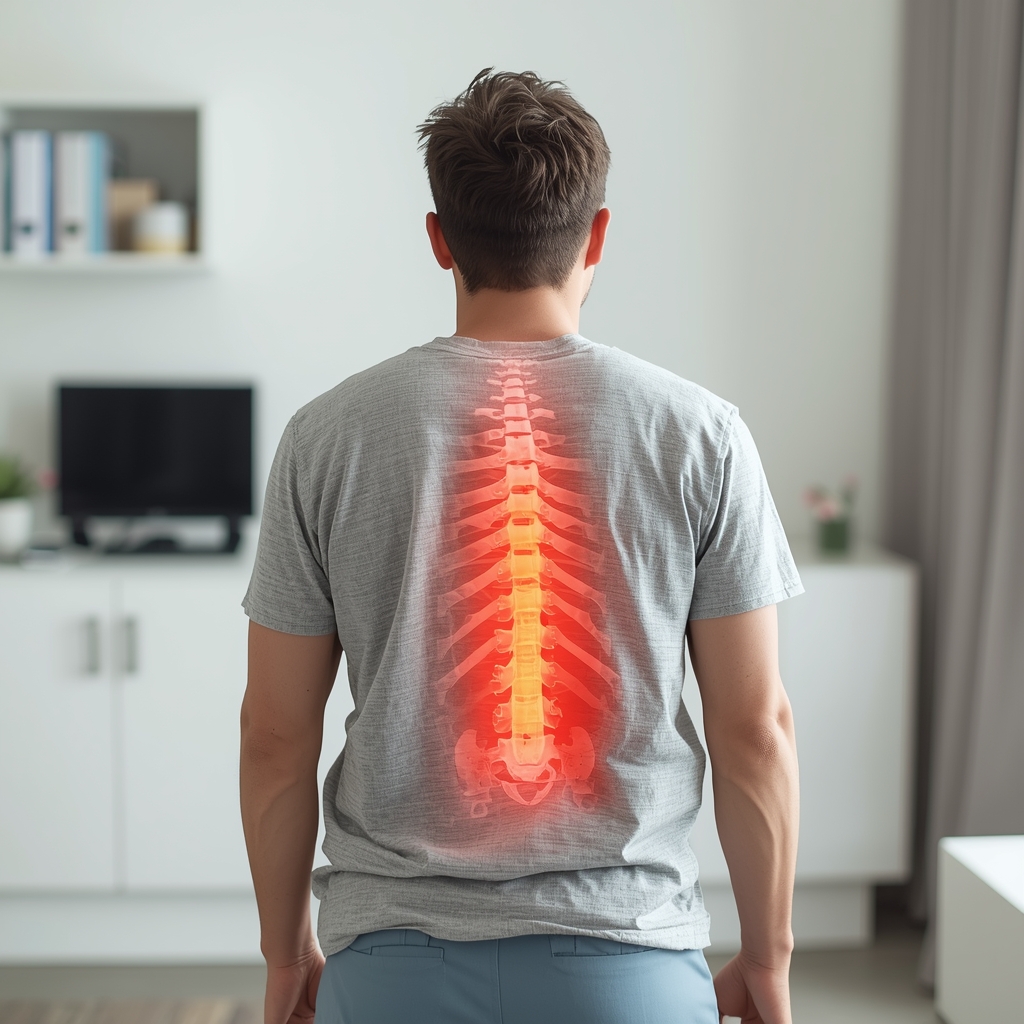
Introduction: A Patient's Journey to Medication-Free Back Pain Relief
Chronic back pain can significantly impact quality of life, often leading patients to rely on long-term medication for relief. However, many individuals find alternative solutions through chiropractic care. This article explores the strategies that helped a patient with persistent back pain reduce and eventually eliminate their dependence on medication. By combining targeted treatments, lifestyle adjustments, and personalized care, this case highlights how chiropractic approaches can offer sustainable relief without the risks associated with prolonged drug use. The patient’s experience underscores the importance of exploring non-invasive options and working closely with a qualified chiropractor to address the root causes of discomfort.
Spinal Adjustments and Manual Therapy: Restoring Alignment
Spinal adjustments, a cornerstone of chiropractic care, played a critical role in the patient’s recovery. By realigning the spine, these adjustments alleviated pressure on nerves and muscles, reducing pain and improving mobility. The chiropractor used a combination of manual techniques and specialized tools to address misalignments, particularly in the lumbar region. Over time, the patient reported decreased inflammation and a noticeable reduction in pain intensity. This approach not only provided immediate relief but also helped prevent future episodes by maintaining proper spinal function. Patients considering chiropractic care should discuss how spinal adjustments might fit into their broader treatment plan, as results often depend on consistency and individual needs.
Active Release Technique (ART): Targeting Soft Tissue Restrictions
The patient’s treatment plan incorporated Active Release Technique (ART), a soft tissue therapy designed to address muscle tightness and scar tissue. This method involved the chiropractor applying pressure while the patient moved specific body parts, breaking down adhesions that contributed to pain and restricted movement. ART proved particularly effective in targeting areas of chronic tension, such as the lower back and hips. By improving flexibility and blood flow, the technique supported faster recovery and enhanced the effectiveness of other treatments. Many patients find ART beneficial for conditions involving repetitive strain or overuse, though its success depends on the chiropractor’s expertise and the patient’s commitment to follow-up sessions.
Corrective Exercises and Rehabilitation: Building Long-Term Strength
In addition to hands-on treatments, the patient engaged in a customized program of corrective exercises to strengthen core muscles and improve posture. These exercises, tailored to the patient’s specific needs, focused on stabilizing the spine and reducing strain on vulnerable areas. Over time, the patient noticed greater endurance and fewer flare-ups, as the exercises helped correct imbalances that contributed to their pain. Chiropractors often recommend such programs to complement adjustments and therapy, emphasizing the importance of consistency. While results vary, many patients report lasting benefits when they incorporate rehabilitation into their care plan, highlighting the value of a holistic approach to chronic pain management.
Lifestyle and Ergonomic Modifications: Supporting Healing
Alongside clinical treatments, the patient made lifestyle changes to support their recovery. Ergonomic adjustments at work, such as using an supportive chair and taking regular movement breaks, reduced strain on the back. The patient also adopted better sleep habits, including using a mattress that promoted proper spinal alignment. Dietary modifications, such as increasing anti-inflammatory foods, further aided the healing process. These changes, while seemingly small, created an environment conducive to long-term wellness. Chiropractors often encourage patients to evaluate their daily routines, as even minor adjustments can significantly impact recovery and prevent future issues.
Conclusion: A Holistic Path to Medication-Free Living
The patient’s journey demonstrates how chiropractic care can effectively manage chronic back pain without long-term medication. By integrating spinal adjustments, ART, corrective exercises, and lifestyle changes, they achieved lasting relief and improved overall well-being. While every individual’s experience differs, this case highlights the potential of non-invasive, personalized care. Patients considering chiropractic options should consult with a licensed provider to explore strategies that align with their unique needs. With dedication and professional guidance, many find that chiropractic approaches offer a viable alternative to medication, empowering them to take control of their health.












