
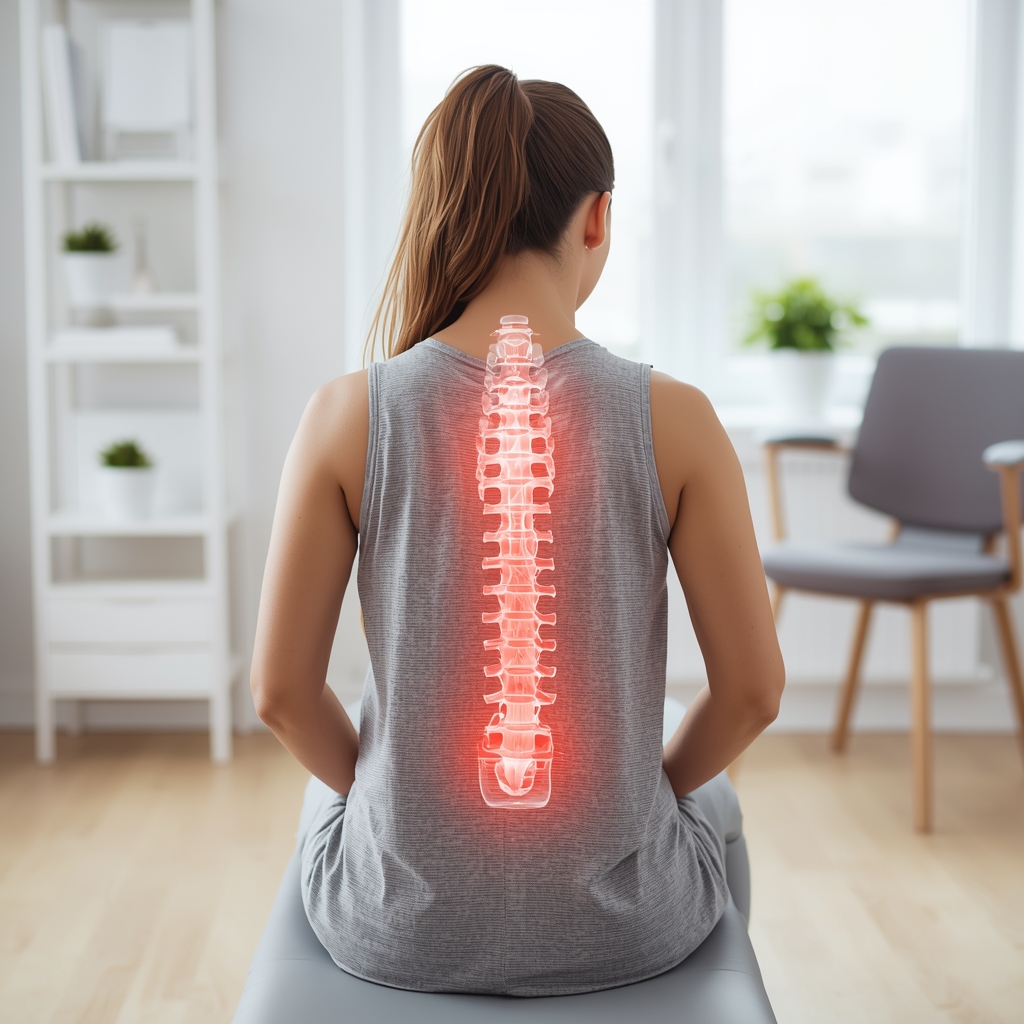
Understanding Chronic Low Back Pain and Non-Opioid Solutions
Chronic low back pain affects millions, often leading to reliance on medications like opioids. However, non-opioid strategies, such as chiropractic care and exercise programs, offer effective alternatives. These approaches focus on addressing the root causes of pain rather than masking symptoms. Chiropractic adjustments and targeted exercises can reduce inflammation, improve mobility, and enhance overall function. By prioritizing drug-free methods, patients may achieve long-term relief while minimizing risks associated with medication. This article explores how these techniques work together to support chronic low back pain management.
How Chiropractic Adjustments Alleviate Back Pain
Chiropractic adjustments involve precise manual manipulations to realign the spine and restore proper joint function. This process can reduce pressure on nerves, muscles, and surrounding tissues, which often contribute to chronic pain. By improving spinal mechanics, adjustments may also enhance blood flow and reduce inflammation. Many patients report decreased pain and increased mobility after regular sessions. While results vary, the goal is to support the body’s natural healing processes. It’s important to consult a licensed chiropractor to determine if adjustments are suitable for individual needs and conditions.
The Role of Exercise in Chronic Pain Management
Exercise programs tailored for low back pain focus on strengthening core muscles, improving flexibility, and correcting posture. Activities like yoga, swimming, and specific stretching routines can alleviate strain on the spine and surrounding structures. Strengthening the muscles that support the back helps distribute forces more evenly, reducing the likelihood of pain flare-ups. Exercise also promotes the release of endorphins, the body’s natural painkillers. When combined with chiropractic care, these programs can enhance recovery and prevent future issues. A healthcare provider can help design a safe, personalized exercise plan.
Combining Adjustments and Exercise for Optimal Results
Integrating chiropractic adjustments with targeted exercise creates a comprehensive approach to managing chronic low back pain. Adjustments may address structural imbalances, while exercise builds resilience and improves function. This dual strategy can lead to faster recovery and sustained relief. For example, adjustments might correct misalignments, while strengthening exercises prevent recurrence. Patients often find that consistency in both areas maximizes benefits. However, it’s crucial to work with qualified professionals to ensure the methods are safe and appropriate for individual conditions.
Safety and Effectiveness of Drug-Free Care
Chiropractic care and exercise programs are generally considered safe when performed by trained practitioners. Unlike medications, they carry minimal risk of side effects, making them appealing for long-term use. Research suggests these approaches can effectively reduce pain and improve quality of life for many patients. However, results depend on factors like the severity of the condition and adherence to treatment plans. It’s essential to discuss options with a healthcare provider to determine the best course of action. Open communication ensures that care remains personalized and effective.
Consulting Professionals for Personalized Care
Every patient’s experience with chronic low back pain is unique, so a one-size-fits-all approach rarely works. Chiropractors and physical therapists can assess individual needs and design customized plans. This may include a mix of adjustments, exercises, and lifestyle modifications. Patients should feel empowered to ask questions and express concerns during consultations. By working collaboratively with healthcare providers, individuals can explore safe, effective ways to manage pain without relying on medications. Regular follow-ups help track progress and make necessary adjustments to the care plan.













