
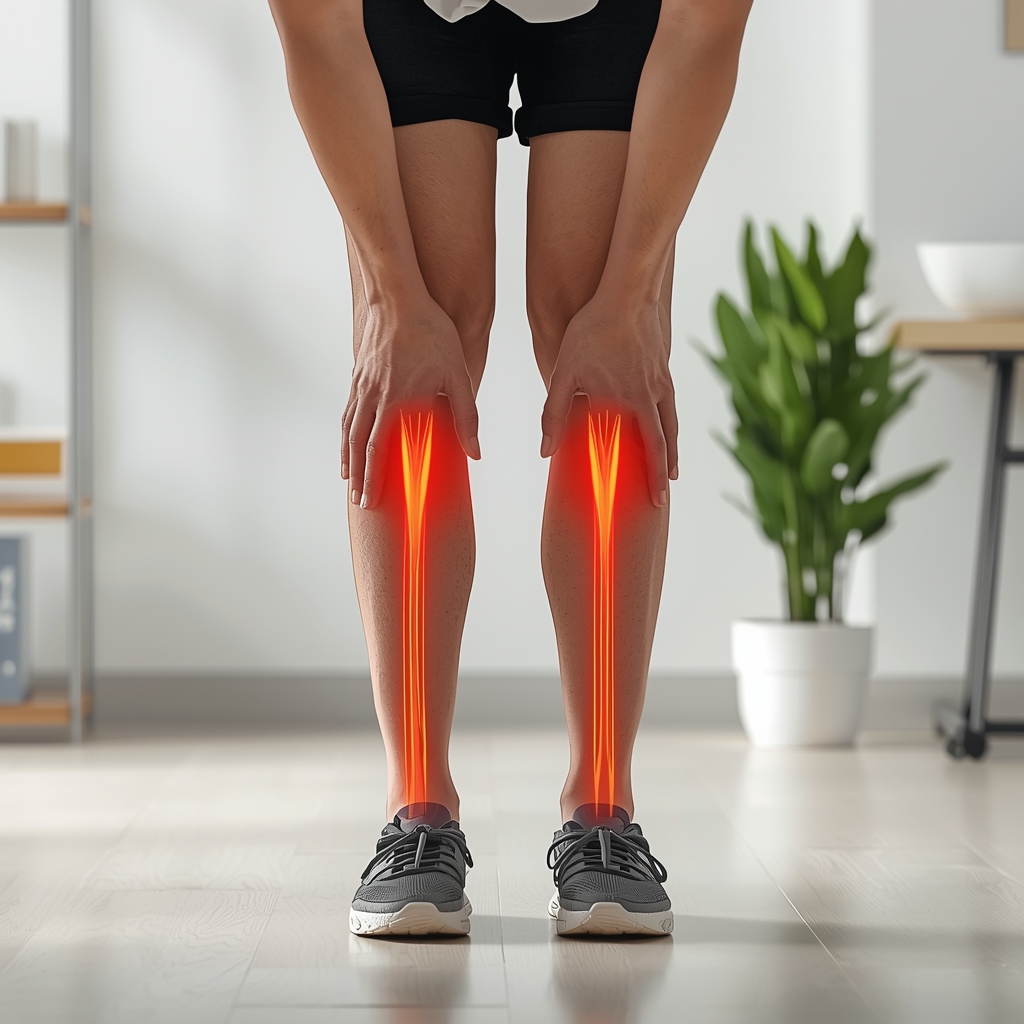
Understanding Shin Splints and Stress Fractures in Runners
Shin splints and stress fractures are common overuse injuries among runners, often caused by repetitive impact, improper footwear, or sudden increases in training intensity. Shin splints involve inflammation of the muscles, tendons, and bone tissue around the tibia, while stress fractures are small cracks in the bone. Both conditions can significantly hinder performance and require careful management. Runners may experience pain along the inner edge of the shin or localized tenderness, which worsens during activity. Chiropractic care can play a supportive role in recovery by addressing biomechanical imbalances and promoting natural healing processes. However, it is essential to consult a qualified chiropractor for personalized guidance, as self-treatment may delay recovery or worsen symptoms.
Chiropractic Adjustments to Alleviate Pain and Improve Alignment
Chiropractic adjustments focus on restoring proper joint function and spinal alignment, which can reduce stress on the lower legs and promote faster recovery. For runners with shin splints or stress fractures, misalignments in the pelvis, hips, or feet may contribute to uneven weight distribution, exacerbating pain. A chiropractor may perform gentle adjustments to correct these imbalances, easing pressure on the shins and improving overall biomechanics. By enhancing nerve function and blood flow, adjustments can support the body’s natural healing mechanisms. However, adjustments alone are not a cure; they work best when combined with rest, modified activity, and other rehabilitative strategies. Always seek care from a licensed professional to ensure safety and effectiveness.
Soft Tissue Techniques for Muscle Relief and Recovery
Soft tissue therapies, such as Active Release Technique (ART) or myofascial release, can help alleviate tension in the muscles surrounding the shins, reducing pain and preventing further injury. These methods target tight or scarred tissues that may contribute to shin splints or delay healing after a stress fracture. By improving flexibility and circulation, soft tissue work can enhance recovery and restore normal movement patterns. Chiropractors may also use tools like massage or trigger point therapy to address specific areas of discomfort. While these techniques can be beneficial, they should be tailored to the runner’s condition and administered by a trained practitioner. Overly aggressive manipulation may worsen symptoms, so professional guidance is crucial for safe and effective treatment.
Corrective Exercises to Restore Strength and Prevent Recurrence
Strengthening and stretching exercises are vital for runners recovering from shin splints or stress fractures, as weak muscles or poor flexibility can contribute to these injuries. A chiropractor may recommend corrective exercises to target the calves, ankles, and feet, improving stability and reducing strain on the shins. Low-impact activities like swimming or cycling can maintain cardiovascular fitness without aggravating the injury. Additionally, balance training and proprioception exercises may help correct gait abnormalities that increase injury risk. These strategies should be introduced gradually and under professional supervision to avoid overexertion. Consistency and patience are key, as recovery often requires time and a structured approach to rebuild strength and prevent future issues.
Integrating Chiropractic Care with Other Therapies
Chiropractic care is most effective when combined with other therapeutic approaches, such as physical therapy, orthotics, or anti-inflammatory treatments. A multidisciplinary plan may include custom shoe inserts to correct biomechanical issues, ice therapy to reduce swelling, or nutritional support to aid tissue repair. Chiropractors often collaborate with sports medicine professionals to create comprehensive recovery programs tailored to the runner’s needs. For example, dry needling or ultrasound therapy might be used alongside adjustments to address pain and inflammation. While chiropractic care addresses structural and nervous system factors, other modalities tackle muscular and metabolic aspects. This integrated approach ensures a holistic recovery, minimizing the risk of complications and recurrence.
When to Seek Professional Care and Avoid Self-Treatment
If shin splints or stress fractures persist despite rest and self-care, it is critical to consult a chiropractor or healthcare provider for an accurate diagnosis. Delaying treatment can lead to chronic pain or more severe fractures, requiring extended recovery times. A professional can differentiate between shin splints and stress fractures, as their management differs significantly. For stress fractures, strict rest and medical imaging may be necessary, while shin splints often respond well to chiropractic and physical therapy. Avoiding self-diagnosis and unproven remedies is essential, as improper interventions may worsen the condition. A qualified chiropractor can develop a personalized plan that aligns with the runner’s goals, ensuring safe and effective recovery without compromising long-term health.












