
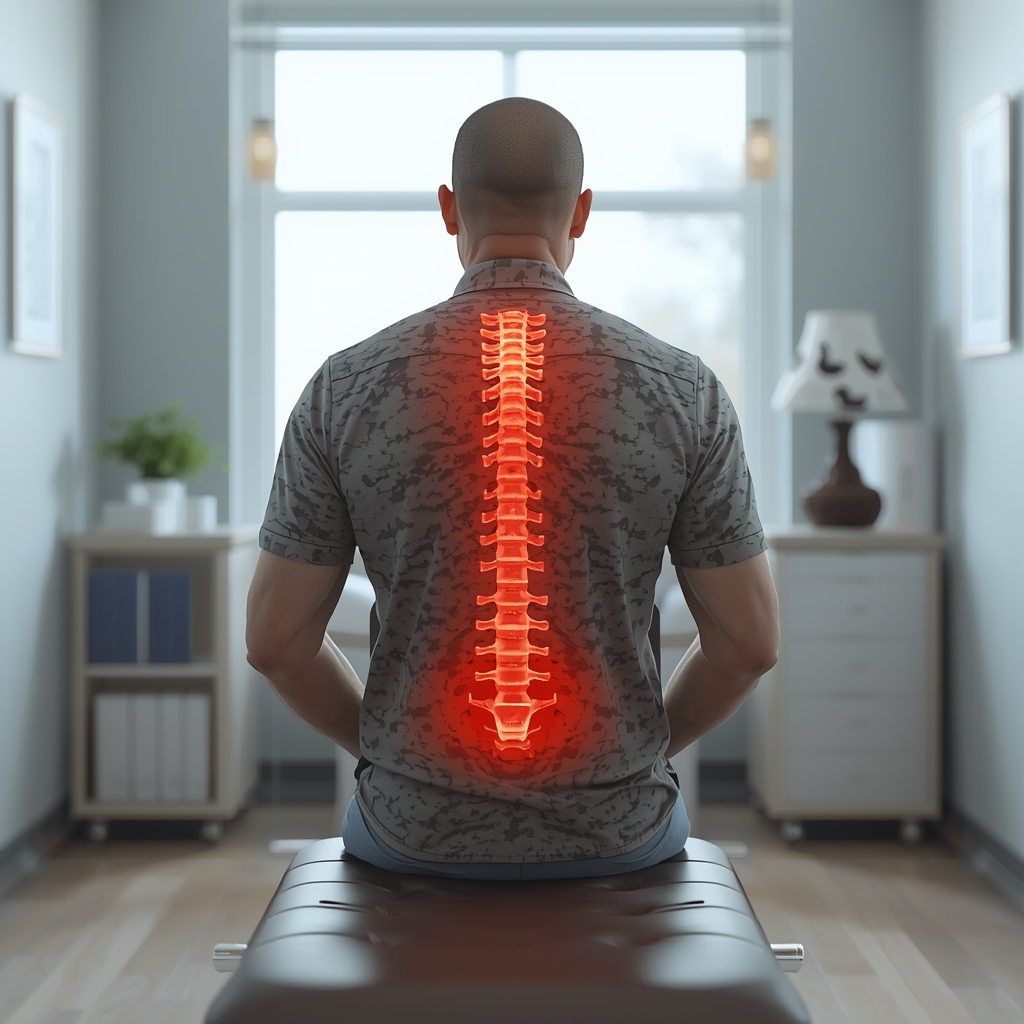
Understanding Chronic Lower Back Pain in Veterans
Chronic lower back pain is a prevalent issue among veterans, often stemming from combat-related injuries that may involve spinal trauma, musculoskeletal damage, or repetitive strain. Unlike typical lower back pain, these cases frequently carry unique complexities, such as residual effects from explosions, falls, or prolonged physical stress during service. Veterans may also face coexisting conditions like post-traumatic stress or nerve-related complications, which can complicate treatment. Chiropractic care offers a non-invasive, holistic approach to managing such pain, focusing on restoring mobility, reducing inflammation, and addressing the root causes of discomfort. However, effective strategies must account for the individual’s medical history, injury specifics, and long-term goals. Consulting a qualified chiropractor with experience in military-related injuries is essential to develop a tailored plan that supports recovery and improves quality of life.
Spinal Adjustments and Manual Therapy
Spinal adjustments, a cornerstone of chiropractic care, involve precise manipulations to realign the spine and alleviate pressure on nerves, muscles, and surrounding tissues. For veterans with combat-related lower back pain, these adjustments can help restore proper biomechanics, reduce pain, and enhance mobility. Manual therapy techniques, such as mobilization and soft tissue work, may also be used to address stiffness and tension in the lumbar region. While these methods are generally safe, their effectiveness depends on the chiropractor’s expertise in handling complex cases, including those with prior surgeries or structural abnormalities. Veterans should seek practitioners familiar with military injuries to ensure adjustments are both effective and gentle, minimizing the risk of exacerbating existing conditions. Regular sessions can provide cumulative benefits, but outcomes vary based on the individual’s response and adherence to the care plan.
Soft Tissue Techniques for Muscle and Nerve Relief
Combat-related injuries often lead to chronic muscle tightness, scar tissue formation, or nerve entrapment, contributing to persistent lower back pain. Soft tissue techniques, such as Active Release Technique (ART) and myofascial release, target these issues by breaking down adhesions and improving blood flow to affected areas. These methods can reduce inflammation, enhance flexibility, and alleviate pressure on nerves, offering relief for veterans with complex pain patterns. For instance, ART is particularly useful for addressing tightness in the lumbar muscles or sciatic nerve pathways, which are common in service members with past trauma. While these therapies are generally well-tolerated, they should be performed by trained professionals to avoid overstimulation or injury. Combining soft tissue work with other chiropractic strategies can create a comprehensive approach, supporting long-term pain management and functional recovery.
Corrective Exercises and Rehabilitation Programs
Rehabilitation through corrective exercises plays a vital role in managing chronic lower back pain by strengthening weakened muscles, improving posture, and enhancing spinal stability. Veterans may benefit from tailored programs that address specific deficits caused by combat injuries, such as core weakness or imbalanced movement patterns. Exercises like pelvic tilts, bird-dogs, and planks can reinforce the lumbar region while promoting better alignment. Additionally, functional training may help reintegrate daily activities safely, reducing the risk of re-injury. Chiropractors often collaborate with physical therapists to design these regimens, ensuring they align with the patient’s capabilities and goals. Consistency is key, as gradual progress can lead to lasting improvements. However, veterans should avoid overexertion and work closely with their care team to adjust exercises as needed, ensuring a safe and effective recovery journey.
Integrative Approaches for Holistic Care
Chiropractic care for veterans often integrates complementary therapies to address the multifaceted nature of chronic lower back pain. Techniques like acupuncture, massage therapy, and cold laser therapy may be used alongside spinal adjustments to reduce inflammation, ease muscle tension, and promote natural healing. For example, acupuncture can stimulate the release of endorphins, while cold laser therapy may target deep tissue inflammation. These approaches are often chosen for their minimal side effects and ability to support the body’s self-regulating mechanisms. However, the effectiveness of integrative methods varies, and veterans should discuss their options with a chiropractor to determine the best combination for their condition. A personalized, multidisciplinary plan can enhance outcomes, offering a more comprehensive solution than any single treatment alone.
The Importance of Personalized Treatment Plans
Every veteran’s experience with chronic lower back pain is unique, shaped by the nature of their injuries, overall health, and lifestyle factors. As such, a one-size-fits-all approach to chiropractic care is rarely effective. Personalized treatment plans consider the individual’s medical history, injury specifics, and goals, ensuring interventions are both safe and relevant. For instance, a veteran with a history of spinal surgery may require gentler techniques, while another with muscle imbalances might benefit from targeted exercises. Regular assessments and open communication with the chiropractor allow for adjustments to the care plan as needs evolve. By prioritizing individualized care, veterans can maximize the benefits of chiropractic strategies, fostering long-term pain relief and improved mobility. Always consult a qualified provider to explore options that align with your specific situation.













