
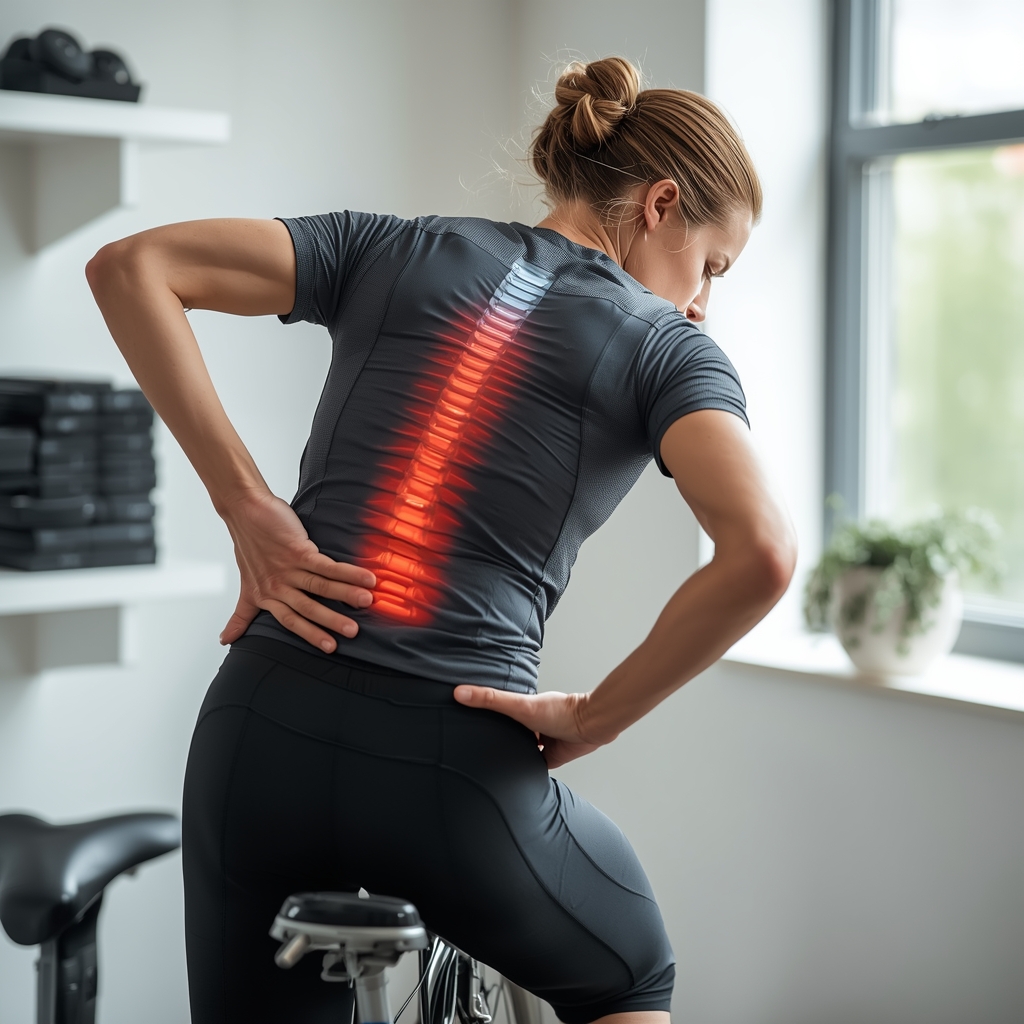
Understanding ITBS in Cyclists
Iliotibial band syndrome (ITBS) is a common overuse injury among cyclists, caused by friction between the iliotibial band—a thick band of tissue running along the outer thigh—and the femur. Repetitive pedaling motions, improper bike fit, or weak hip muscles can exacerbate this condition, leading to pain on the outer knee or thigh. Cyclists often experience discomfort during long rides or when climbing hills, which can hinder performance and enjoyment. While rest and stretching are standard recommendations, chiropractic care offers targeted interventions to address underlying biomechanical issues. By combining adjustments and strengthening strategies, chiropractors can help cyclists manage ITBS effectively. This article explores evidence-based approaches to alleviate symptoms and prevent recurrence, emphasizing the role of professional guidance in tailoring solutions to individual needs.
Chiropractic Adjustments for ITBS Relief
Chiropractic adjustments aim to restore proper alignment and function to the musculoskeletal system, which can alleviate ITBS-related discomfort. For cyclists, adjustments often focus on the sacroiliac joint, hip, and knee to reduce pressure on the iliotibial band. A chiropractor may use gentle manipulations to correct misalignments that contribute to uneven stress on the band, improving overall biomechanics. These adjustments can also enhance joint mobility and reduce inflammation, promoting faster recovery. While adjustments alone may not resolve ITBS, they are most effective when combined with other therapies. Cyclists should consult a licensed chiropractor to determine the optimal adjustment plan, as techniques vary based on individual anatomy and injury severity. Regular sessions can help maintain alignment, supporting long-term relief and injury prevention.
Soft Tissue Techniques for ITBS Management
Soft tissue therapies, such as Active Release Technique (ART) and Graston Technique, are valuable tools for addressing ITBS in cyclists. These methods target tightness and adhesions in the iliotibial band and surrounding muscles, restoring flexibility and function. ART involves manual pressure and movement to break down scar tissue, while Graston uses specialized instruments to detect and treat areas of restriction. Both approaches can reduce pain and improve range of motion, making them beneficial for cyclists experiencing chronic ITBS. Additionally, myofascial release and deep tissue massage may complement these techniques by relaxing overworked muscles. While these therapies are generally safe, they should be performed by trained professionals to avoid further injury. Cyclists may find that integrating soft tissue work into their treatment plan enhances the effectiveness of chiropractic adjustments and accelerates recovery.
Strengthening Exercises for Cyclists with ITBS
Strengthening the muscles that support the hips and knees is crucial for managing ITBS in cyclists. Weak hip abductors and glutes can contribute to improper knee tracking, increasing strain on the iliotibial band. Exercises like clamshells, side-lying leg lifts, and banded walks target these muscles, improving stability and reducing injury risk. Core strengthening routines, such as planks and bird-dogs, also play a role in maintaining proper posture and balance during cycling. Cyclists should focus on low-impact, controlled movements to avoid aggravating the condition. Consistency is key, as gradual strength gains can lead to long-term relief. However, it’s important to avoid overtraining and to consult a chiropractor or physical therapist to ensure exercises are performed correctly. Combining these routines with chiropractic care can create a comprehensive approach to ITBS management.
Integrating Chiropractic Care with Other Therapies
Chiropractic treatment for ITBS is often most effective when combined with complementary therapies. Physical therapy, for instance, can provide personalized exercise programs to address muscle imbalances and improve flexibility. Massage therapy may further alleviate tension in the iliotibial band and surrounding tissues, enhancing the benefits of adjustments. Cyclists may also benefit from ergonomic bike assessments to ensure proper fit and posture, reducing strain on the knees. While these approaches are generally safe, they should be coordinated with a chiropractor to avoid conflicting treatments. A multidisciplinary strategy allows for a more holistic recovery, addressing both structural and muscular factors contributing to ITBS. By working with a team of healthcare professionals, cyclists can develop a tailored plan that promotes long-term wellness and prevents future injuries.
When to Seek Professional Help
If ITBS symptoms persist despite self-care measures, it’s essential to consult a chiropractor or healthcare provider. Persistent pain, swelling, or difficulty performing daily activities may indicate a more severe issue requiring specialized care. A chiropractor can conduct a thorough evaluation to identify contributing factors, such as biomechanical imbalances or muscle weaknesses. They may recommend a combination of adjustments, soft tissue work, and strengthening exercises tailored to the cyclist’s needs. It’s important to avoid self-diagnosis or unproven treatments, as these can delay recovery. Professional guidance ensures safe, effective interventions that align with evidence-based practices. By seeking timely care, cyclists can address ITBS proactively, minimizing downtime and supporting long-term athletic performance.













