
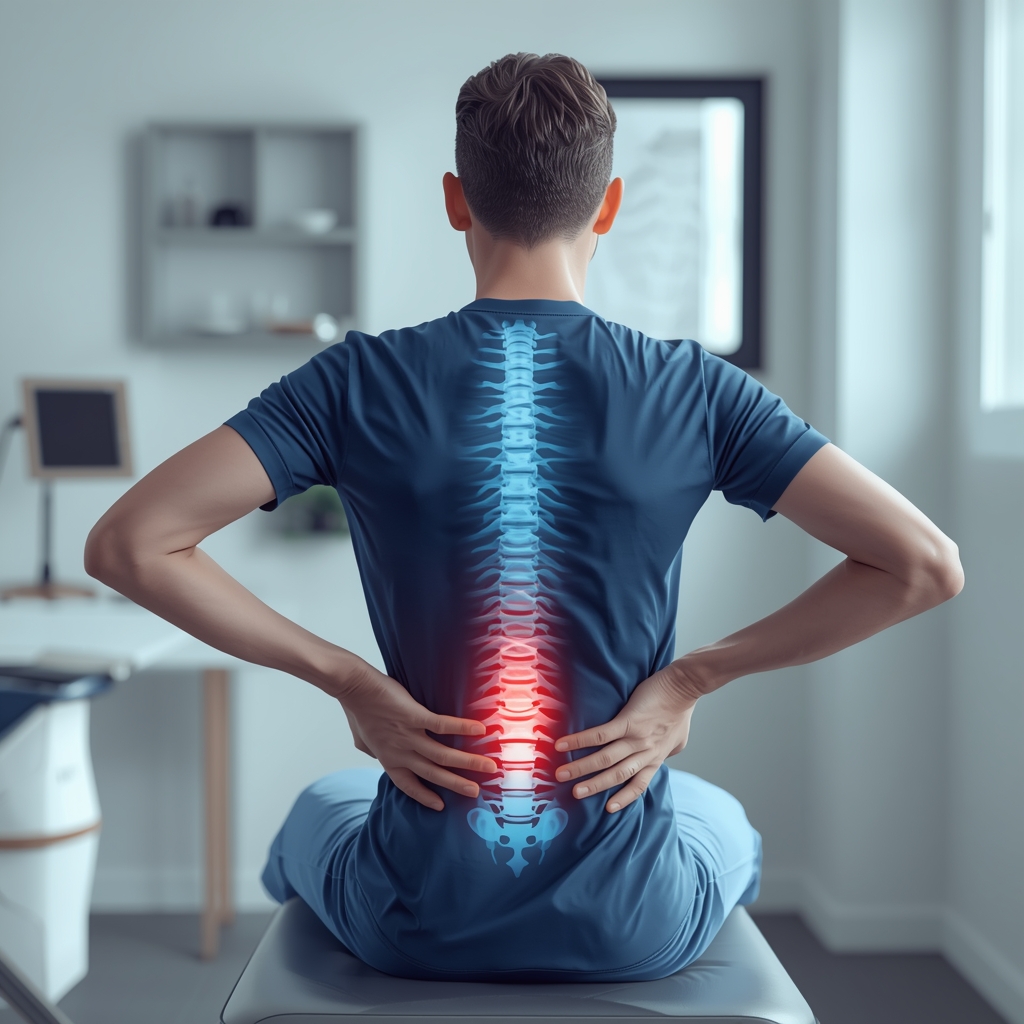
Understanding Biomechanics and Sciatic Nerve Pain
Biomechanics examines how the body's structure and movement interact, particularly in relation to forces acting on joints and tissues. Sciatic nerve pain, often caused by compression or irritation of the sciatic nerve, frequently stems from spinal misalignments, herniated discs, or muscular imbalances. Spinal adjustments aim to restore proper biomechanical function by realigning vertebrae and reducing pressure on nerves. This process involves analyzing movement patterns, joint mobility, and soft tissue tension to address the root causes of discomfort. While research into specific mechanisms is ongoing, the general principle of improving structural integrity to alleviate nerve-related pain is widely recognized in chiropractic practice.
Spinal Alignment and Nerve Compression Relief
One key biomechanical principle behind spinal adjustments is correcting vertebral subluxations—misalignments that can compress or irritate spinal nerves. The sciatic nerve, which originates in the lower spine, runs through the buttocks and down the legs. When a vertebra shifts out of place, it may narrow the spinal canal or foramen, pressing on the nerve. Adjustments use controlled force to reposition the vertebra, potentially reducing this pressure. This realignment can restore normal nerve signaling and decrease inflammation. However, the exact physiological pathways remain an area of ongoing study, with practitioners emphasizing the importance of individualized assessments to determine the most effective approach for each patient.
Restoring Joint Mobility and Muscle Balance
Biomechanical dysfunction often involves restricted joint movement and compensatory muscle patterns. Spinal adjustments aim to enhance range of motion in the spine, which can alleviate strain on surrounding muscles and ligaments. For sciatica, this may involve targeting the lumbar or sacral regions to reduce tension in the piriformis muscle, a common source of nerve compression. By improving joint mobility, adjustments can also prevent secondary issues like muscle atrophy or altered gait patterns. This holistic approach addresses both structural and functional aspects of biomechanics, supporting the body's natural ability to heal and maintain balance.
The Role of Soft Tissue in Biomechanical Function
Soft tissues—muscles, tendons, and fascia—play a critical role in spinal biomechanics. Tight or inflamed tissues can contribute to nerve irritation and reduced mobility. While spinal adjustments primarily focus on bony structures, they often complement soft tissue therapies to address these factors. For example, myofascial release techniques may be used alongside adjustments to relieve tension in the lower back. This combined approach ensures that both structural and soft tissue components are optimized, enhancing the effectiveness of treatment. However, the specific interactions between adjustments and soft tissue mechanics require further research to fully understand their impact on sciatic nerve pain.
Neurological Responses to Spinal Manipulation
Spinal adjustments may influence the nervous system through mechanoreceptor activation and reflex pathways. When a chiropractor applies a controlled force to a joint, it can stimulate sensory receptors that send signals to the brain, potentially modulating pain perception and muscle tone. This neurophysiological response may help reduce inflammation and promote healing in the affected area. Additionally, restoring proper spinal alignment can improve nerve conduction, supporting overall neuromuscular function. While these mechanisms are well-documented in general terms, the precise ways adjustments affect sciatic nerve pain remain an active area of investigation in chiropractic and medical research.
Individualized Care and Biomechanical Assessment
Biomechanical principles guide spinal adjustments, but each patient's unique anatomy and condition require tailored approaches. A chiropractor evaluates posture, movement patterns, and symptom history to develop a personalized plan. This may involve adjusting specific vertebrae, addressing muscle imbalances, or recommending complementary therapies. The effectiveness of adjustments depends on accurate diagnosis and ongoing monitoring, as biomechanical issues can evolve over time. Patients are encouraged to communicate openly with their provider to ensure treatments align with their needs. While adjustments are generally safe, they should always be performed by a licensed professional to minimize risks and maximize benefits.














