
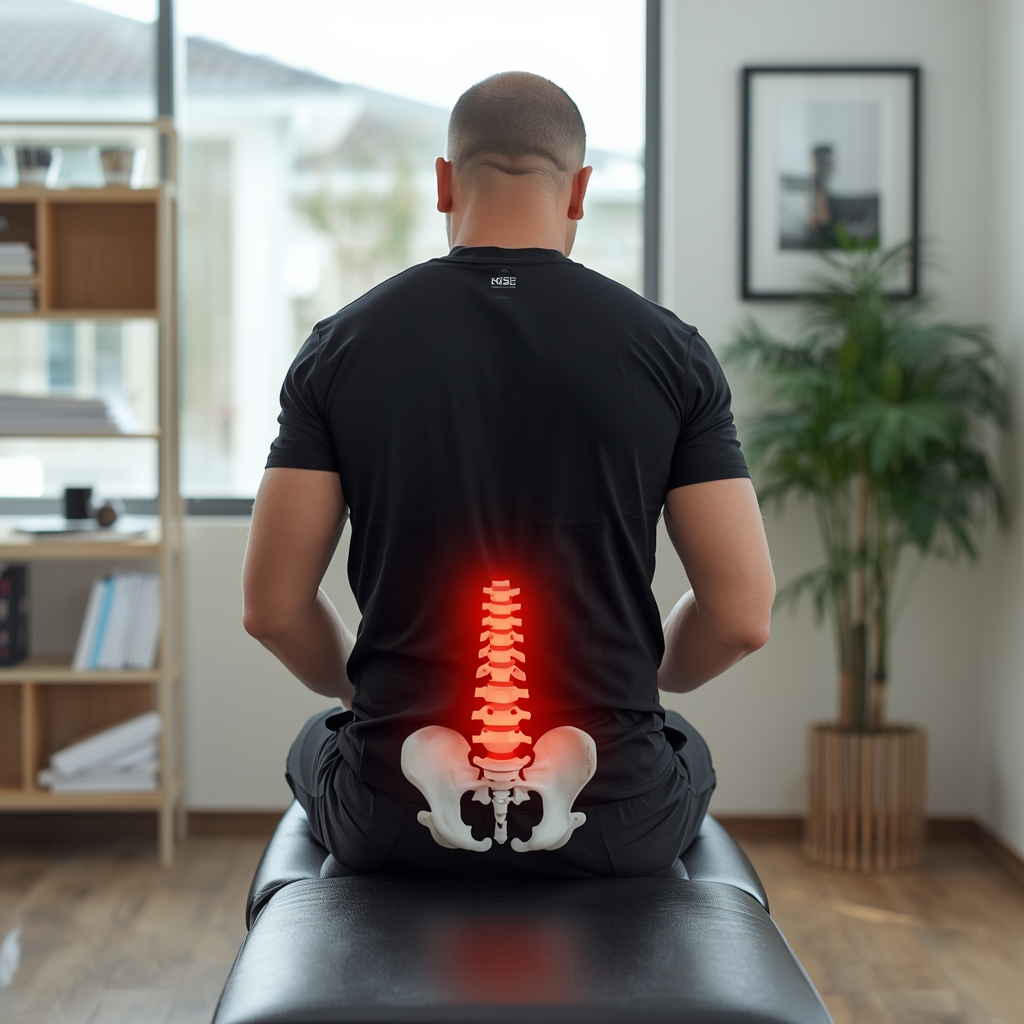
Understanding Sacroiliac Joint Dysfunction in Athletes
Sacroiliac (SI) joint dysfunction occurs when the joints connecting the spine to the pelvis become misaligned or inflamed, causing pain and instability. Athletes, particularly those engaged in high-impact sports like running, weightlifting, or contact activities, are prone to this condition due to repetitive stress, poor biomechanics, or sudden trauma. The SI joint plays a critical role in transferring force between the lower body and torso, making its stability essential for athletic performance. When dysfunction arises, it can lead to chronic pain, reduced mobility, and increased injury risk. Chiropractic care offers non-invasive solutions to restore balance and function, focusing on realigning the joint, reducing inflammation, and strengthening surrounding musculature. Understanding the unique demands of athletes helps tailor techniques to their specific needs, ensuring effective and sustainable outcomes.
Spinal Manipulation and Joint Adjustments
Spinal manipulation, a cornerstone of chiropractic care, involves precise adjustments to the SI joint to correct misalignments and restore normal function. Athletes often benefit from this technique as it alleviates pain, improves range of motion, and enhances neuromuscular control. By realigning the joint, adjustments reduce pressure on nerves and surrounding tissues, promoting faster recovery. Chiropractors use various methods, such as diversified techniques or activator instruments, to ensure gentle yet effective results. For athletes, this approach can quickly address acute flare-ups and prevent long-term complications. Additionally, adjustments stimulate the nervous system, which may improve proprioception—the body’s ability to sense movement and position. This is crucial for maintaining stability during dynamic activities. While results vary, many athletes report improved performance and reduced discomfort after consistent care.
Active Release Technique (ART) for Soft Tissue Relief
Active Release Technique (ART) is a soft tissue therapy that targets adhesions, scar tissue, and muscle tightness contributing to SI joint dysfunction. Athletes often experience overuse injuries or muscular imbalances that exacerbate SI joint instability. ART involves applying pressure while the patient actively moves the affected area, breaking down restrictive scar tissue and restoring normal muscle function. This technique is particularly effective for addressing tightness in the glutes, hamstrings, and hip flexors—muscles that significantly influence SI joint mechanics. By improving flexibility and reducing tension, ART enhances joint stability and reduces pain. Chiropractors may combine ART with other modalities to address both structural and muscular contributors to dysfunction. Athletes frequently report faster recovery times and improved movement efficiency after ART sessions, making it a valuable tool for injury prevention and performance optimization.
Corrective Exercises for Long-Term Stability
Corrective exercises are essential for addressing the root causes of SI joint dysfunction and building long-term stability. These tailored movements target weak or imbalanced muscles, such as the core, glutes, and pelvic stabilizers, which play a key role in supporting the SI joint. Athletes often benefit from exercises like bridges, bird dogs, and clamshells, which strengthen the musculature without exacerbating pain. Chiropractors may also incorporate proprioceptive training to improve balance and neuromuscular control, reducing the risk of future injuries. Consistency is critical, as these exercises help retrain the body’s movement patterns and prevent compensatory habits. When combined with manual therapies, corrective exercises create a holistic approach to recovery. Athletes who integrate these practices into their routines often experience greater resilience, enhanced performance, and fewer recurring issues.
Soft Tissue Therapy and Myofascial Release
Soft tissue therapy, including myofascial release, addresses tension in the fascia—the connective tissue surrounding muscles—that can contribute to SI joint dysfunction. Athletes frequently develop trigger points and restricted movement in areas like the lower back, hips, and thighs, which may refer pain to the SI joint. Myofascial release techniques, such as foam rolling, massage, or instrument-assisted methods, help loosen tight tissues and improve circulation. This reduces inflammation and eases pressure on the joint, promoting better alignment and function. Chiropractors may also use techniques like dry needling or ultrasound to further relax muscles and accelerate healing. For athletes, these therapies complement manual adjustments and exercises, offering a multi-faceted approach to pain management. Regular sessions can prevent chronic issues and support the body’s natural ability to maintain stability during intense physical activity.
Rehabilitation Strategies for Athletic Recovery
Rehabilitation strategies for SI joint dysfunction in athletes focus on restoring function, preventing recurrence, and optimizing performance. A comprehensive plan typically includes a combination of manual therapies, corrective exercises, and lifestyle modifications. Chiropractors may recommend gradual return-to-activity protocols, ensuring athletes avoid overexertion during recovery. Education on proper biomechanics, such as lifting techniques or running form, is also vital to reduce strain on the SI joint. Additionally, athletes may benefit from cross-training or low-impact exercises to maintain fitness without aggravating the condition. Regular follow-ups allow chiropractors to monitor progress and adjust the care plan as needed. By addressing both immediate symptoms and underlying factors, these strategies help athletes return to their sport stronger and more resilient, minimizing the risk of future complications.













