
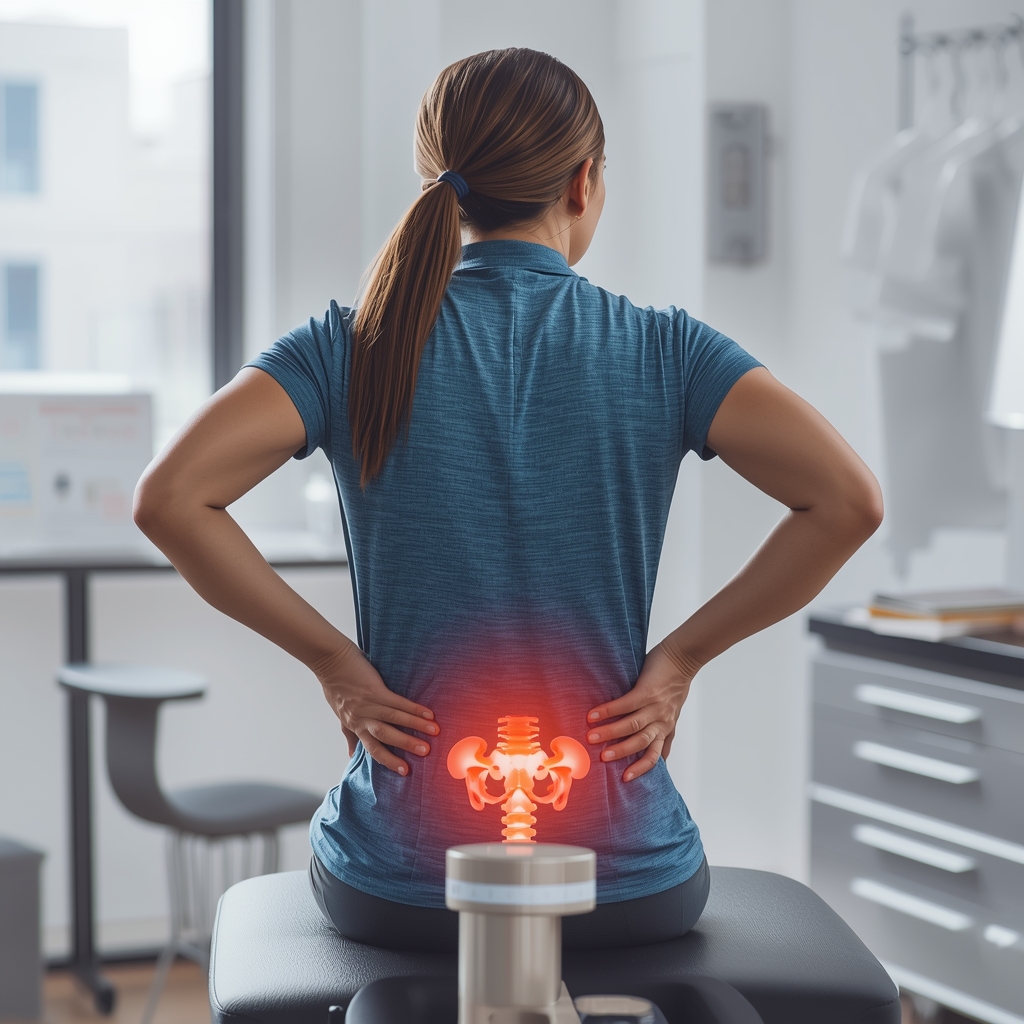
Understanding Sacroiliac Joint Dysfunction in Athletes
Sacroiliac joint dysfunction (SIJD) affects the connection between the sacrum and pelvis, causing pain in the lower back, hips, and thighs. Athletes, particularly those in high-impact sports like running, soccer, or weightlifting, are at higher risk due to repetitive stress, improper biomechanics, or sudden movements. This condition can disrupt performance, lead to compensatory injuries, and reduce mobility. Non-invasive chiropractic care offers targeted solutions to address SIJD without surgery, focusing on realigning the joint, reducing inflammation, and restoring function. Athletes often seek these methods to return to their activities safely while minimizing long-term complications. Understanding the unique demands of athletic lifestyles helps tailor treatments that support both recovery and prevention.
Active Release Technique (ART) for SIJD Relief
Active Release Technique (ART) is a soft tissue therapy that targets adhesions and scar tissue in muscles, tendons, and ligaments. For athletes with SIJD, ART can alleviate tension in the glutes, hamstrings, and hip flexors—muscles that often compensate for sacroiliac joint instability. By breaking down restrictive scar tissue, ART improves range of motion and reduces pressure on the SI joint. This technique is particularly effective for athletes experiencing pain from overuse or repetitive strain. When combined with spinal adjustments, ART helps restore proper biomechanics, allowing the body to function more efficiently. Many athletes report faster recovery times and reduced discomfort after ART sessions, making it a valuable tool in managing SIJD.
Graston Technique and Instrument-Assisted Soft Tissue Mobilization
The Graston Technique uses specialized instruments to detect and treat soft tissue restrictions, making it ideal for athletes with SIJD. By identifying areas of scar tissue or inflammation, chiropractors can apply precise pressure to break down adhesions and promote healing. This method is especially beneficial for athletes who experience chronic SIJD due to repeated microtrauma. The Graston Technique enhances blood flow, reduces pain, and accelerates recovery by restoring normal tissue function. Athletes often find this approach complementary to other treatments, as it addresses both the symptoms and underlying causes of SIJD. When integrated into a comprehensive care plan, it helps prevent future flare-ups by maintaining optimal musculoskeletal health.
Spinal Adjustments and Joint Realignment
Spinal adjustments are a cornerstone of chiropractic care for SIJD, focusing on restoring proper alignment to the sacroiliac joint. Athletes with SIJD often have misalignments that contribute to pain and instability. Chiropractors use manual or instrument-assisted techniques to gently realign the joint, reducing inflammation and improving mobility. This approach not only alleviates immediate discomfort but also addresses the root cause of the dysfunction. For athletes, maintaining proper joint mechanics is crucial for preventing recurrence, as even minor misalignments can lead to compensatory patterns. Regular adjustments help stabilize the pelvis, supporting the demands of physical activity and reducing the risk of re-injury.
Corrective Exercises for Long-Term SIJD Management
Corrective exercises are essential for strengthening the muscles that support the sacroiliac joint, such as the core, glutes, and hip stabilizers. Athletes with SIJD often benefit from tailored programs that improve posture, balance, and flexibility. These exercises help correct biomechanical imbalances that contribute to joint dysfunction, reducing the likelihood of future episodes. Common recommendations include planks, bridges, and hip mobility drills, which enhance stability and prevent compensatory movements. By incorporating these exercises into their routine, athletes can maintain joint health and adapt to the physical stresses of their sport. A chiropractor can design a personalized plan to ensure exercises align with the athlete’s specific needs and goals.
Preventing Recurrence Through Holistic Care
Preventing SIJD recurrence requires a proactive approach that combines chiropractic care with lifestyle adjustments. Athletes should prioritize regular check-ups to monitor joint alignment and address minor issues before they escalate. Additionally, maintaining proper warm-up routines, using correct technique during training, and avoiding overtraining can reduce strain on the sacroiliac joint. Chiropractors may also recommend ergonomic adjustments, such as proper footwear or equipment, to support pelvic stability. By integrating non-invasive treatments with preventive strategies, athletes can sustain long-term relief and minimize the risk of re-injury. A holistic care plan empowers athletes to manage SIJD effectively while maintaining peak performance.














