
Understanding Lumbar Spinal Stenosis and Its Impact
Lumbar spinal stenosis occurs when the spinal canal in the lower back narrows, compressing nerves and causing pain, numbness, or weakness in the legs. This condition often develops with age due to degenerative changes in the spine. While conservative treatments like medication or lifestyle adjustments may offer temporary relief, many patients seek targeted interventions. Spinal decompression techniques and traditional physical therapy are two approaches frequently considered. Understanding their roles helps patients make informed decisions about their care. Both aim to reduce pressure on nerves and improve mobility, but they differ in methods and goals.
Spinal Decompression Techniques: How They Work
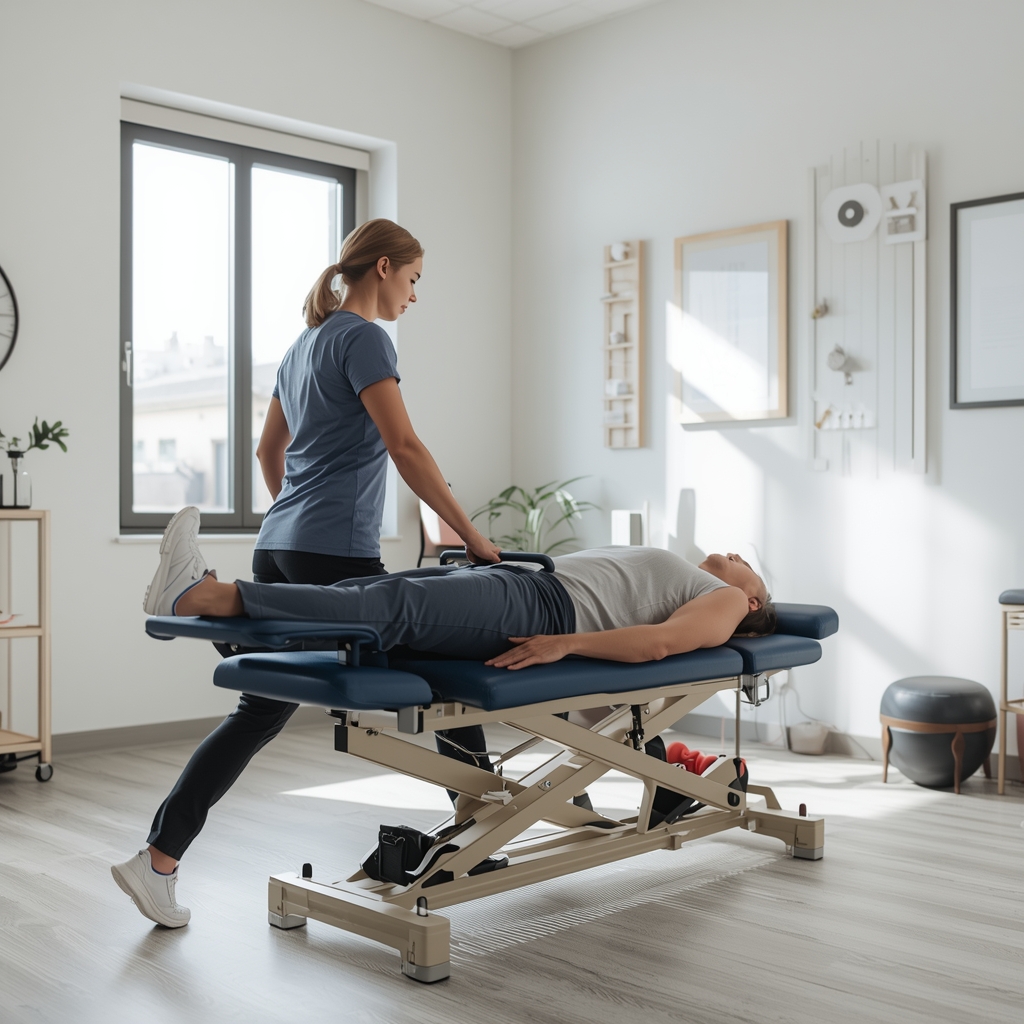
Spinal decompression involves gently stretching the spine to relieve pressure on compressed nerves. Mechanical traction devices or manual adjustments by a chiropractor can create negative pressure in the discs, potentially reducing bulging or herniation. Techniques like inversion tables, flexion-distraction, or spinal manipulative therapy are commonly used. These methods aim to widen the spaces between vertebrae, alleviating symptoms associated with stenosis. While some studies suggest benefits, results vary, and outcomes depend on the patient’s condition and practitioner expertise. Decompression is often part of a broader treatment plan rather than a standalone solution.
Traditional Physical Therapy for Spinal Stenosis
Physical therapy focuses on strengthening core muscles, improving flexibility, and enhancing posture to reduce spinal strain. Exercises like stretching, low-impact aerobics, and resistance training are tailored to each patient’s needs. Therapists may also use modalities like heat, ice, or electrical stimulation to manage pain. The goal is to improve functional mobility and prevent further degeneration. Unlike decompression, physical therapy emphasizes long-term lifestyle changes and patient engagement. It is often recommended as a first-line treatment due to its non-invasive nature and low risk of side effects. However, its effectiveness can depend on consistent participation and adherence to prescribed routines.
Comparing Decompression and Physical Therapy: Key Differences
Spinal decompression and physical therapy address lumbar stenosis through distinct mechanisms. Decompression directly targets nerve compression, while physical therapy focuses on building strength and endurance. Decompression may offer quicker symptom relief for some, but its long-term benefits are less studied. Physical therapy, on the other hand, promotes overall spinal health and reduces recurrence risk. Both approaches can complement each other, with decompression providing acute relief and physical therapy supporting sustained recovery. Patients should consider their specific symptoms, preferences, and provider recommendations when choosing between these options.
Factors Influencing Treatment Choice
The decision between decompression and physical therapy depends on several factors. Severity of symptoms, underlying health conditions, and patient goals play a role. For example, someone with severe leg pain might benefit from decompression’s targeted approach, while another prioritizing long-term mobility may prefer physical therapy. A chiropractor or physical therapist can assess individual needs and recommend a personalized plan. It’s also important to consider potential risks, such as temporary discomfort during decompression or overexertion in therapy. Open communication with healthcare providers ensures the chosen method aligns with the patient’s overall health strategy.
Conclusion: Choosing the Right Approach
Both spinal decompression and traditional physical therapy offer viable options for managing lumbar spinal stenosis. While decompression may provide direct relief from nerve pressure, physical therapy addresses root causes through strengthening and lifestyle adjustments. Patients should view these treatments as part of a comprehensive care strategy rather than isolated solutions. Consulting a qualified chiropractor or physical therapist is essential to determine the best path forward. By understanding the benefits and limitations of each approach, individuals can make informed choices that support their long-term spinal health and quality of life.












