
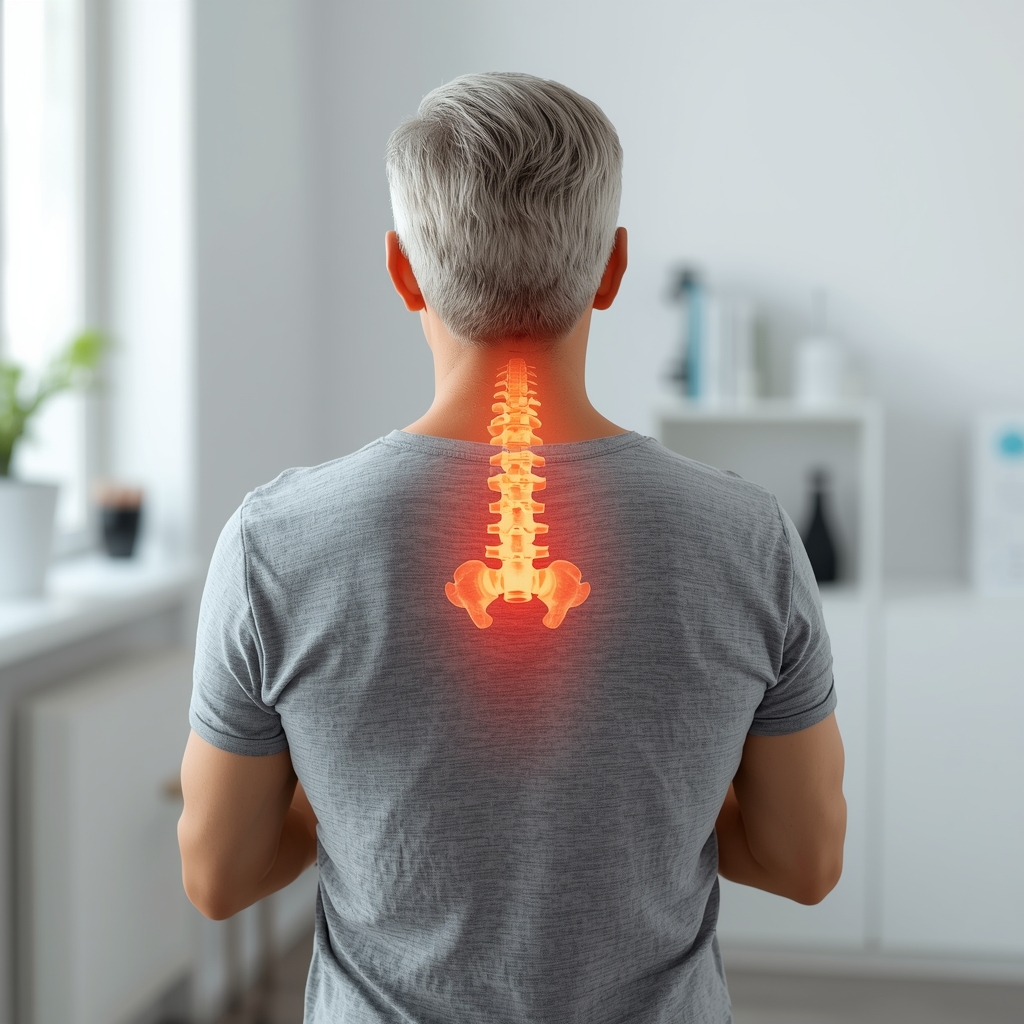
Understanding Cervical Spinal Stenosis and Chiropractic Care
Cervical spinal stenosis occurs when the spinal canal in the neck narrows, potentially compressing the spinal cord or nerves. This can lead to pain, numbness, or mobility issues. While medical treatments like medication or surgery are common, chiropractic care offers non-invasive options to manage symptoms. Chiropractors focus on spinal alignment and nervous system function, aiming to reduce pressure on affected areas. For cervical stenosis, techniques such as spinal adjustments, decompression therapy, and soft tissue work may help improve mobility. However, it’s crucial to consult a licensed chiropractor for personalized guidance, as each case varies in severity and underlying causes.
Spinal Adjustments for Cervical Spinal Stenosis
Spinal adjustments, a core chiropractic technique, involve manual manipulation of the spine to restore proper alignment. In cervical stenosis, misalignments (subluxations) may exacerbate nerve compression. By gently realigning the vertebrae, adjustments can alleviate pressure on nerves and the spinal cord, potentially reducing pain and improving range of motion. Chiropractors use controlled, specific movements to target affected areas, often focusing on the upper cervical region. While adjustments alone may not reverse stenosis, they can complement other therapies by enhancing spinal function. Patients often report reduced stiffness and better mobility after sessions, though results depend on the condition’s progression and individual response.
Decompression Therapy for Nerve Relief
Spinal decompression therapy uses mechanical traction to gently stretch the spine, creating negative pressure that may help relieve nerve compression. This technique is often used for conditions like herniated discs or spinal stenosis, where narrowed spaces irritate nerves. By reducing pressure on the spinal cord and nerve roots, decompression can ease pain and improve mobility. Some chiropractors combine this with other modalities, such as heat or electrical stimulation, to enhance outcomes. While research on its effectiveness for stenosis is ongoing, many patients find it beneficial for managing symptoms. It’s typically part of a broader care plan, requiring multiple sessions for optimal results. As with all treatments, a chiropractor should assess suitability based on the patient’s specific condition.
Soft Tissue Techniques and Muscle Relaxation
Soft tissue therapies, including Active Release Technique (ART) and myofascial release, address muscle tension and tightness that may contribute to cervical stenosis symptoms. Over time, muscle imbalances or spasms can worsen spinal alignment and nerve irritation. These techniques target restricted soft tissues, improving flexibility and reducing discomfort. For example, ART involves applying pressure while moving the affected area to break up adhesions. By alleviating muscle strain, these methods can indirectly support spinal realignment and enhance mobility. Chiropractors often use soft tissue work alongside adjustments to address both structural and muscular factors. Patients may experience immediate relief from tension, though long-term benefits require consistent care and lifestyle adjustments.
Integrating Chiropractic Care with Other Approaches
Chiropractic care for cervical stenosis is often most effective when combined with complementary strategies. Physical therapy exercises, for instance, can strengthen neck muscles and improve posture, supporting spinal stability. Ergonomic adjustments at work or home may also reduce strain on the cervical spine. Some chiropractors recommend heat therapy, ultrasound, or electrical stimulation to manage inflammation and pain. Additionally, lifestyle changes like regular movement and stress management can enhance overall outcomes. It’s important to note that chiropractic care does not replace medical treatment but may serve as a valuable adjunct. A holistic approach, tailored to the patient’s needs, can maximize mobility and quality of life while minimizing discomfort.
Consulting a Chiropractor for Personalized Care
Each case of cervical spinal stenosis is unique, requiring a customized treatment plan. A licensed chiropractor will conduct a thorough evaluation, including medical history and physical exams, to determine the best approach. They may use imaging like X-rays or MRI scans to assess the spine’s condition. Based on this, they can recommend techniques such as adjustments, decompression, or soft tissue work. It’s essential to discuss any existing medical conditions or treatments to ensure safety. While chiropractic care can provide relief, it’s not a cure for stenosis. Patients should maintain open communication with their chiropractor and other healthcare providers to monitor progress and adjust the plan as needed. Regular follow-ups help ensure care remains effective and aligned with the patient’s goals.












