
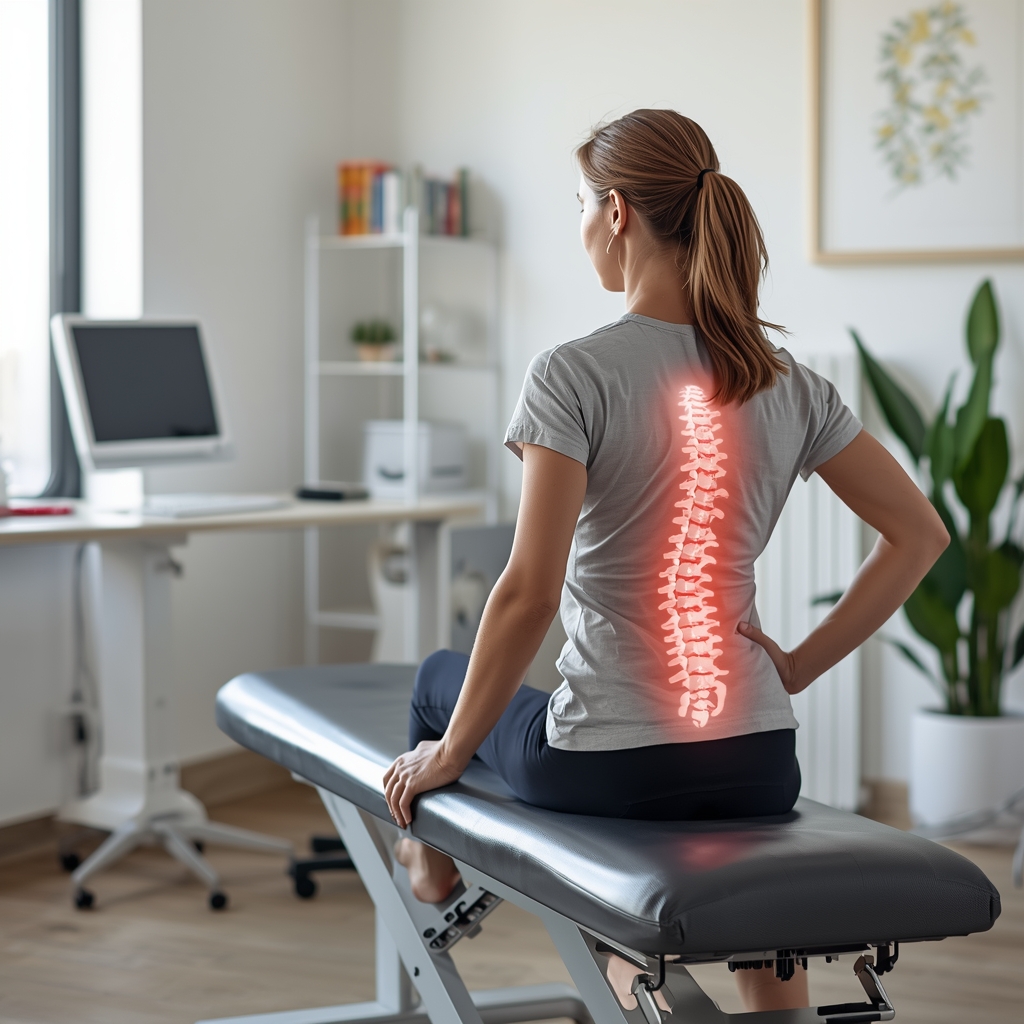
Understanding Spinal Decompression Therapy
Spinal decompression therapy is a non-invasive treatment designed to relieve pressure on compressed spinal nerves. It uses specialized equipment to gently stretch the spine, creating space between vertebrae. This process can reduce pain caused by herniated discs, sciatica, or degenerative disc disease. Unlike surgical interventions, it avoids incisions and anesthesia. The therapy is often used for chronic back pain when traditional methods like medication or physical therapy have not provided sufficient relief. While it is not a cure, many patients report improved mobility and reduced discomfort. It is typically part of a broader treatment plan, often combined with other therapies to address the root causes of pain.
Comparing to Physical Therapy and Exercise
Physical therapy and targeted exercise programs focus on strengthening muscles, improving flexibility, and correcting posture to alleviate back pain. These approaches are often recommended as first-line treatments due to their low risk and broad applicability. Spinal decompression therapy may complement these methods by addressing structural issues that exercise alone cannot resolve. While physical therapy emphasizes long-term lifestyle changes, decompression offers a more direct intervention for specific spinal conditions. Both approaches aim to reduce pain and improve function, but their mechanisms differ. A chiropractor can help determine which method aligns best with a patient’s goals and condition.
Acupuncture and Dry Needling as Alternatives
Acupuncture and dry needling involve inserting thin needles into specific points on the body to stimulate healing and pain relief. These techniques are often used for chronic pain conditions, including back pain, and are considered safe when performed by trained practitioners. While spinal decompression targets spinal mechanics, acupuncture and dry needling focus on nervous system responses and muscle tension. Some patients find these therapies effective for pain management, though results can vary. Combining these methods with decompression may enhance outcomes by addressing both structural and neurological factors. As with all treatments, individual results depend on the underlying cause of pain and the patient’s overall health.
Chiropractic Adjustments and Spinal Manipulation
Chiropractic adjustments involve manual manipulation of the spine to restore proper alignment and function. This approach is widely used for back pain and is often more immediate in its effects compared to decompression therapy. While decompression focuses on reducing pressure between discs, adjustments address misalignments that may contribute to pain. Both methods are non-pharmaceutical and can be part of a comprehensive care plan. However, adjustments may require more frequent sessions, whereas decompression is typically administered in a series of sessions. The choice between them depends on the patient’s condition, preferences, and the chiropractor’s recommendation.
Exploring Cold Laser and Electrical Stimulation
Cold laser therapy and electrical stimulation (such as TENS units) are other drug-free options for managing chronic back pain. Cold laser uses low-level light to reduce inflammation and promote tissue healing, while electrical stimulation targets pain signals through mild electrical currents. These therapies are generally safe and can be used alongside spinal decompression. Unlike decompression, which addresses spinal mechanics, they focus on pain modulation and inflammation. They may provide temporary relief but are often not sufficient as standalone treatments for structural issues. Patients should discuss their options with a healthcare provider to determine the most effective combination of therapies.
Choosing the Right Approach for Chronic Pain
Chronic back pain management requires a personalized approach, as no single treatment works for everyone. Spinal decompression therapy offers a targeted solution for specific spinal conditions, while other methods like physical therapy, acupuncture, or chiropractic adjustments address broader musculoskeletal factors. Drug-free alternatives prioritize safety and avoid the risks of opioids, making them appealing for long-term care. However, their effectiveness depends on the underlying cause of pain and individual response. A qualified chiropractor can evaluate a patient’s needs and recommend a tailored plan. Open communication with healthcare providers ensures the chosen methods align with the patient’s goals and overall well-being.















