
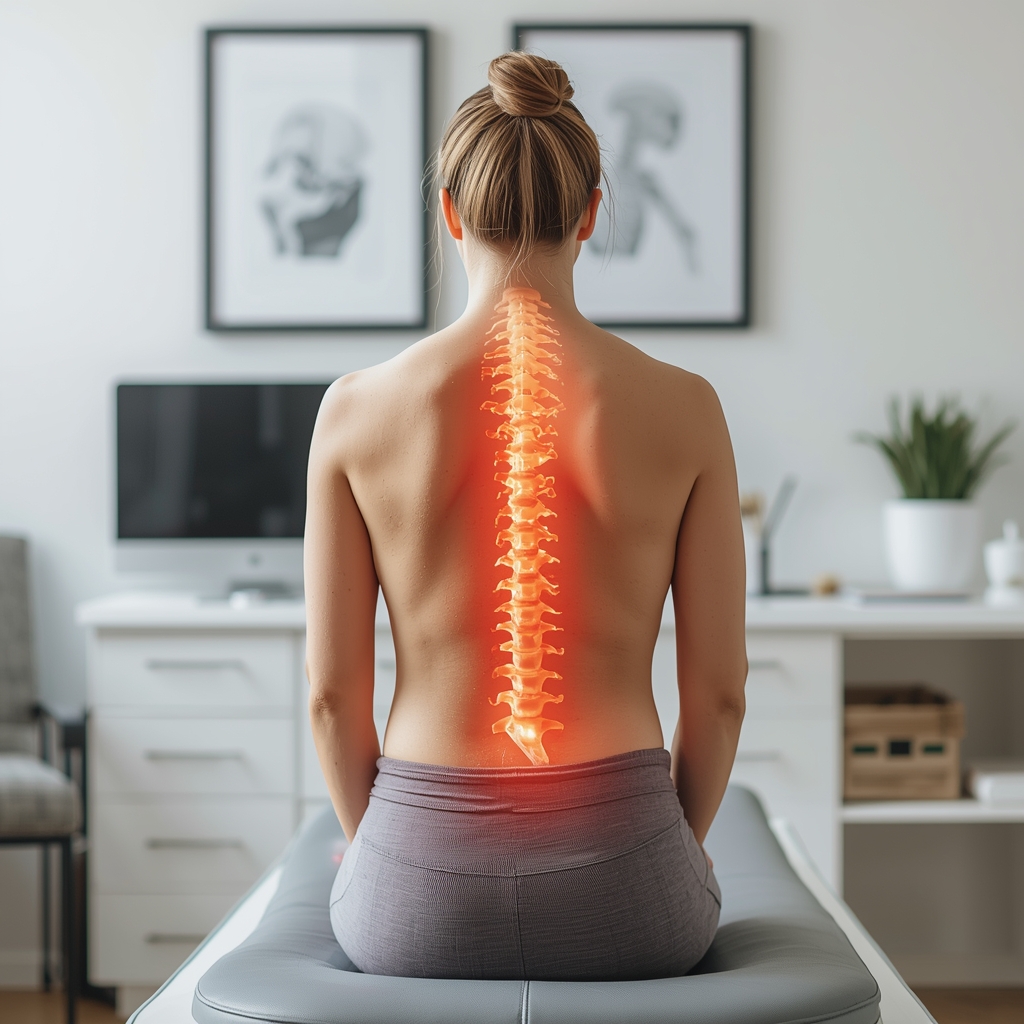
Understanding Chronic Sciatica and the Role of Chiropractic Care
Chronic sciatica, characterized by persistent pain radiating along the sciatic nerve, affects millions globally. This condition often stems from nerve compression, muscle spasms, or spinal misalignments. While opioids are commonly prescribed, they carry risks of dependency and side effects. Chiropractic care offers a non-invasive alternative, focusing on addressing root causes rather than masking symptoms. By prioritizing the body’s natural healing mechanisms, chiropractors aim to reduce inflammation, improve mobility, and restore function. This approach aligns with broader efforts to minimize pharmaceutical reliance, making it a valuable option for long-term pain management. Understanding effective strategies requires examining evidence-based techniques that have shown promise in clinical practice.
Spinal Manipulation and Adjustments
Spinal manipulation, a cornerstone of chiropractic care, involves precise adjustments to realign the spine and alleviate pressure on the sciatic nerve. Research suggests that this technique can reduce inflammation and improve nerve function, offering relief for chronic sciatica. A 2018 review in the *Journal of the American Medical Association* noted that spinal manipulation may provide short-term benefits for low-back pain, including sciatica. While evidence for long-term efficacy varies, many patients report significant symptom reduction. Chiropractors tailor adjustments to individual needs, considering factors like spinal curvature and muscle tension. This personalized approach ensures that interventions are both safe and effective, supporting the body’s ability to heal without medication.
Decompression Therapy and Nerve Relief
Spinal decompression therapy is another strategy used to manage chronic sciatica by gently stretching the spine to relieve pressure on compressed nerves. This non-surgical technique is often recommended for conditions like herniated discs or degenerative disc disease, which can contribute to sciatic pain. Studies indicate that decompression therapy may improve blood flow and reduce inflammation around the sciatic nerve, promoting natural healing. While results vary, many patients experience reduced pain and increased mobility. Chiropractors combine this therapy with other modalities, such as heat or electrical stimulation, to enhance outcomes. It is important to note that decompression therapy should be performed by a trained professional to ensure safety and optimal results.
Soft Tissue Techniques and Muscle Relaxation
Soft tissue therapies, including myofascial release and trigger point therapy, target muscle tension that exacerbates sciatic pain. Chronic sciatica often involves tightness in the piriformis muscle or surrounding tissues, which can compress the sciatic nerve. Chiropractors use hands-on techniques to release these knots, improving flexibility and reducing discomfort. Research highlights the effectiveness of soft tissue work in alleviating musculoskeletal pain, though specific studies on sciatica are limited. These methods are frequently paired with spinal adjustments to address both nerve and muscle components of the condition. Patients often report improved range of motion and decreased pain after consistent treatment, making this a valuable complementary approach.
Exercise and Rehabilitation Strategies
Customized exercise programs are essential for managing chronic sciatica, focusing on strengthening core muscles, improving posture, and enhancing flexibility. Chiropractors often recommend specific stretches and low-impact exercises, such as yoga or swimming, to reduce nerve irritation and prevent future flare-ups. A 2020 study in *Pain Medicine* found that exercise-based interventions significantly improved outcomes for patients with sciatica. These strategies not only alleviate pain but also promote long-term spinal health. Patients are encouraged to engage in regular physical activity, guided by their chiropractor to avoid exacerbating symptoms. Combining exercise with manual therapies creates a holistic approach, empowering individuals to take an active role in their recovery.
Integrating Chiropractic Care with Other Approaches
Chiropractic care for chronic sciatica is often most effective when integrated with other non-pharmacological methods. Techniques like acupuncture, massage therapy, and lifestyle modifications can enhance outcomes by addressing multiple contributing factors. For example, stress management and ergonomic adjustments may reduce posture-related strain on the spine. While evidence for combined therapies is still emerging, many patients find that a multi-modal approach provides more comprehensive relief. It is crucial to consult with a qualified chiropractor to develop a personalized plan that aligns with individual health goals. By prioritizing safety and evidence-based practices, chiropractic care offers a viable alternative to opioids, supporting long-term wellness without medication.














