
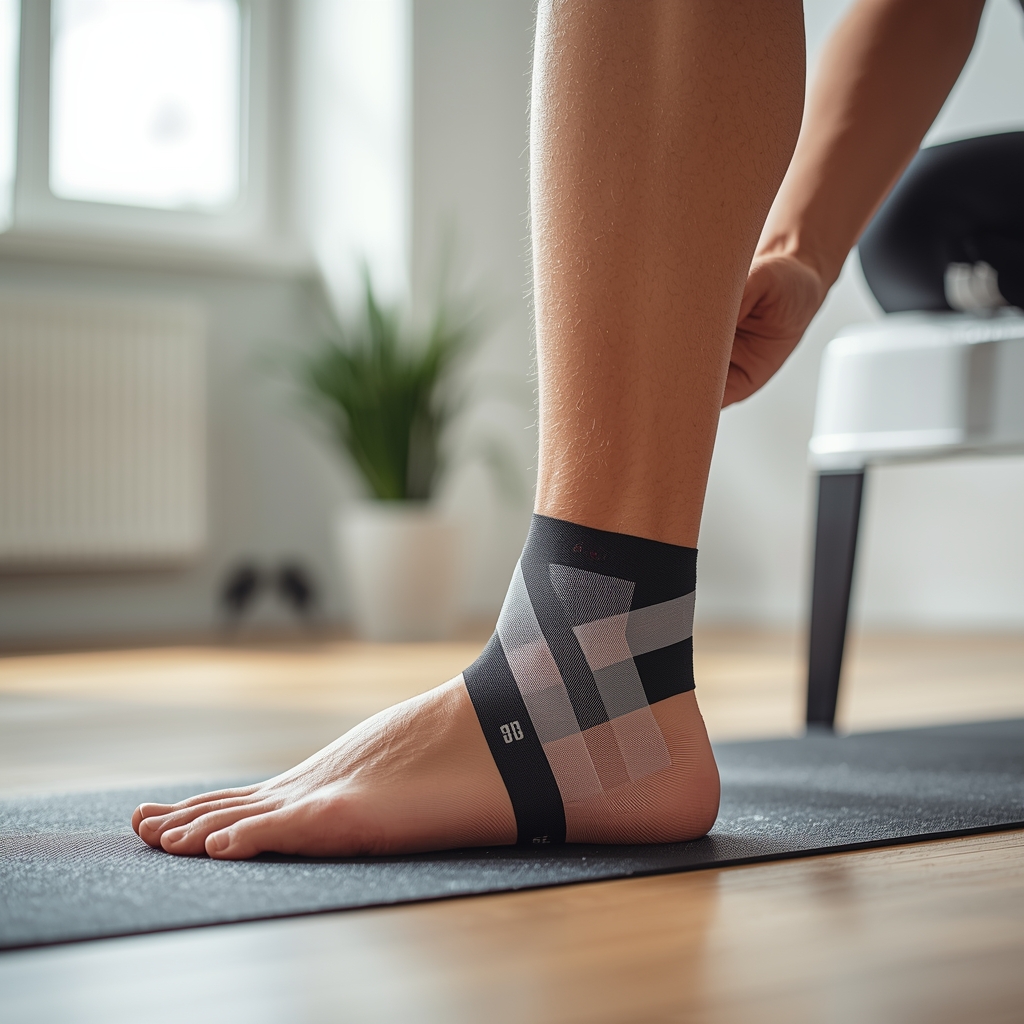
Understanding Kinesio Taping for Ankle Sprains
Kinesio taping is a therapeutic technique using elastic, adhesive tape to support muscles and joints while allowing full range of motion. For athletes, it’s commonly used to manage ankle sprains by reducing swelling, stabilizing the joint, and enhancing proprioception. Ankle sprains often involve ligament stretching or tearing, leading to pain and instability. Kinesio tape can complement traditional treatments like rest, ice, compression, and elevation (RICE) by providing external support. Its elasticity mimics muscle movement, potentially improving circulation and lymphatic drainage. While not a substitute for medical evaluation, it’s a popular tool in sports medicine. Athletes may find it helpful for early intervention, but proper application is critical to avoid complications like skin irritation or improper support.
Key Techniques for Ankle Sprain Support
Three primary kinesio taping techniques are used for ankle sprains: the “I” strip, “Y” strip, and “X” strip. The “I” strip is applied vertically along the lateral aspect of the ankle to stabilize the joint and reduce swelling. The “Y” strip, shaped like a Y, is placed around the Achilles tendon to support the posterior ligaments. The “X” strip crosses over the ankle joint, offering multidirectional stability. Each technique targets different structures—muscles, ligaments, and tendons—to address specific injury needs. For example, the “I” strip may help with inversion sprains, while the “Y” strip supports eversion. Proper tension and placement are essential; too much pressure can restrict circulation, while too little may offer no benefit. Athletes should work with trained professionals to ensure correct application, as improper taping can worsen injuries or delay recovery.
Preparing the Skin and Applying the Tape
Before applying kinesio tape, the skin must be clean, dry, and free of oils or lotions to ensure adhesion. Shaving the area is optional but may improve tape adherence. The athlete should relax the muscle being taped, as tension during application can affect the tape’s effectiveness. For ankle sprains, the tape is typically applied with the foot in a slightly dorsiflexed position to accommodate natural movement. The edges of the tape are trimmed to prevent lifting, and the athlete is advised to avoid soaking the taped area for the first 24 hours. The tape can remain in place for 3–5 days, depending on the product and activity level. If irritation occurs, the tape should be removed immediately. Athletes should monitor for signs of excessive pressure, such as numbness or discoloration, and consult a healthcare provider if concerns arise.
Combining Kinesio Taping with Other Treatments
Kinesio taping works best as part of a comprehensive recovery plan. For ankle sprains, it’s often paired with RICE therapy, physical therapy, and strength training. The tape can help maintain joint alignment during rehabilitation exercises, reducing the risk of re-injury. It may also aid in proprioception, helping athletes regain balance and coordination. However, it shouldn’t replace professional care, especially for severe sprains involving ligament tears. In such cases, imaging (like X-rays or MRIs) and medical supervision are necessary. Physical therapists may incorporate kinesio taping into sessions to guide proper movement patterns. Athletes should follow their provider’s recommendations on when to use the tape and how to integrate it with other interventions, ensuring a safe return to activity.
When to Use and Avoid Kinesio Taping
Kinesio taping is generally safe for mild to moderate ankle sprains but has limitations. It’s most effective for early-stage injuries with minimal swelling. Athletes with open wounds, skin conditions, or allergies to adhesive should avoid it. Those with circulatory issues or deep vein thrombosis (DVT) should consult a healthcare provider before use. The tape should not be applied over broken skin or in cases of severe swelling, as it may impede lymphatic drainage. Additionally, it’s not a substitute for immobilization in acute, high-grade sprains. If pain or swelling worsens after taping, the athlete should stop and seek medical advice. Proper training in application is crucial to avoid misuse, and athletes should always discuss their specific condition with a qualified professional before proceeding.
Conclusion: A Supportive Tool for Athletes
Kinesio taping can be a valuable adjunct in managing ankle sprains, offering support, stability, and enhanced recovery. Techniques like the “I,” “Y,” and “X” strips target specific areas of the ankle, but their effectiveness depends on proper application and integration with other treatments. Athletes should view it as part of a broader strategy that includes rest, rehabilitation, and professional guidance. While it’s not a replacement for medical evaluation, it can aid in early intervention and prevent further injury. As with any therapeutic method, individual results may vary, and consulting a chiropractor or sports medicine specialist is essential to determine the best approach for each situation.













