
Understanding Ulnar Neuropathy and Its Impact
Ulnar neuropathy occurs when the ulnar nerve, which runs from the neck to the hand, becomes compressed or irritated. This condition often causes pain, numbness, or tingling in the ring and little fingers, as well as weakness in the hand. Common causes include repetitive motions, prolonged pressure on the elbow, or trauma. While the exact prevalence varies, many individuals experience symptoms that affect daily activities. Standard treatments typically focus on reducing inflammation, alleviating pressure, or surgical intervention in severe cases. Chiropractic care offers an alternative approach by addressing nerve function and musculoskeletal alignment, potentially providing relief without invasive procedures. Understanding the interplay between nerve health and spinal mechanics is key to exploring targeted chiropractic strategies.
Chiropractic Adjustments for Nerve Relief
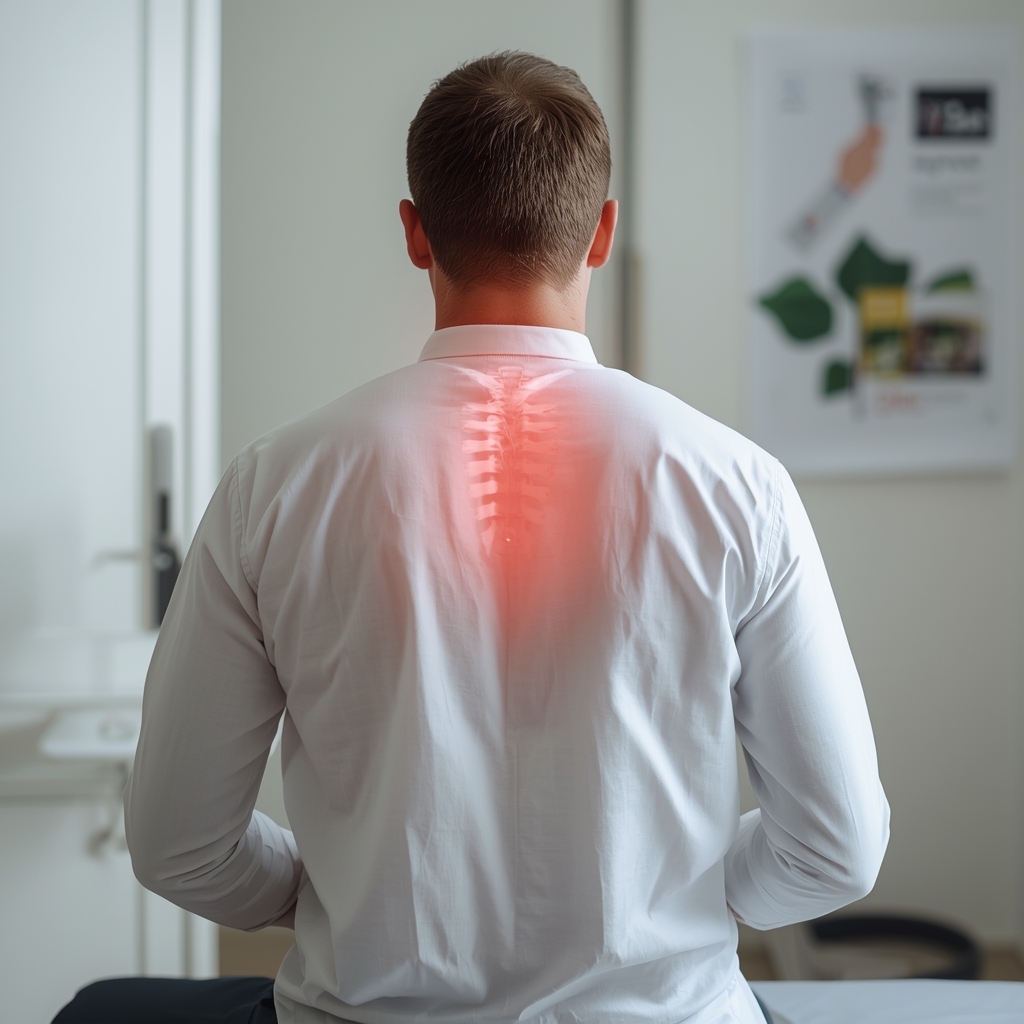
Spinal adjustments are a cornerstone of chiropractic care for nerve-related conditions. By realigning the spine, chiropractors aim to reduce pressure on nerves, including the ulnar nerve, which may be affected by misalignments in the cervical or thoracic regions. These adjustments can improve nerve signal transmission and alleviate symptoms like pain or tingling. For ulnar neuropathy, practitioners may focus on the neck and upper back to ensure optimal nerve function. While research on specific outcomes is limited, many patients report improved comfort after regular adjustments. It’s important to note that chiropractic care is typically part of a broader treatment plan, often combined with other therapies to address the root causes of nerve compression.
Soft Tissue Therapies and Manual Techniques
Soft tissue therapies, such as Active Release Technique (ART) and Graston Technique, are frequently used to address muscle tension and fascial restrictions that may contribute to nerve compression. These methods involve targeted manipulation of muscles, tendons, and ligaments to reduce pressure on the ulnar nerve. For example, tight muscles in the forearm or elbow area can exacerbate symptoms, and manual therapies may help restore flexibility and function. Chiropractors often integrate these techniques with spinal adjustments to create a holistic approach. While standard treatments might rely on splinting or medication, soft tissue work offers a non-invasive option to enhance mobility. Patients are encouraged to discuss these strategies with their provider to determine suitability for their condition.
Comparing Chiropractic and Standard Treatment Approaches
Standard treatments for ulnar neuropathy often include anti-inflammatory medications, corticosteroid injections, or surgery in severe cases. These interventions aim to reduce inflammation or decompress the nerve directly. In contrast, chiropractic care focuses on addressing musculoskeletal imbalances that may contribute to nerve irritation. While traditional methods target symptoms, chiropractic strategies seek to improve overall nerve function and posture. For instance, adjustments and soft tissue therapies may alleviate pressure without the need for drugs or surgery. However, the effectiveness of chiropractic care can vary, and it is not a substitute for medical evaluation. Patients should work with both chiropractors and healthcare providers to create a comprehensive plan tailored to their needs.
Integrative Strategies for Symptom Management
Chiropractic care often incorporates integrative approaches to enhance outcomes for ulnar neuropathy. These may include ergonomic adjustments, postural retraining, or exercises to strengthen surrounding muscles. For example, correcting repetitive strain patterns or improving workspace setup can reduce nerve irritation. Chiropractors may also recommend lifestyle modifications, such as avoiding prolonged elbow flexion, to prevent symptom recurrence. While standard treatments focus on direct nerve intervention, integrative methods address contributing factors like posture or movement habits. Combining these approaches can lead to more sustainable relief. Patients are advised to collaborate with their chiropractor to develop a personalized strategy that aligns with their daily activities and goals.
Consulting a Qualified Chiropractic Professional
Effectively managing ulnar neuropathy requires a tailored approach, and chiropractors are trained to assess and address nerve-related issues. However, it is crucial to consult a licensed professional who can evaluate the condition and recommend appropriate interventions. Each patient’s situation is unique, and what works for one individual may not apply to another. Chiropractors may use diagnostic tools or collaborate with other healthcare providers to ensure safe and effective care. Patients should communicate openly about their symptoms, medical history, and treatment preferences. By working with a qualified practitioner, individuals can explore chiropractic strategies that align with their overall health goals while avoiding unproven or potentially harmful methods.













