
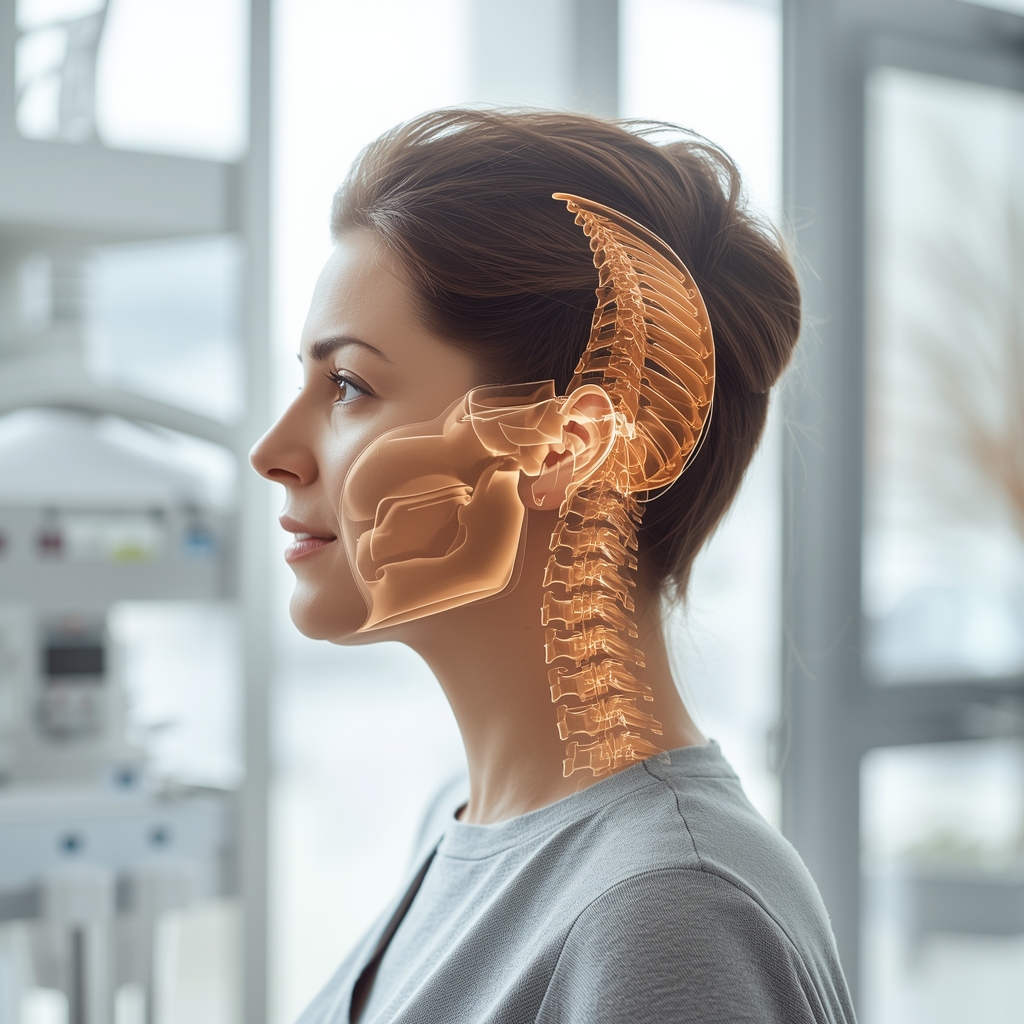
Understanding Temporomandibular Joint Dysfunction
Temporomandibular joint (TMJ) dysfunction affects the jaw joint and surrounding muscles, causing pain, limited movement, and clicking sounds. Common causes include teeth grinding, arthritis, or trauma. Symptoms often disrupt daily activities like eating or speaking. While treatments range from physical therapy to dental appliances, chiropractic care offers an alternative approach. The X-System Adjustment Technique is one method used to address TMJ issues by targeting spinal and cranial alignment. This technique focuses on restoring balance to the musculoskeletal system, which may alleviate pressure on the jaw. However, its effectiveness remains a topic of discussion among healthcare professionals. Patients considering this method should consult a qualified chiropractor to explore options tailored to their condition.
What Is the X-System Adjustment Technique?
The X-System Adjustment Technique is a specialized chiropractic method designed to correct misalignments in the spine and skull. It combines manual adjustments with specific patient positioning to restore proper biomechanics. Practitioners use a handheld instrument to apply controlled force, aiming to realign vertebrae and reduce nerve interference. For TMJ dysfunction, the technique may address cervical spine misalignments that contribute to jaw discomfort. By improving spinal stability, the X-System seeks to enhance overall musculoskeletal function. Some practitioners believe that correcting these imbalances can indirectly ease TMJ symptoms. However, the technique’s direct impact on jaw joint health requires further investigation. Patients should approach it as one of many potential treatments, discussing risks and benefits with their chiropractor.
How the X-System Targets TMJ Dysfunction
The X-System Adjustment Technique addresses TMJ dysfunction by focusing on the interconnected relationship between the spine, skull, and jaw. Misalignments in the cervical or upper thoracic spine can create tension in the muscles surrounding the temporomandibular joint. By correcting these spinal irregularities, the technique may reduce referred pain and improve jaw mobility. Additionally, the X-System aims to balance the nervous system, which could alleviate muscle spasms or inflammation linked to TMJ. Practitioners often combine adjustments with soft tissue work to release tight muscles contributing to jaw discomfort. While anecdotal reports suggest symptom relief, the mechanism remains under-researched. Patients considering this approach should seek a chiropractor experienced in cranial and spinal adjustments to ensure safe and effective care.
Evidence Supporting Chiropractic Approaches for TMJ
While specific research on the X-System Adjustment Technique is limited, broader chiropractic interventions for TMJ dysfunction show promise. Studies indicate that spinal adjustments can reduce muscle tension and improve joint function, which may indirectly benefit the jaw. For example, correcting cervical spine misalignments has been associated with decreased pain in patients with TMJ disorders. Additionally, some research highlights the role of the nervous system in regulating jaw muscle activity, suggesting that chiropractic care could influence this process. However, most studies focus on general chiropractic care rather than the X-System specifically. Patients should be aware that results vary, and outcomes depend on individual factors. Consulting a chiropractor for a personalized assessment is essential to determine if this technique aligns with their treatment goals.
Benefits and Considerations for Patients
Patients with TMJ dysfunction may find the X-System Adjustment Technique beneficial for reducing pain and improving jaw function. By addressing spinal and cranial imbalances, it offers a non-invasive alternative to traditional treatments. Some individuals report decreased muscle tension and better overall mobility after sessions. However, results are not guaranteed, and the technique’s effectiveness can vary based on the severity of the condition. It is crucial to choose a licensed chiropractor with experience in TMJ care to minimize risks. Patients should also communicate openly about their symptoms and medical history to ensure safe treatment. While the X-System may complement other therapies, it should not replace conventional medical advice. Exploring multiple options with a healthcare provider is key to finding the most suitable solution.
Conclusion: Exploring the X-System for TMJ Relief
The X-System Adjustment Technique presents a unique approach to managing TMJ dysfunction by focusing on spinal and cranial realignment. While direct research on this specific method is scarce, chiropractic care’s broader impact on musculoskeletal health suggests potential benefits. Patients considering the X-System should prioritize consulting a qualified chiropractor to discuss their individual needs. Open communication with healthcare providers ensures that any treatment plan is safe and well-informed. As with all medical decisions, weighing the risks, benefits, and alternatives is essential. By staying informed and proactive, individuals with TMJ issues can explore options that may improve their quality of life.












