Understanding Chronic Plantar Fasciitis
Chronic plantar fasciitis involves persistent inflammation of the thick band of tissue connecting the heel bone to the toes. This condition often causes severe heel pain, especially during the first steps in the morning or after prolonged activity. While rest and basic care can help, many patients require targeted interventions to manage symptoms effectively. The plantar fascia becomes overworked due to factors like improper footwear, excessive standing, or biomechanical imbalances. Addressing this requires a multifaceted approach, combining therapeutic techniques to reduce tension and promote healing. Stretching and kinesio taping are two strategies that may support recovery by improving flexibility and providing structural support. However, these methods should be tailored to individual needs under professional guidance to avoid further strain.
Key Stretching Exercises for Plantar Fasciitis
Stretching the plantar fascia, calves, and Achilles tendon is a cornerstone of managing chronic plantar fasciitis. A simple calf stretch involves leaning against a wall with one foot forward and the back leg straight, holding for 30 seconds. Toe stretches, such as pulling the toes upward to elongate the arch, can also be beneficial. For direct plantar fascia relief, patients may gently pull the toes back toward the shin while keeping the knee straight. These exercises help alleviate tightness that contributes to pain. It’s important to perform stretches consistently, ideally multiple times daily, but avoid overstretching to prevent additional discomfort. Combining these routines with other therapies, like kinesio taping, may enhance outcomes. Always consult a chiropractor to ensure proper form and avoid exacerbating the condition.
Role of Kinesio Taping in Recovery
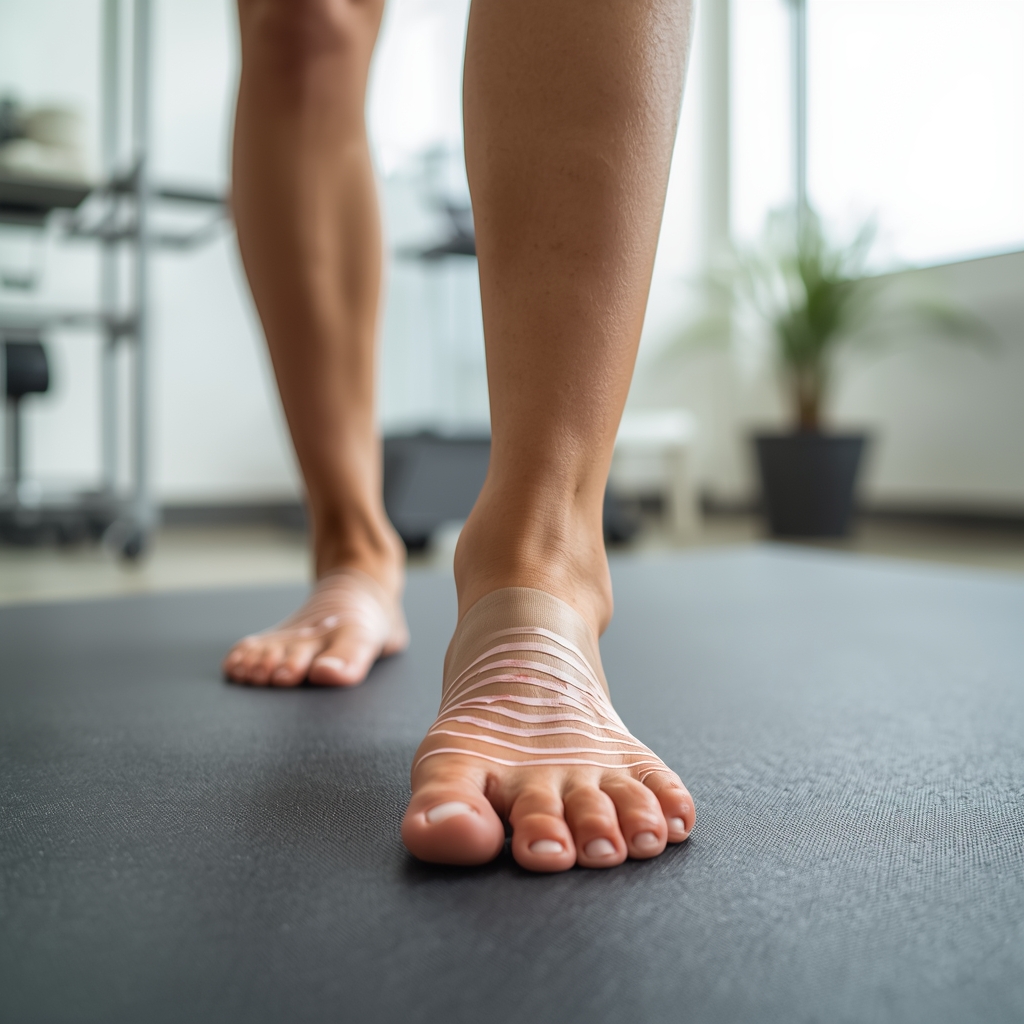
Kinesio taping is a technique that uses elastic therapeutic tape to support muscles and joints while allowing full range of motion. For plantar fasciitis, the tape is applied to the bottom of the foot to reduce pressure on the inflamed tissue and promote circulation. The tape can also help correct biomechanical imbalances by gently lifting the skin and fascia. This method is often used alongside stretching to provide both mechanical support and sensory feedback. While some studies suggest kinesio taping may offer short-term pain relief, its long-term efficacy varies among individuals. The tape should be applied by a trained professional to ensure proper placement and tension. Patients may notice improved comfort during daily activities, but results depend on consistent use and complementary care.
Combining Stretching and Kinesio Taping
Integrating stretching with kinesio taping can create a synergistic effect for chronic plantar fasciitis. Stretching reduces muscle tightness, while taping provides ongoing support to prevent re-injury. For example, applying kinesio tape after a stretching session may help maintain the stretched position and reduce inflammation. This combination can also encourage better movement patterns by reinforcing proper foot mechanics. However, the timing and sequence of these interventions matter. Some practitioners recommend taping before stretching to prepare the tissue, while others suggest stretching first to enhance the tape’s effectiveness. Patients should work with a chiropractor to determine the optimal approach for their specific condition, as individual responses may vary significantly.
Step-by-Step Protocol for Patients
A practical protocol for managing chronic plantar fasciitis involves a structured routine of stretching and kinesio taping. Begin with a 5-minute warm-up, such as walking in place, to increase blood flow. Perform calf stretches, toe stretches, and plantar fascia stretches for 30 seconds each, repeating 2-3 times. Apply kinesio tape to the bottom of the foot, ensuring it is snug but not restrictive. Wear the tape for 24-48 hours, reapplying as needed. Avoid high-impact activities during this time to prevent strain. Monitor symptoms and adjust the routine if discomfort arises. This protocol should be part of a broader care plan that includes proper footwear, weight management, and regular chiropractic checkups. Always seek professional advice before starting new treatments to ensure safety and effectiveness.
When to Consult a Chiropractor
While stretching and kinesio taping can be helpful, they are not substitutes for professional evaluation. A chiropractor can assess the root causes of chronic plantar fasciitis, such as foot structure or gait abnormalities, and recommend personalized strategies. They may also integrate other therapies, like spinal adjustments or soft tissue techniques, to address related issues. If symptoms persist despite self-care, it’s crucial to seek expert guidance. A chiropractor can refine the stretching and taping approach, ensuring it aligns with the patient’s overall health goals. Regular follow-ups allow for adjustments to the treatment plan, optimizing long-term outcomes. Remember, individualized care is key to managing chronic conditions effectively and safely.