
Understanding Chronic Plantar Fasciitis and Its Challenges
Chronic plantar fasciitis involves persistent inflammation of the thick tissue band connecting the heel bone to the toes, often causing severe heel pain. Traditional treatments like stretching, orthotics, and anti-inflammatory medications may provide partial relief but frequently fall short for long-term management. Patients often seek complementary approaches to address underlying musculoskeletal imbalances. Chiropractors may integrate massage therapy to target soft tissue restrictions, improve circulation, and reduce muscle tension contributing to the condition. This holistic strategy acknowledges the interconnected nature of the body’s systems, aiming to restore function without relying solely on invasive interventions.
How Chiropractors Can Incorporate Massage Therapy
Chiropractors can collaborate with licensed massage therapists to design personalized treatment plans that align with spinal and musculoskeletal health goals. Initial assessments help identify areas of tightness, such as the gastrocnemius, soleus, or Achilles tendon, which may exacerbate plantar fasciitis. Massage techniques can be applied pre- or post-adjustment to enhance joint mobility and reduce compensatory patterns. For example, myofascial release before an adjustment may loosen restricted tissues, making the manipulation more effective. Chiropractors should ensure therapists are trained in neuromuscular techniques and understand the patient’s specific condition to avoid exacerbating symptoms.
Effective Massage Techniques for Plantar Fasciitis
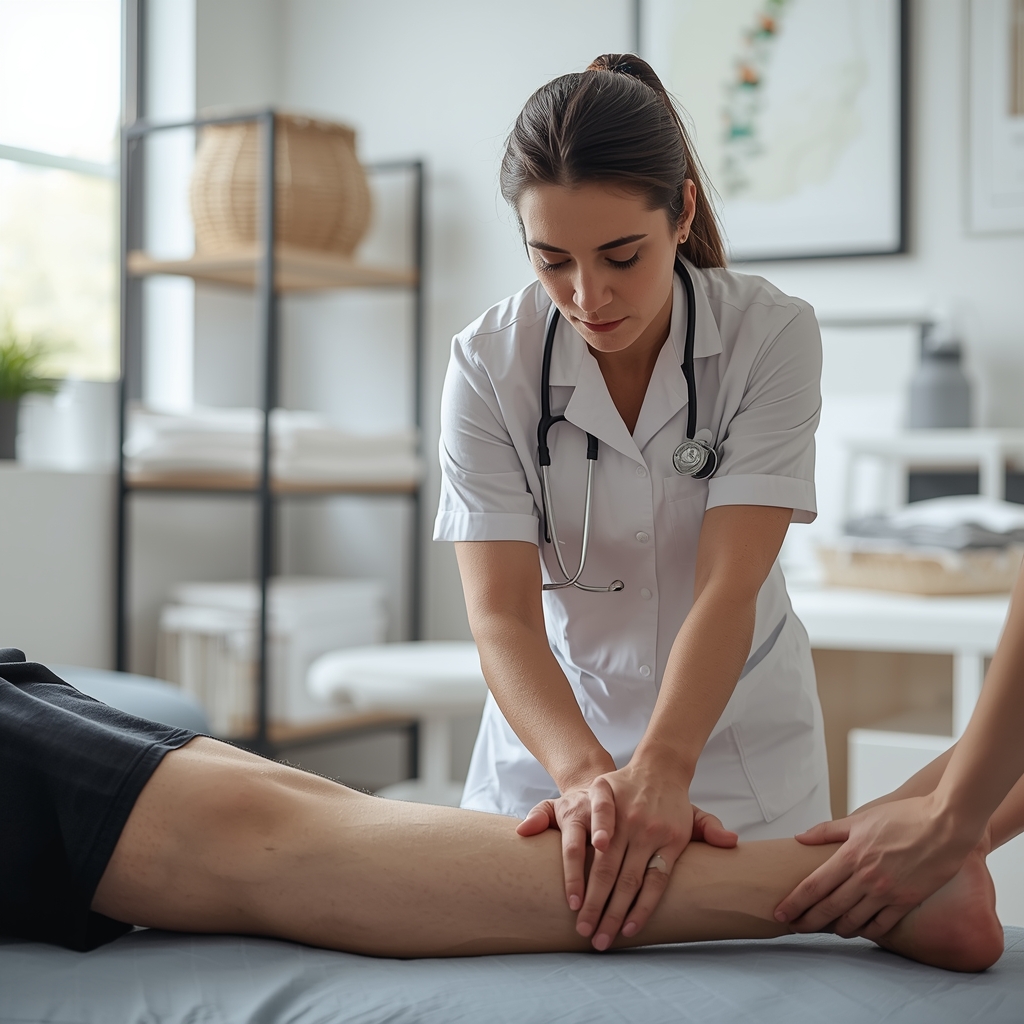
Soft tissue mobilization, such as deep tissue massage, can break down adhesions in the plantar fascia and surrounding muscles. Myofascial release techniques focus on easing tension in the fascia through sustained pressure, while trigger point therapy targets specific knots that refer pain to the heel. Cross-fiber friction massage, applied directly to the plantar fascia, may reduce scar tissue formation and promote healing. Neuromuscular therapy addresses imbalances in the lower leg, such as overactive calf muscles, which can strain the fascia. These techniques are most effective when combined with chiropractic adjustments that realign the foot and spine, addressing biomechanical factors contributing to the condition.
Addressing Biomechanical and Postural Factors
Plantar fasciitis often stems from altered biomechanics, such as overpronation or poor foot mechanics. Massage therapy can complement chiropractic care by relaxing tight muscles that pull the foot into improper alignment. For instance, tight hamstrings or hip flexors may indirectly affect gait patterns, increasing stress on the plantar fascia. By addressing these compensatory patterns, massage helps create a more stable foundation for adjustments. Chiropractors may also recommend home exercises or ergonomic adjustments to maintain progress between sessions. This integrated approach ensures that both soft tissue and structural imbalances are addressed systematically.
Monitoring Progress and Adjusting Treatment Plans
Regular evaluation is critical to assess how massage therapy impacts a patient’s symptoms and overall function. Chiropractors should track changes in pain levels, range of motion, and gait patterns to determine the effectiveness of combined treatments. If progress plateaus, techniques may be modified—such as increasing the intensity of soft tissue work or incorporating dry needling. Open communication between the patient, chiropractor, and massage therapist ensures adjustments are made promptly. Patients should be encouraged to report any discomfort or new symptoms, as this feedback helps refine the care plan while prioritizing safety and comfort.
Collaborative Care for Long-Term Relief
Integrating massage therapy into chiropractic care for chronic plantar fasciitis requires a team-based approach. Chiropractors should establish relationships with qualified massage therapists who understand musculoskeletal conditions. Clear documentation of each session’s goals and outcomes fosters consistency in treatment. Patients benefit from a cohesive strategy that addresses both immediate pain and underlying causes. While massage therapy can alleviate symptoms, long-term success depends on addressing lifestyle factors like footwear, activity levels, and posture. By combining expertise, healthcare providers can offer comprehensive care that supports lasting recovery and prevents recurrence.











