
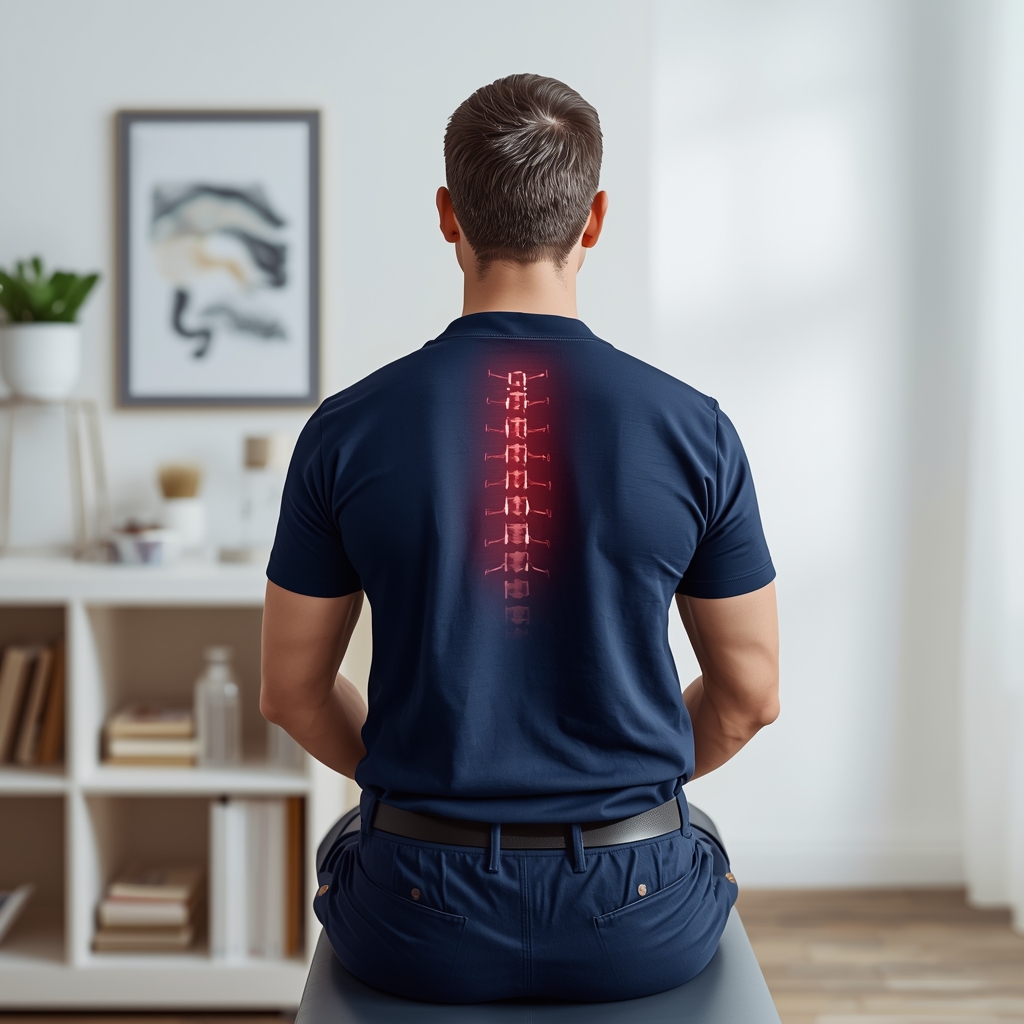
Understanding Post-Concussion Syndrome and Chiropractic Care
Post-concussion syndrome (PCS) occurs when symptoms like headaches, dizziness, and cognitive difficulties persist after a mild traumatic brain injury. While traditional treatments focus on rest and symptom management, chiropractic care offers an alternative approach by addressing potential spinal misalignments that may contribute to ongoing issues. Spinal manipulation, a core chiropractic technique, aims to restore proper biomechanics and nerve function, which could indirectly support recovery. However, it is essential to recognize that PCS is complex, and chiropractic interventions should be part of a broader, multidisciplinary strategy. Patients should consult qualified professionals to determine if spinal adjustments are appropriate for their specific condition.
How Spinal Manipulation May Aid Recovery
Spinal manipulation involves applying controlled force to joints to improve mobility and reduce nerve irritation. In PCS, this technique may help alleviate cervical spine dysfunction, which is common after head trauma. By restoring proper alignment, chiropractors aim to reduce tension in the neck and upper back, potentially easing symptoms like headaches and vertigo. Additionally, spinal adjustments may enhance blood flow and reduce inflammation, supporting the body’s natural healing processes. While the exact mechanisms are not fully understood, many practitioners believe that addressing spinal subluxations can improve neurological communication, which may aid in recovery. However, these effects remain areas of ongoing research and should be discussed with a healthcare provider.
Common Protocols for Spinal Manipulation in PCS
Chiropractors use various techniques to address PCS, with the choice often depending on the patient’s symptoms and medical history. The diversified technique, involving manual thrusts to specific joints, is frequently used to correct misalignments. The activator method, which uses a handheld instrument, offers a gentler alternative for sensitive patients. Upper cervical adjustments focus on the neck’s top vertebrae, which may influence brainstem function. Some practitioners incorporate soft tissue therapies or rehabilitative exercises to complement spinal work. Protocols are typically tailored to the individual, with sessions spaced according to the patient’s progress. It is crucial to ensure that these interventions are performed by licensed professionals experienced in treating post-concussion cases.
Evidence and Research on Spinal Manipulation for PCS
Research on spinal manipulation for post-concussion syndrome is limited, but some studies suggest potential benefits. A 2019 review noted that spinal adjustments may help reduce symptoms like dizziness and neck pain in patients with PCS, though more rigorous trials are needed. Observational reports from chiropractic clinics indicate that many patients experience improved mobility and reduced discomfort after treatment. However, these findings are not universally accepted, and the medical community remains divided on the efficacy of chiropractic care for brain-related injuries. Patients should approach spinal manipulation as a complementary option rather than a primary treatment. Ongoing research may provide clearer guidelines, but for now, decisions should be made in consultation with both chiropractic and medical professionals.
Safety Considerations and Professional Guidance
While spinal manipulation is generally safe when performed by a qualified chiropractor, it carries risks, especially after head injuries. Patients with PCS should avoid high-velocity adjustments that could exacerbate symptoms. A thorough evaluation, including a detailed medical history and physical exam, is essential to identify contraindications. Chiropractors must exercise caution to prevent unnecessary strain on the cervical spine. Additionally, PCS often involves complex neurological and vestibular components, requiring coordination with other healthcare providers. Patients should communicate openly with their chiropractor about their symptoms and any concurrent treatments. Safety remains paramount, and adjustments should be tailored to the individual’s tolerance and recovery stage.
Integrating Spinal Manipulation with Other Therapies
Effective PCS recovery often requires a multifaceted approach, and spinal manipulation can complement other therapies. For instance, vestibular rehabilitation exercises may address balance issues, while cognitive behavioral therapy can manage emotional symptoms. Physical therapy can strengthen neck muscles, and chiropractic adjustments may enhance overall spinal function. Nutritional support and stress management techniques also play roles in recovery. Chiropractors may collaborate with neurologists, physical therapists, and other specialists to create a cohesive plan. Patients should prioritize communication among all providers to ensure treatments align and avoid conflicts. By integrating spinal manipulation with evidence-based strategies, individuals with PCS may achieve more comprehensive and sustainable relief.












