
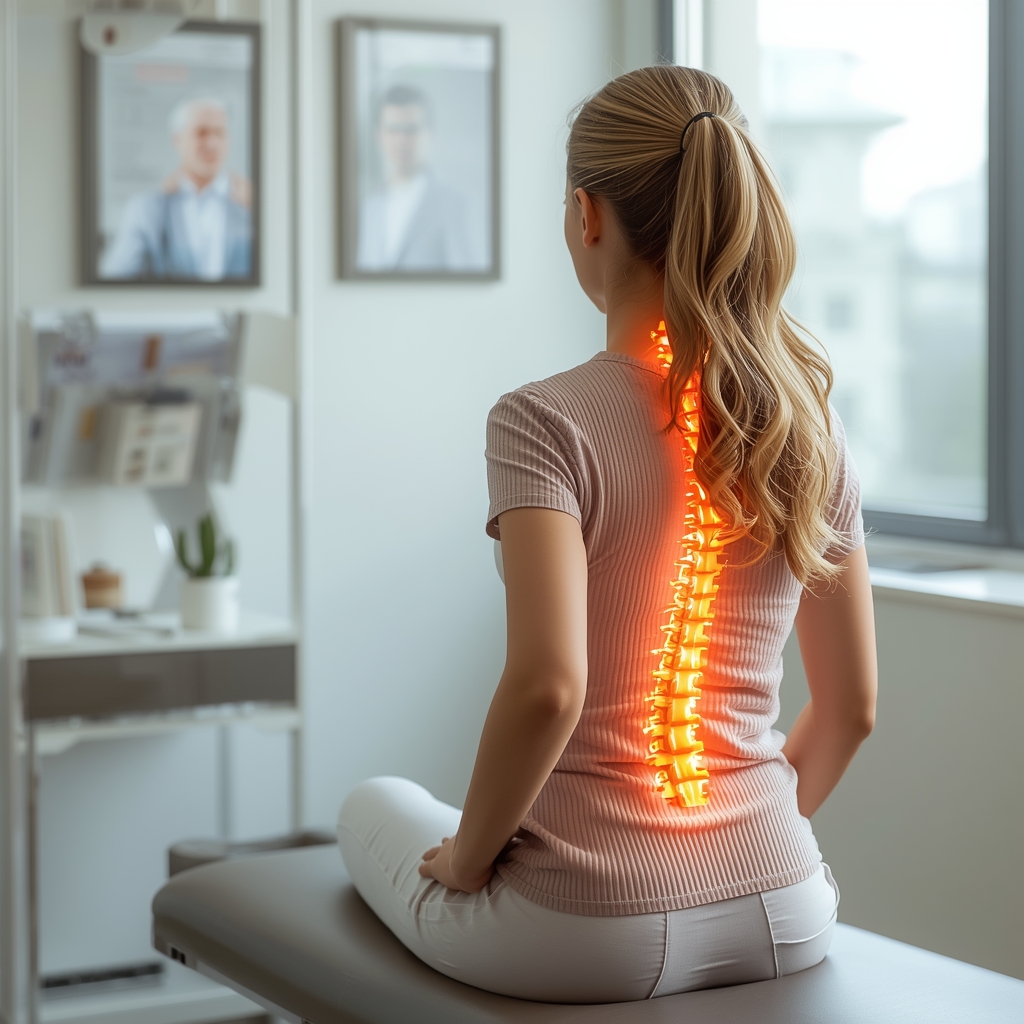
Understanding Adolescent Idiopathic Scoliosis
Adolescent idiopathic scoliosis (AIS) is a sideways curvature of the spine that typically develops during the growth spurt of puberty. While the exact cause remains unknown, it affects approximately 2-3% of adolescents. Bracing is a common intervention for moderate cases, but some patients and families seek non-bracing alternatives. Chiropractic care offers a holistic approach, focusing on spinal alignment, muscle balance, and nervous system function. This article explores techniques that may help manage AIS without bracing, emphasizing the importance of personalized care and collaboration with healthcare providers.
Spinal Adjustments and Manual Techniques
Spinal adjustments, a cornerstone of chiropractic care, aim to correct misalignments (subluxations) that may contribute to spinal curvature. Techniques like the Diversified or Gonstead methods involve precise, controlled forces to restore proper joint function. While not a substitute for medical evaluation, these adjustments may help improve posture and reduce compensatory strain on the spine. By addressing biomechanical imbalances, chiropractors can support the body’s natural ability to maintain alignment. Regular sessions may also enhance mobility and alleviate associated discomfort, though outcomes vary based on the individual’s condition and commitment to care.
Corrective Exercises and Posture Training
Customized corrective exercises are often integrated into chiropractic care for AIS. These may include core-strengthening routines, flexibility drills, and postural retraining to counteract asymmetries. Exercises like the Schroth method or Pilates-based movements target specific muscle groups to promote balanced spinal support. Posture training helps patients develop awareness of their alignment during daily activities, reducing strain on the spine. While research on exercise efficacy for AIS is evolving, many practitioners report improved stability and reduced progression when combined with manual therapies. A chiropractor can tailor these strategies to the patient’s unique needs and growth patterns.
Soft Tissue Therapy and Myofascial Release
Soft tissue therapies, such as massage or myofascial release, address muscle tension and restrictions that may exacerbate spinal curvature. Tight or overactive muscles on one side of the spine can pull the vertebrae out of alignment, while weak muscles fail to provide adequate support. Techniques like Active Release Technique (ART) or Graston may help break down adhesions and restore muscle function. By improving tissue elasticity and circulation, these therapies can complement spinal adjustments and enhance overall mobility. Patients often report reduced pain and improved comfort, though results depend on consistent treatment and adherence to home care recommendations.
Preventing Progression Through Regular Care
Consistent chiropractic care may play a role in monitoring and potentially slowing the progression of AIS. Regular checkups allow practitioners to track changes in spinal curvature and adjust treatment plans accordingly. While no single technique guarantees prevention, a combination of manual adjustments, exercises, and lifestyle guidance can support spinal stability. Chiropractors may also address related issues like nerve irritation or postural imbalances that could accelerate curvature. It’s important to note that AIS requires ongoing evaluation by a qualified healthcare provider, and chiropractic care should be part of a broader, multidisciplinary approach.
Collaborative Care and Individualized Plans
Managing AIS without bracing often involves a collaborative approach, combining chiropractic care with other therapies. A chiropractor may work alongside physical therapists, orthopedic specialists, or orthotists to create a comprehensive plan. Individualized care considers factors like the severity of the curve, the patient’s growth stage, and their overall health. While some patients find relief through chiropractic interventions, others may benefit from a hybrid strategy. Open communication with healthcare providers ensures that all options are explored safely. Ultimately, the goal is to support the patient’s quality of life while minimizing the risk of spinal deformity progression.














