
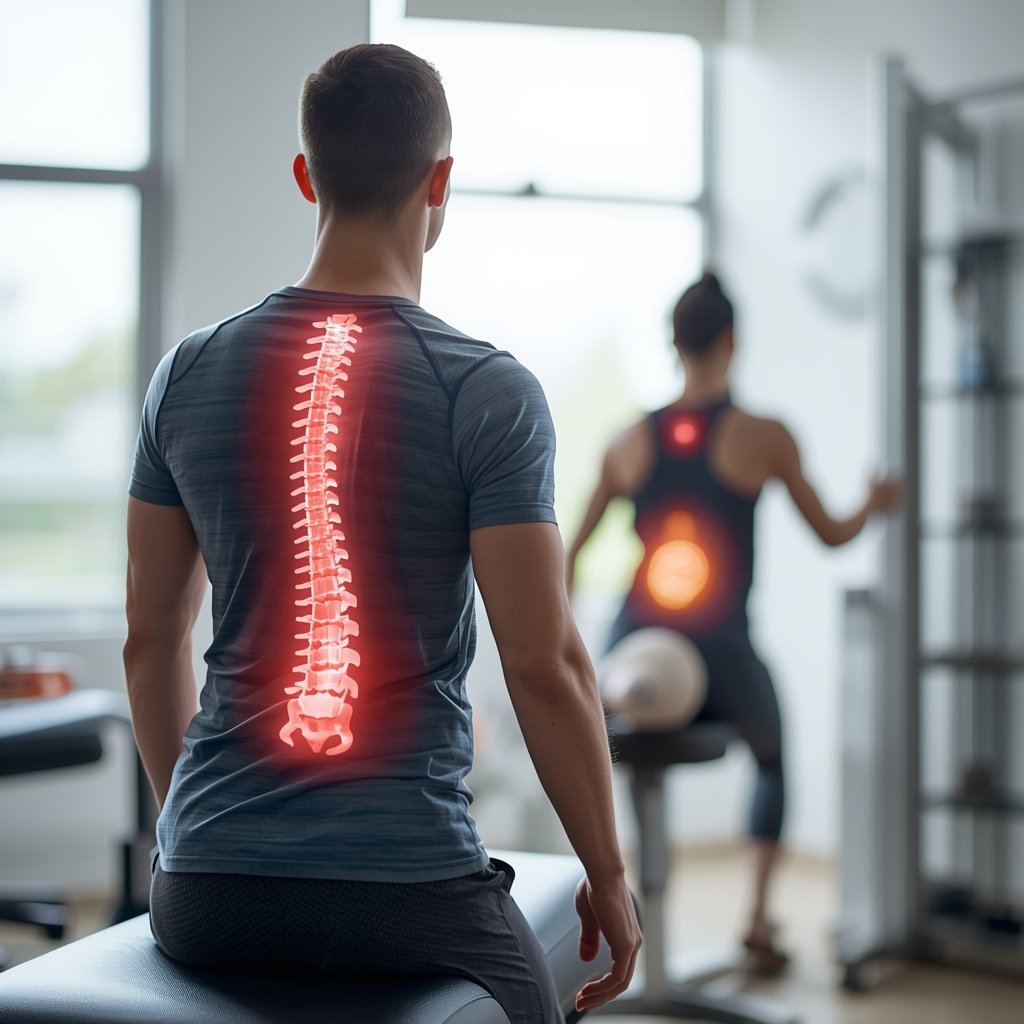
Understanding Herniated Discs in Athletes
Herniated discs occur when the soft, gel-like center of a spinal disc pushes through a crack in the outer layer, potentially irritating nearby nerves. Athletes, due to their high-impact activities and repetitive motions, are particularly susceptible to this condition. Sports like weightlifting, football, and gymnastics place significant stress on the spine, increasing the risk of disc damage. While surgery is an option, many athletes seek non-surgical chiropractic care to alleviate pain and restore function. This approach focuses on reducing pressure on the disc, improving mobility, and addressing underlying musculoskeletal imbalances. By prioritizing conservative treatments, athletes can often avoid invasive procedures and return to their sport more quickly. However, effective care requires a tailored strategy that considers the athlete’s specific sport, injury history, and recovery goals.
Non-Surgical Chiropractic Techniques for Disc Relief
Chiropractors use a variety of non-surgical methods to address herniated discs, starting with spinal adjustments. These precise manipulations aim to realign the vertebrae, reducing pressure on the affected disc and nerves. Decompression therapy is another key technique, involving gentle traction to create space between the discs and promote rehydration of the spinal structures. This can ease pain and encourage natural healing. Athletes often benefit from combining these methods with soft tissue therapies, such as Active Release Technique (ART), which targets tight muscles and fascia contributing to disc pressure. By addressing both structural and muscular components, chiropractors help athletes manage symptoms and improve overall spinal health. These approaches are typically part of a broader care plan designed to support long-term recovery and performance.
Soft Tissue Therapies and Muscle Balance
Soft tissue therapies play a critical role in treating herniated discs by addressing muscle imbalances and tension that exacerbate spinal issues. Techniques like Graston Technique and dry needling help break down scar tissue and restore normal muscle function, reducing strain on the discs. For athletes, maintaining muscle flexibility and strength is essential, as tight or weak muscles can worsen disc pressure during physical activity. Chiropractors may also use myofascial release to alleviate pain and improve range of motion. These therapies work synergistically with spinal adjustments to create a more stable and resilient musculoskeletal system. By prioritizing soft tissue health, athletes can enhance their recovery and reduce the likelihood of future disc-related injuries. Regular sessions can also prevent compensatory movement patterns that might lead to recurring issues.
Corrective Exercises for Long-Term Recovery
Corrective exercises are a cornerstone of non-surgical chiropractic care for herniated discs, focusing on strengthening the core and improving posture. Athletes often develop muscular imbalances from repetitive motions, which can strain the spine and contribute to disc herniation. A chiropractor may prescribe specific exercises to target weak muscles, such as the transverse abdominis and glutes, while stretching tight areas like the hip flexors. These exercises not only support the spine but also enhance overall athletic performance. Consistency is key, as regular practice helps retrain the body’s movement patterns and reduce disc pressure. For athletes, integrating corrective exercises into their training routine can prevent future injuries and maintain spinal health. This proactive approach empowers patients to take an active role in their recovery and long-term wellness.
Preventing Recurrence Through Lifestyle Adjustments
Preventing herniated disc recurrence involves more than just in-office treatments; it requires lifestyle and behavioral changes. Athletes should focus on proper warm-up routines, ergonomic adjustments during training, and adequate rest between sessions. Chiropractors often advise on modifying high-impact activities to reduce spinal stress while maintaining fitness levels. Nutrition and hydration also play a role, as they support disc health and overall recovery. Regular chiropractic check-ups can monitor spinal alignment and address minor issues before they escalate. For athletes, maintaining a balanced approach to training and recovery is essential. By combining professional care with mindful habits, they can significantly lower their risk of future disc problems. These preventive measures ensure that athletes can continue their sport with minimal interruption.
Collaborating with a Qualified Chiropractor
Each athlete’s herniated disc case is unique, requiring a personalized treatment plan. A qualified chiropractor will conduct a thorough evaluation to determine the best combination of techniques, such as adjustments, decompression, and soft tissue work. Open communication between the patient and provider is crucial to address concerns and track progress. Athletes should also be aware that non-surgical care may need to be combined with other therapies, like physical therapy or massage, for optimal results. While chiropractic care can be highly effective, it’s important to consult with a licensed professional to ensure safety and appropriateness for the individual’s condition. By working closely with a chiropractor, athletes can develop a comprehensive strategy that supports both immediate relief and long-term spinal health.















