
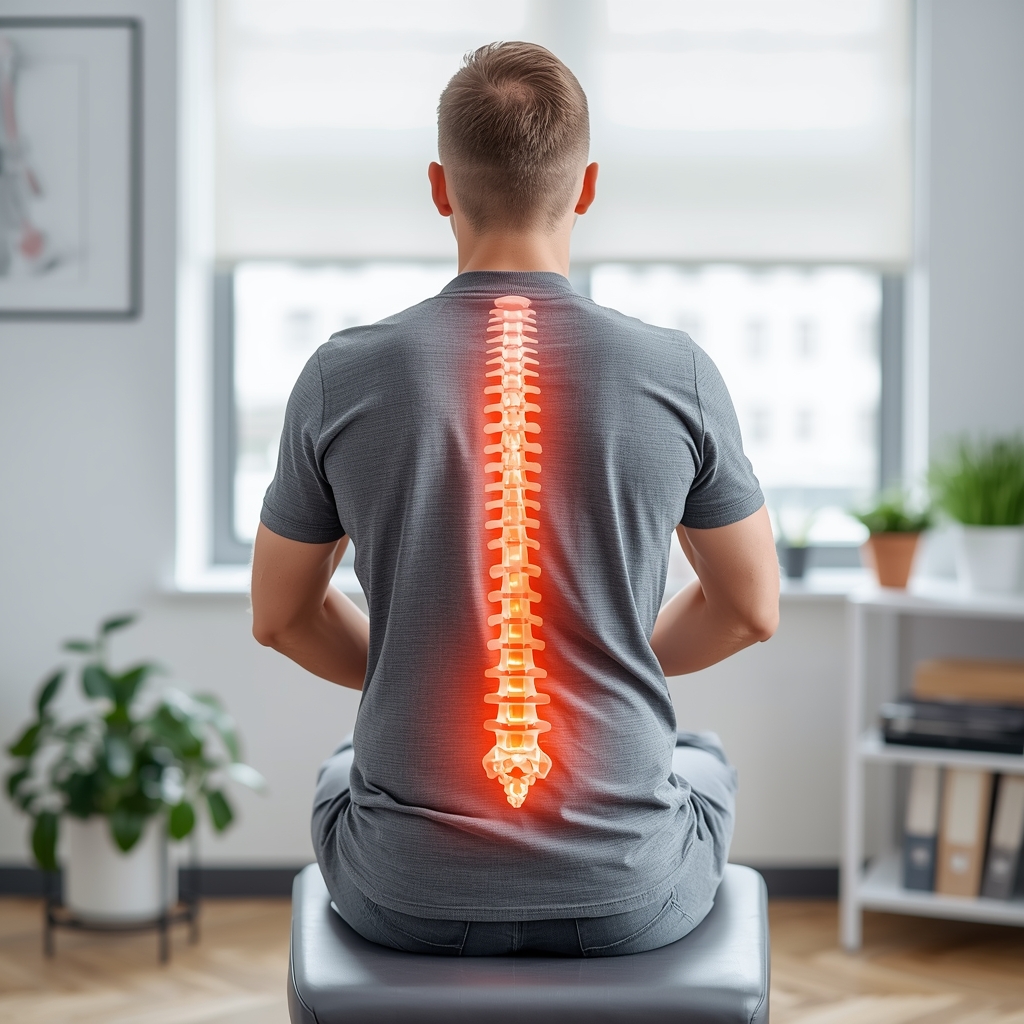
Understanding Conservative Chiropractic Approaches for Herniated Discs
For patients with herniated discs seeking to avoid surgery, conservative chiropractic care offers non-invasive options to manage pain and improve function. These techniques focus on reducing pressure on the affected disc, alleviating nerve irritation, and promoting natural healing. While results vary, many individuals find relief through a combination of spinal adjustments, decompression therapy, and targeted exercises. Chiropractors tailor treatments to each patient’s condition, emphasizing gradual progress and minimizing risks. It’s important to note that conservative methods are most effective when integrated with other supportive strategies, such as lifestyle modifications and physical therapy. Always consult a licensed chiropractor to determine the best approach for your specific situation.
Spinal Adjustments and Manipulation
Spinal adjustments, a cornerstone of chiropractic care, aim to restore proper alignment and mobility to the spine. For herniated discs, these techniques may help reduce pressure on spinal nerves and improve disc positioning. Adjustments are performed using controlled, precise forces to address misalignments (subluxations) that could contribute to pain or restricted movement. While some studies suggest adjustments can provide short-term relief, their long-term efficacy for herniated discs remains an area of ongoing research. Patients often report reduced pain and improved range of motion after sessions, though outcomes depend on factors like disc severity and overall health. A chiropractor will evaluate your condition to determine if adjustments are appropriate and safe for your specific case.
Decompression Therapy for Disc Relief
Spinal decompression therapy is a non-surgical option designed to relieve pressure on herniated discs by gently stretching the spine. This technique uses specialized equipment to create negative pressure within the disc, potentially encouraging bulging material to retract and reducing nerve compression. Many patients describe decompression as comfortable, with sessions typically lasting 15–30 minutes. It is often used in conjunction with other therapies, such as adjustments or soft tissue work, to maximize benefits. While some clinical studies highlight its potential for pain reduction, results can vary. It is most suitable for individuals with specific disc herniations and should be administered by a trained professional. Always discuss this option with your chiropractor to assess its suitability for your condition.
Soft Tissue Techniques and Muscle Balance
Soft tissue therapies, including Active Release Technique (ART) and Graston Technique, address muscle tension and scar tissue that may exacerbate disc-related pain. Herniated discs often lead to compensatory muscle tightness, which can worsen spinal instability and discomfort. These methods involve manual manipulation or specialized tools to break down adhesions and restore muscle flexibility. By improving muscle balance, patients may experience reduced strain on the spine and enhanced recovery. While not a direct treatment for the disc itself, soft tissue work supports overall spinal health. A chiropractor will assess your muscle condition to determine if these techniques are beneficial. They are typically part of a broader care plan, emphasizing gradual improvement over time.
Rehabilitation Exercises and Core Strengthening
Customized exercise programs play a vital role in conservative herniated disc management. Strengthening the core and stabilizing muscles helps reduce spinal load and prevent further disc damage. Exercises like pelvic tilts, bird-dogs, and planks are commonly recommended to improve posture and support the spine. A chiropractor or physical therapist may design a regimen tailored to your condition, focusing on low-impact movements to avoid aggravating the disc. Consistency is key, as regular practice can enhance mobility and decrease reliance on pain medications. It’s important to avoid high-impact or twisting motions that could worsen symptoms. Always follow professional guidance to ensure exercises are performed safely and effectively.
When to Consider Surgical Options
While conservative care is often the first line of treatment, surgery may be necessary if symptoms persist or worsen despite non-invasive efforts. Indicators for surgical consideration include severe nerve compression, progressive weakness, or loss of bowel/bladder control. Chiropractors typically refer patients to orthopedic specialists in such cases, emphasizing that surgery is a last resort. However, even after surgery, chiropractic care may support recovery by addressing post-operative spinal alignment and muscle function. The decision to proceed with surgery should involve a thorough discussion with medical professionals, weighing risks, benefits, and long-term outcomes. For most patients, conservative approaches remain the preferred path, but individual circumstances vary widely.














