
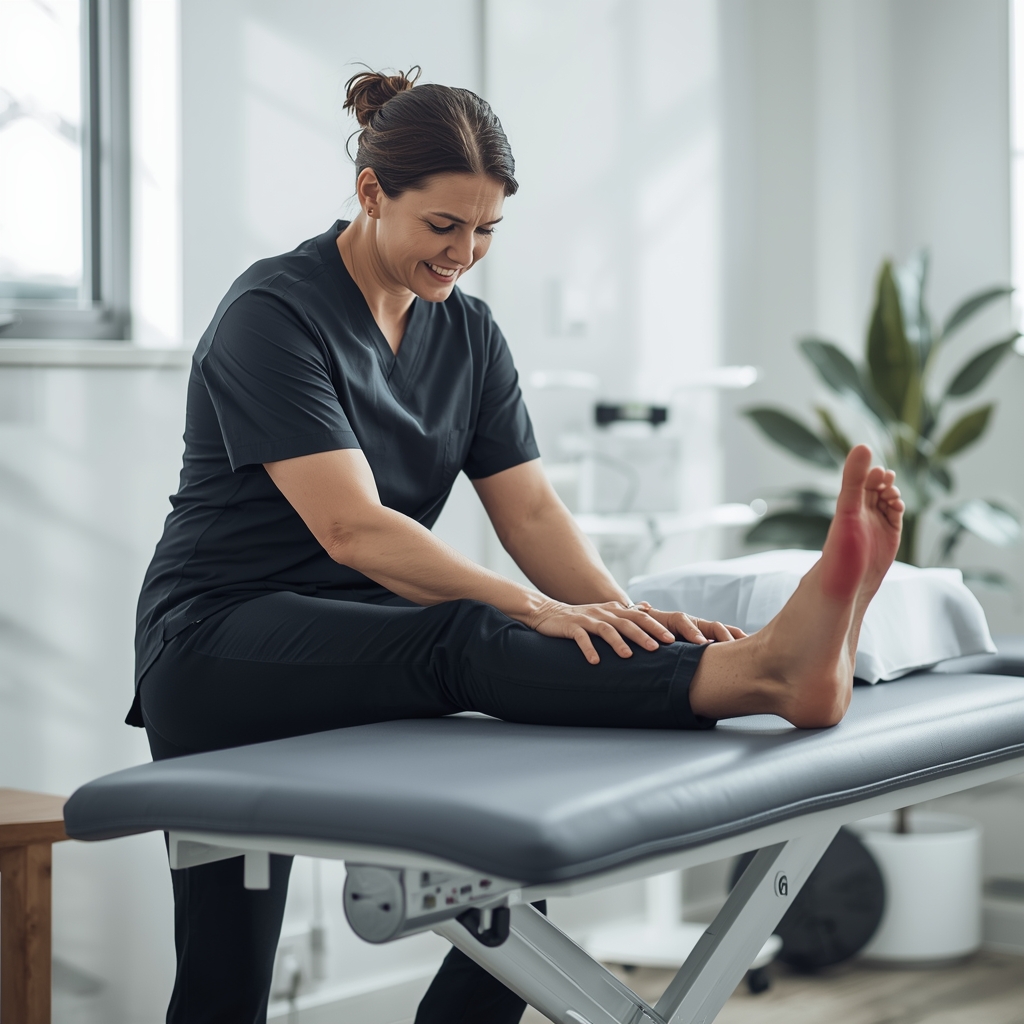
How Does Integrating Dry Needling With Chiropractic Care Improve Recovery for Patients With Chronic Plantar Fasciitis?
## Understanding Chronic Plantar Fasciitis and Its Challenges
Chronic plantar fasciitis is a persistent condition characterized by inflammation of the thick band of tissue connecting the heel bone to the toes. It often causes severe heel pain, particularly during the first steps in the morning or after prolonged activity. Traditional treatments like stretching, orthotics, and physical therapy may provide relief, but some patients struggle with long-term recovery. The complexity of this condition lies in its multifactorial nature, involving biomechanical imbalances, overuse, and sometimes systemic inflammation. For these cases, integrating complementary therapies like dry needling with chiropractic care offers a broader approach to address both symptoms and underlying causes.
## The Role of Dry Needling in Musculoskeletal Healing
Dry needling involves inserting thin needles into trigger points—tight, painful knots in muscles—to alleviate tension and promote healing. While not a substitute for chiropractic adjustments, it targets soft tissue restrictions that may contribute to plantar fasciitis. By reducing muscle tightness in the foot, calf, and lower leg, dry needling can improve flexibility and reduce strain on the plantar fascia. This therapy also stimulates the body’s natural pain-relieving mechanisms, such as endorphin release, which may enhance recovery. Many practitioners find it particularly useful for patients with chronic pain who have not responded well to conventional treatments.
## How Chiropractic Adjustments Address Underlying Issues
Chiropractic care focuses on aligning the spine and joints to optimize nervous system function and overall body mechanics. For plantar fasciitis, misalignments in the feet, ankles, or lower back can contribute to uneven weight distribution and increased stress on the plantar fascia. Chiropractors use manual adjustments to correct these imbalances, potentially reducing pain and improving mobility. By restoring proper biomechanics, adjustments may also prevent future flare-ups. This foundational approach complements dry needling by addressing structural factors that could otherwise hinder long-term recovery.
## Synergistic Benefits of Combining Dry Needling and Chiropractic Care
When used together, dry needling and chiropractic care create a comprehensive strategy for managing chronic plantar fasciitis. Dry needling targets muscle tension and pain, while chiropractic adjustments address joint and spinal misalignments. This dual approach can break the cycle of pain and dysfunction, allowing the body to heal more effectively. Patients often report faster relief and improved function compared to relying on a single method. Additionally, the combination may reduce the need for medications or invasive procedures, offering a safer, more holistic alternative. However, results vary, and individualized care from a qualified provider is essential to determine the best treatment plan.
## Enhancing Recovery Through a Holistic Approach
Integrating dry needling and chiropractic care into a broader wellness strategy can further support recovery. This may include lifestyle modifications, such as proper footwear, activity modification, and strengthening exercises. Chiropractors often guide patients on these aspects, ensuring a well-rounded approach. By addressing both physical and environmental factors, this holistic model aims to not only alleviate symptoms but also prevent recurrence. Patients are encouraged to maintain open communication with their care team to adjust the plan as needed. While this method shows promise, it is important to consult with a licensed professional to ensure safety and effectiveness.
## Consult a Qualified Chiropractor for Personalized Care
Every patient’s experience with chronic plantar fasciitis is unique, requiring tailored solutions. A chiropractor can assess individual needs and determine how dry needling might fit into a broader treatment plan. They will consider factors like pain severity, mobility limitations, and overall health to create an effective strategy. It is crucial to seek care from a licensed professional who has experience with both dry needling and musculoskeletal conditions. While this integrated approach may offer benefits, it should not replace conventional medical advice. Patients should discuss all treatment options with their healthcare provider to make informed decisions about their care.













