
Understanding Thoracic Outlet Syndrome and Nerve Compression
Thoracic Outlet Syndrome (TOS) occurs when nerves or blood vessels in the thoracic outlet region—between the neck and armpit—become compressed. This compression can lead to pain, numbness, and tingling in the arms and hands. Nerve function is often impaired due to restricted movement or pressure on the brachial plexus, a network of nerves that supplies the arms. Chiropractic care aims to alleviate these symptoms by addressing the root causes of nerve compression, such as misalignments or soft tissue restrictions. Understanding how TOS affects nerve pathways is key to developing targeted treatment strategies that restore normal function and reduce discomfort.
Spinal Adjustments Targeting the Cervical and Thoracic Spine
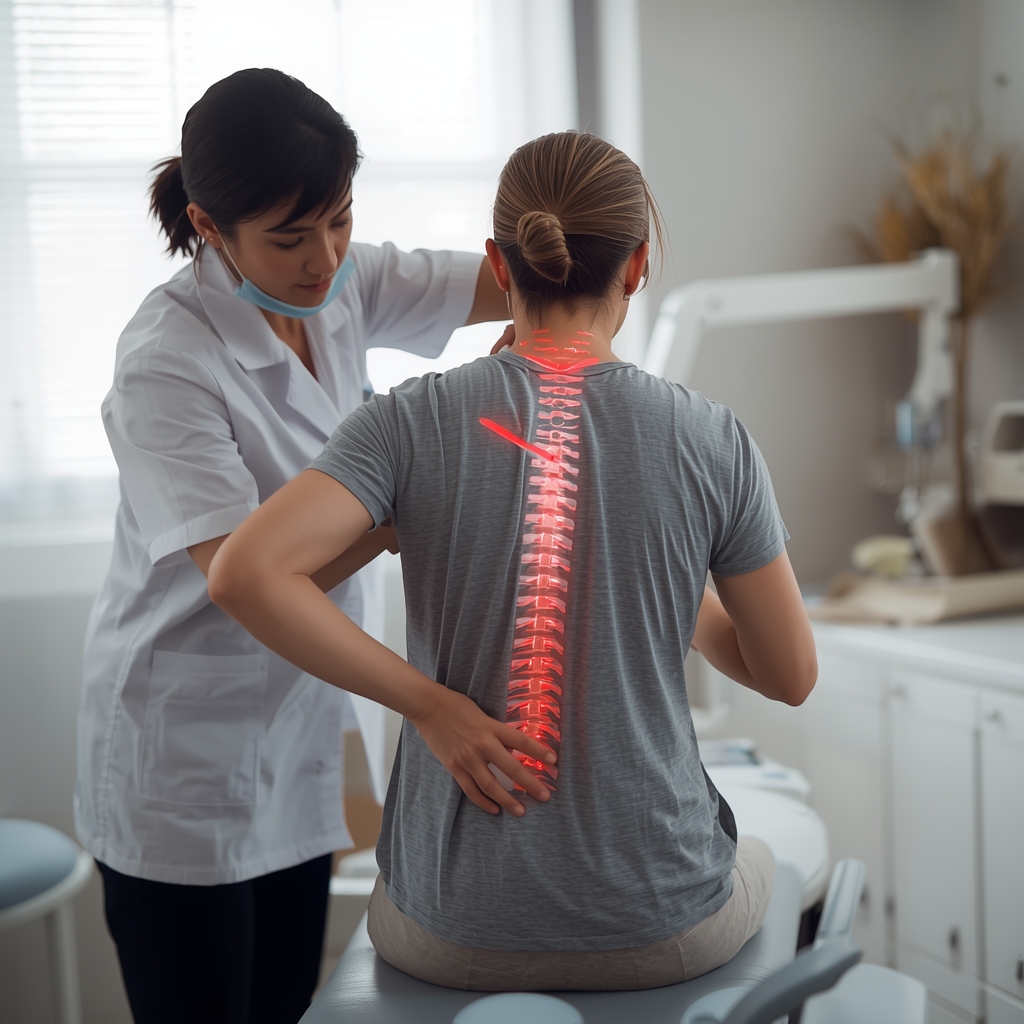
Chiropractic adjustments focus on realigning the cervical and thoracic spine to relieve pressure on nerves. By correcting subluxations—misalignments that interfere with nerve function—chiropractors can enhance communication between the nervous system and the body. These adjustments often target the upper thoracic vertebrae, which are closely linked to the brachial plexus. Proper alignment reduces mechanical stress on nerves, allowing them to function more efficiently. Many patients report improved range of motion and reduced pain after spinal adjustments, as the nervous system is no longer compromised by structural imbalances.
Soft Tissue Techniques to Alleviate Nerve Compression
Soft tissue therapies, such as myofascial release and trigger point therapy, address tight muscles that may compress nerves in the thoracic outlet. Techniques like massage or instrument-assisted soft tissue mobilization (IASTM) help relax overactive muscles, such as the scalenes or pectoralis minor, which are common culprits in TOS. By reducing muscle tension, these methods create more space for nerves to move freely, decreasing irritation and pain. Chiropractors often combine soft tissue work with spinal adjustments to achieve comprehensive relief. This dual approach not only eases immediate symptoms but also supports long-term nerve function by preventing recurring compression.
Active Release Technique (ART) for Myofascial Restrictions
Active Release Technique (ART) is a specialized method used to treat soft tissue injuries and myofascial restrictions. For TOS, ART targets tight or scarred tissues that restrict nerve movement, such as the scalene muscles or subclavian area. By applying precise pressure while the patient moves the affected limb, chiropractors break up adhesions and restore normal tissue function. This technique can significantly reduce nerve irritation and improve circulation, promoting faster recovery. Many practitioners find ART effective for patients with chronic TOS, as it addresses both structural and functional components of nerve compression.
Postural Corrections and Nerve Function Improvement
Poor posture, such as forward head positioning or rounded shoulders, can exacerbate TOS by compressing nerves in the thoracic outlet. Chiropractors often incorporate postural re-education into treatment plans, teaching patients how to maintain alignment that minimizes nerve stress. Correcting posture helps reduce muscle imbalances and prevents the thoracic outlet from narrowing. Over time, these adjustments can enhance nerve conduction and reduce symptoms. Patients are typically guided on ergonomic practices and exercises to reinforce proper posture, ensuring lasting benefits beyond in-office treatments.
Integrating Chiropractic Care with Other Therapies
Chiropractic care for TOS is often most effective when combined with other therapies, such as physical therapy or ergonomic adjustments. Chiropractors may collaborate with specialists to create a holistic treatment plan that addresses both structural and lifestyle factors. For example, physical therapy can strengthen weakened muscles, while ergonomic changes reduce daily strain on the thoracic outlet. This integrative approach ensures that nerve function is supported through multiple avenues. Patients are encouraged to discuss their specific needs with a qualified provider to determine the best combination of treatments for their condition.















